When you spend enough time observing nature, I mean really looking at it, suddenly, you begin to hear it too. The visible is apparent immediately, the audible comes second.
We love watching the sun rise or fall and love hearing the birds sing. Even inanimate aspects of nature keep us in awe, things like mountains, maybe because they’re so immovable and permanent.
I’ve been thinking lately about the secret music found in nature, and while it sounds a little kooky I’ve seen the notion echoed in two very different books. The first is A Subversive History of Music, by Ted Gioia. It’s wonderful and very wide-ranging! The second is a novel called The Wind From the Plain by the great Turkish writer, Yashar Kemal.
To what extent does nature have a secret life that can produce sounds, or music?
We’ve heard of the sounds of wind rustling through the trees, but that’s not only what I mean. The trees themselves vibrate! Let’s look at what two very different books say.
Two wonderful books, which overlap to a surprising degree
From Ted Gioia’s A Subversive History of Music: “From the start, waves of sound came not just from a primal explosion, but from the smallest particles of matter. In the heart of the atom we find vibrations of extraordinary speed—up to one hundred trillion times per second—creating a tone some twenty octaves above the range of our hearing” (page 11).
It’s not that a force like wind produces a sound by blowing through something else; that second thing itself contains its own innate sound. It doesn’t need to interact with, say, wind, water, or fire to produce a sound. Although, the sounds of the breeze through nature is indeed a common music. Many instruments people play rely on wind, too: recorders, saxophones, trumpets, etc.
It may seem less surprising, then, that later in the chapter Gioia describe Australian researcher Lynne Kelly learning to hear the wind through different types of trees, bushes, and even grasses while embedded with the Warlpiri tribe in Australia: “…when she began listening to vegetation, she found that the passing breeze imparted a distinctive aural soundscape to the trees around her. ‘The eucalypt to my left, the acacias in front, and the grasses to the right all made distinctly different sounds. I could not accurately convey these sounds in writing. In subsequent sessions, I’ve been able to distinguish between different species of eucalypt, the experience convinced me that the sound of plants, animals, moving water, rock types when struck and many other aspects of the environment can be taught through song in a way that is impossible in writing.’”
Cool! This makes me want to watch a documentar film I’ve been meaning to see but haven’t yet, The Secret Life of Plants, for which Stevie Wonder did the instrumental, atmospheric soundtrack. That documentary looks at plant consciousness, ecology, environmentalism. Leave it to a blind man to hear into this secret life. Maybe when what’s visible doesn’t jump out at you, your ear gets to work sooner.
But before getting sidetracked by my love Stevie Wonder, let’s get back to Yashar Kemal’s novel, The Wind from the Plain.
It’s about a remote mountain tribe’s arduous trek from the hills to the Anatolian plain, to pick cotton to make enough money to survive the harsh highland winter. Every year, Old Halil tells the village when the cotton is ripe for picking by using his keen senses to hear the wind. I was struck by some beautiful descriptions of nature that echoed this secret musical life of plants and even inanimate parts of the environment.
Here’s a great early passage that’s explicitly about how nature is a secret conduit for sound:
“Rustling sounds come from the steppes. Old Halil puts his ear down to the ground and listens to the murmur rising from deep deep down. The soil of the steppe is a good conductor. One can hear the creeping of ants in their heaps, the scurrying of birds in their holes. There is a bird of pure lustrous blue that makes its nest be delving deep into the cliff walls. One can hear it digging away in its tunnel. One can know when the roots of the whirling thistles are on the point of breaking by the special creaking noise they make. ‘There’s nothing like the earth of the steppe,’ says Old Halil. ‘Why, it’s better than the telegraph. Put your ear to it and you will hear all kinds of wonderful sounds. You will hear a shepherd piping at the other end of the world, you will hear a song that has never been sung before, laden with all the beauty of strange flowers. Yes, put your ear to the ground and hear the beat of horses’ hoofs a day’s journey off. But it’s not everyone who can hear the voice of the earth. It needs a good ear, a discerning ear like mine, you ignoramuses!’” (Page 18-19).
In Gioia’s book, researchers hear the music of the wind through the trees, bushes, and grass. In this Kemal passage, the vibrations travel through the earth itself and Halil hears the wind from the distant shepherd piping his song. The wind travels a longer distance. More than that, the songs are “laden with the beauty of strange flowers” in it, as if the wild flowers physically rooted between this shepherd and Old Halil are somehow converted into sound and become a part of the wind’s song. Something to hear, not just see–the flowers have a sound to them that fuses with the wind’s tune.
There’s a really cool kind of synesthesia going on! If you listen correctly, you can hear nature’s physical, inanimate parts, things normally only visible. Who knew!? This reminds me of the first Gioia excerpt, where the smallest particles of matter, in the heart of the atom, vibrate at speeds so extraordinary, the tone they create is twenty octaves beyond our range of our hearing.
There’s a mystical, spirutual quality to this music, to these sounds. We know about third-eye psychedelic, spiritual truths. I’m not sure if this secret aural world of nature sounds is a type of third-ear music, or merely what you can hear by listening carefully with your regular ol’ two ears.
There are many other extremely beautiful passages in Kemal that anthropomorphize nature. Mountains are awake and alive, the rocks themselves, not just the animals and plants on the mountains and in them. The soughing of the trees makes music. For all the beautiful lyrical nature passages, there’s also a lot of wonderful cursing and shit talking! It’s quite down to earth. In Old Halil’s case, literally.
Neither of these books are about nature, but nature and music come up together in both, almost accidentally, even if in distinctly different ways.
The “music” here is vibrations ringing through the natural world, but then again, that’s all music ever is. If you placed a chromatic guitar tuner on the soil to detect the rumbling of the shepherd’s piping song, or placed the tuner touching rustling grass, it would measure the frequency of the sound waves and on its screen would read a note, or a pitch: C#, Bb, or whatever. We tend to associate notes with the physical properties of musical instruments, like strings, frets, or keys on a keyboard. But that’s all music is: sounds, vibrations, notes…they’re all the same thing.
This all brings to mind the lyrics in one of my favourite Sun Ra songs, To Nature’s God. “Sometimes we do appreciate the work of nature’s god…lightening, sunshine, wind…the leaves on the trees.” Truly, everything comes back to Sun Ra eventually.
Ra, who titles his poetry collection “My Words Are Music,” and whose poems provide the lyrics to many of his songs. He also believed his clothing was music. Synesthesia is everywhere! Everything is music! Clothing, flowers, wind. You just need to know how to hear.
I get how this sounds a little kooky. I want to believe in it and train my ear to hear nature better. Tune up my hearing and be like Old Halil and listen with a good ear. “It’s not everyone can hear the voice of the earth. It needs a discerning ear like mine, you ignoramuses!”
It’s hard for a headline to be shocking in 2026, but Doug Ford making himself exempt from Freedom of Information requests genuinely stunned me. It’s so flagrant! MAGA coined “fake news,” and now Maple MAGA just eliminated the very bedrock of fact-finding for journalists.
The new law will mean that the records of Premier Doug Ford, his cabinet ministers, and parliamentary assistants will no longer be subject to freedom-of-information laws. The public could still file an FOI to obtain the records of public servants in government ministries. But who’d want to?
Ford waited until late last Friday afternoon to announce his government was “modernizing” FOI laws, and will do so retroactively. The records that journalists already filed FOIs for years ago would remain secret under the new law.
Doug Ford, pictured November 14, 2023.Credit: Office of the Lieutenant Governor of Ontario
This isn’t “modernization”…this is a cover-up.
I wrote here last week about Doug Ford losing a court battle initially launched in 2022 and resolved in December 2025 to keep his government records hidden from the public. The gist of that was simple: Ford tried claiming that releasing his phone records pertaining to government business would violate his personal privacy because he used his personal phone for government business, contrary to policy.
That’s why politicians get government-issued phones, to separate their personal and professional communications. Ford could have easily protected his personal privacy by complying with policy.
The Information and Privacy Commission rejected Ford’s argument. Ford planned to appeal, determined to keep his records secret, but now the appeal is moot because he’s simply rewriting privacy laws to put himself above releasing records. The IPC released a statement yesterday, refusing to beat around the bush: “By changing the law retroactively, the government’s message is plain: if oversight bodies get in the way, just change the rules.”
We wouldn’t know about the Greenbelt scandal without the diligent work of Emma McIntosh and Fatima Syed at the Narwhal, who filed FOIs and learned that senior Ford staffers were discussing Greenbelt changes long before the government made the policy public. The timeline and who knew what mattered. Now the RCMP is investigating whether Doug Ford tipped off friendly developers thanks to them.
It reeks of crime. The Bradford Bypass and Highway 413 are sketchy too.
The Greenbelt isn’t the only scandal where Ford insider’s phone records were shielded from scrutiny. Doug Ford’s chief of staff failed to disclose his phone records in conversations with high-level Metrolinx officials—they were gone, wiped, because he got a new personal phone, which he was using to conduct government business.
Noticing a pattern?
FOIs are how journalists and also everyday concerned citizens (which should be emphasized! Anybody can file an FOI request) get raw information, the politician’s own words. It’s one of the best tools for learning what’s discussed in backrooms, behind closed doors, where decisions get made.
In an era of distrust, division and rampant corruption, obliterating how residents and reporters get reliable facts is an open declaration of war against transparency. Indeed, Ford was blasted for what people are calling freedom from information from across the political spectrum. Naturally, the Liberals, NDP, and Greens criticized the move, but so did the Canadian Taxpayers Federation:
“Premier Doug Ford is trying to hide records from the public and roll back the ability of everyday taxpayers from holding the government accountable,” said Noah Jarvis CTF Ontario Director. “What is Ford and his cabinet trying to hide?”
For good measure, the Ford government didn’t just make himself exempt from FOIs, he also doubled the amount of time FOIs will take to process for the few people still subject to them, from 30 days to 60.
The calculation is simple: Ford must have anticipated that this move would draw widespread condemnation and fury, so what he’s hiding from the public would surely draw even more.
Last night, on March 16, Doug Ford gave a very different justification for increased secrecy: “We’ve got to protect ourselves against the communist Chinese that are infiltrating our country, Canada, the US, everything into our education system, into high tech companies.”
I’d love to be measured and sober here, but this is a buffoonish, laughably thin pretext for a Canadian premier to shroud himself in secrecy. It’s more than a little self-serving and convenient. For one thing, the US very much isn’t our country: the US is the “economic uncertainty” Ford is supposedly trying to “Protect Ontario” from. Even putting the xenophobic boogeyman aside, what would Chinese spies even hope to uncover from this provincial politician, how to sell beers in gas stations and not build transit?
Here’s one example of real things more FOIs could help shine a light on:
Mega donor De Gasperis’ TACC Group bought 60.5 acres of property across the street from the original Ontario Science Centre in March, 2019. Then, in April 2019, Doug Ford ripped up the Downtown Relief Line plans and replaced them with his signature Ontario Line, which featured a shiny new subway station for the Ontario Science Centre. Next, of course, Ford abruptly closed the Science Centre, leaving his developer friend with his own personal subway station.
Every neighbourhood deserves access to public transit, but surely the presence of the Ontario Science Centre impacted the decision to create an Ontario Science Centre subway station.
Now, I don’t mean to cast aspersions. Maybe De Gasperis got lucky here, like he did with the Greenbelt! But anybody looking to dig up what really happened and get beyond suspicions and partisan talking points would need FOIs, which Doug Ford just cancelled.
Ford is currently under ongoing criminal RCMP investigation. He shut down the legislature to avoid scrutiny as news broke of his Minister of Labour giving millions from the Skills Development Funds to underqualified personal friends instead of high-scoring applicants. So really, I can’t think of anybody who deserves the benefit of the doubt less than Doug Ford.
There are few better things a person can do for themselves than go for a walk. It’s great for the mind, body, and spirit, and it costs nothing.
In 2022 I started getting my 10,000 steps, which has been wonderful on different levels, but a funny thing happens when you use your phone to track your walking: the app has a way of penetrating into your mind, and soon you count the steps, not your phone. I half-joke that I don’t walk for the sake of my health, but to see the bar in the app turn green and all those balloons and confetti.
I know in my bones what 10,000 steps feels like. It’s about 94 minutes and just over 8 kilometres. I can tell at any point during my walking, with pretty uncanny accuracy, how many steps I’ve taken and how many there are still to go. I can look at a distance and know how many metres it is, and from there calculate how many steps it’ll take to walk.
This has taken some of the joy and whimsy out of my walking. At first, the whole point was to leave my home and go somewhere I’d never been. I’d find new laneways and quiet side-streets I’d otherwise never go. It was great! There was a sense of discovery. I didn’t have earbuds then and didn’t need music; I’d think my thoughts and being out in the world was stimulating enough.
Now I often listen to music but still, my mind’s step-calculator churns. “Drain walks” have become a new way to get some purpose from the steps.
A drain walk is a simple thing: you walk around your neighbourhood, and if you see a build-up of leaves blocking a sewer grate, you kick them away or down the drain. Then, when it rains, the water will drain properly into the sewer instead of build-up on the road where it can potentially flood basements, ruin somebody’s car battery, or just cause problems.
A drain walk is a great thing to do before it rains or during it. Walking 10,000 steps a day sometimes means walking in bad weather, and having motivation when the weather is ugly is welcome.
Personally, I get satisfaction on some OCD level from nudging a little blockage away so a tiny obstruction doesn’t prevent an entire system from working properly. The streets should have a good flow. Does this tiny civic mitzvah change the world? Nope. But it can only be a good thing. If this helps the city at all on some microscopic level, I like doing that and enjoy that it’s quiet. No spotlight.
I’d drain walk even if I was assured it provided zero help to anybody. I just find it satisfying. But on one early drain walk, a woman opened her second storey window to tell me, “clearing the grates is so important!” I felt seen which was nice but more than anything, it was so funny. I still laugh about it.
A couple days ago, the City of Toronto’s Twitter account posted this:
OK, City of Toronto admin. I was built for this!
When you’re on a drain walk, focus on the bottoms of hills, where the water pools. That said, you also want to clear the drains at the mid way point of the slope and at the top, so less water pools at the bottom. Without getting too much into the concept of psychogeography, having a little higher purpose to walk around your neighbourhood and connect with its topography will change how you move through and see it. You’ll appreciate a good drain placement and the hills and flats will jump out at you, as cyclists experience. At the very least, you’ll think about something other than your phone app’s step counter.
YouTube
I’m not the first person to do this, in fact, drain clearing comprises an entire YouTube genre.
The best drain clearing video I’ve ever seen is by a gentleman in the US, Maine, whose online handle is Post 10. His actions in this video, which at the time of writing has over 32 million views, were way more hardcore than anything I do. That man is out there with gear and a rake! His street flood was so bad cars were driving on the sidewalk! Madness. Early in the video he says, hilariously, “this is just like last year!” He’s a local just helping out, trying to be useful.
I find his earnestness so charming. “Some people just do not care” he says as cars drive by, splashing obliviously, comfortably sealed away from the problems car infrastructure cause (roads are what cause the flooding because they’re not porous) and the problems they cause the hero valiantly trying to fixing them.
I’m not sure if Post 10 started this genre, but others unclog drains on YouTube now and he’s a celeb in this world. The comment sections are filled with people marveling at the size of the whirlpools being sucked down the grate as flooded roads are restored and made safe again. People are shocked they watched these videos to the end, mesmerized.
For me, walking around looking for clogged drains is a way to be in the moment and escape the hold my phone has on my subconscious. There’s no bad reason to go for a walk, and while you’re out there, you may as well unclog a drain! You never know. Maybe you’ll do someone a solid and prevent a flood neither of you ever find out about because it never happens.
In June 2024, Doug Ford abruptly shuttered the Ontario Science Centre, a one-of-a-kind architectural gem and heritage building that delighted generations of kids. The pretext was extremely flimsy: Ford claimed the roof was structurally unsound and the $22-40 million to fix it wasn’t worth the cost.
Structural engineers disagreed. It could use some repairs, sure, but was designed to last 200 years. Toronto has experienced several massive snowfalls since, and of course the Science Centre roof has not collapsed. It was never about money.
Keep in mind, to quit the Beer Store license one year before it was already set to expire, letting private grocery stores and retailers sell beer and coolers one year sooner, Doug Ford spent $200-million in taxpayer dollars. Concerned citizens voluntarily ponied up the millions to fix the roof, but Ford wouldn’t accept the free money.
People are upset, livid, that Ford is demolishing the Science Centre.
He plans to build a new Science Centre on the waterfront for $1.04-billion, a way larger bill than repairing the old one cost. Note, the “0.4” after the billion is what the old Science Centre cost to fix. The new Science Centre will be half the size, and have none of the iconic original’s character, whose location mattered because the building was integrated beautifully into its ravine setting. Not only did it enrich an underserved area, the trees kissed the windows just so.
I suspect something much worse is afoot and people aren’t close to angry enough. Let’s pull back and look at what’s going on here.
Transit Hijacked
In 2019, Doug Ford rerouted the designs of the subway line Toronto was planning, which he dubbed the “Ontario Line,” changing the tracks to connect Ontario Place, at one end, to the Science Centre at the other. This seemed reasonable, even to Ford critics like myself: soon, students, parents, and science enthusiasts would have easy access to the Science Centre. That area of the city is hungry for infrastructure, and it was always sad public transit didn’t connect a gem like the Science Centre properly.
From 2026’s vantage, the start and end of this subway line are altogetherdifferent.
Now, Ford’s plans for “Ontario Place” include a private mega spa owned by Therme, an extremely dubious foreign company connected to Ford insiders. In 2024, Ontario’s auditor general found several glaring red flags in the procurement process Ford actively ignored, and once made public in a scathing New York Times article, minimized. Therme got a non-competitive secret 95-year-lease forcing taxpayers to pay for, among other things, a 5-storey mega parking lot on the waterfront that’ll cost roughly $600-million. The total bill will be billions, all for a spa. I could go on about Therme, but this is only one end of the new subway and not the focus of this write up.
The other is the Science Centre subway station, which was renamed “Don Valley Station” since Ford is demolishing the actual Science Centre. With the Science Centre gone, what’s still there?
Doug Ford mega-donor De Gasperis just so happens to have bought a 60-acre housing development across the street from the original Science Centre just before Ford intervened to change the subway route. You may remember De Gasperis from the Greenbelt Scandal the RCMP has, supposedly, been criminally investigating since October 2023.
Map of the old Science Centre and De Gasperis’ planned development: Credit Corruptario Twitter account
Now, De Gasperis’ development has its own personal subway stop right at its door, and bought the land right before the subway made its value soar. How convenient! The man sure keeps getting lucky.
If this was still 2018, and people knew and accepted that the Science Centre wouldn’t be there, would anyone recommend prioritizing redirecting the subway to that ravine? Or did Doug Ford merely use the Science Centre as a pretext to reroute the subway line to serve his mega donor? It certainly looks this way.
Of course the Science Centre roof is holding strong after several historic dumps of snow, while Doug Ford abruptly paused the legislature for three months, just as he was being grilled by the opposition and the Ontario Provincial Police for distributing tens of millions to undeserving friends and insiders from the $2.2-billion Skills Development Funds, essentially a slush fund.
Doug Ford’s Cover Up
Ford is taking extreme steps to avoid transparency and run a cover up. Non-Disclosure Agreements are keeping many particulars about the Ontario Place deal secret, which is very unusual and suspicious.
On January 5, 2026, an Ontario divisional court ruled Ford’s personal phone was subject to freedom of information laws when used for government or Cabinet business. Basically, government records are obviously supposed to be public, so instead of using his government phone for government business, Doug Ford used his personal phone, then tried claiming publicizing his government dealings would compromise his personal privacy.
Ford failed to comply with the law by using his private phone for public business, then tried using this failing to cover up his tracks. Pathetic.
Global News fought Ford on this in 2022. Ford responded by challenging this ruling too. This all looks like a cover up.
So where are we? Clearly I’m suspicious and this whole thing reeks, but what other explanation could there be but mega theft? That’s not a rhetorical question. If anybody reading this has a theory please let me know in the comments. Hey, I’d love to be wrong!
I recently read a wonderful Nilanjana Bhowmick essay defending reading culture in India, and while local issues about reading there are very different than in Toronto, much of it resonated. Nila was replying to a Guardian article, which claimed, “India hasn’t made the transition to a literate, book-reading class.” What a cheap shot. She had two main counterpoints.
The first was that India has over 120 languages and thousands of dialects, and reading works very differently there than in countries like the UK or Canada. Indians may read poetry in their mother tongue, policy in another language.
Canada has two official languages, even if there are 72 Indigenous languages and residents and immigrants here speak 400+. Still, French and especially English predominate.
But what I found very interesting was her distinction between a “reading culture” and a “reading class.” She cites US sociologist Wendy Griswold in saying a reading culture is one where people read to be “culturally competent and economically successful.” Basically, people read for practical reasons, to get cultural and professional information.
In contrast, a “reading class” is about a small group of people with the free time and education to read a lot for non-utilitarian reasons, for pleasure. Nila isn’t criticizing either mode, just making the distinction; Nila is a friend of mine, married to another friend, whose father and grandmother are iconic, revered novelists who each have enormous, passionate readerships.
Neither she nor I doubt reading is good, but I want to use her article as a jumping off point to discuss related things.
My cherished copies of some of Nila’s in-law’s books: Two Nabarun novels and short stories by, among other Bengalis, Mahasweta Devi.
Is Reading Privileged?
If reading is “privileged,” it’s because reading consumes a lot of free time. Reading a tome nobody’s talking about takes hours and mental energy people don’t have or don’t want to devote in our hurried, expensive world. In people’s small window of time, it’s understandable they want a break, maybe watch a popular movie or whatever’s streaming—something they can talk about with other people. All fair enough.
However let me take the opposite position, which I believe in.
Books are deeply affordable. A brand new book costs $20-45 dollars. You can buy used books for much less, $5-20, or even get them for free from the library. Copyrights expire after 95 years, so you can download old classic novels to an e-reader for free. In a world of $20 sandwiches, how can such a rich pleasure that’s almost free like reading be “privileged”?
The idea that reading Canon literature requires education can be true, but not necessarily. People who read highbrow stuff in university may be more likely to get into other heady stuff later, but it’s still just sitting on the shelf for everybody. That old classics cost virtually nothing is probably why they’re not advertised to people en masse! If you can have a beautiful, formative experience without spending money, why spend money on anything else?
And before radio, TV and the internet, people across classes commonly read what today would be considered rarified stuff, like Milton’s Paradise Lost or the Romantic poets. Digital technology probably shapes reading habits more than “education.” How can people not have enough free time to read in a world where, between work and recreation, the average Canadian spends 5.5 hours every day looking at a screen?
How Do You Measure Reading?
Kids naturally spend way less time on screens (they don’t have jobs), and I’m sure unpacking the data surrounding screen times would paint different pictures for different demographics, but the thrust remains: people spend a lot of free time on screens that could be spent in other ways. If books were as addictive and omnipresent as social media, I’m sure people wound find more time for reading them.
Nila makes the point that it’s difficult to measure how a society reads. How do you gauge it, exactly? What metric do you use? English books sales? Book fair attendance?
Reading is such a personal, esoteric thing that defies easy quantification. Measuring sales isn’t the same as measuring reading. If a person buys a book they never open, that will register in economic data about book sales, but if a person borrows a book that changes their life, that won’t show up in any stats. Two of my favourite books I paid $1 each for, one from a book sale at my local bank (Barney’s Version), the other at an antiquarian book store’s closing sale (Divided Soul: The Life of Gogol).
All I know is that reading is rightfully and universally considered one of the most beautiful, important things a person can do. Whatever the book. “Critical thinking” is supposedly universally valued too, so it’s funny to have to defend the very idea of reading, or a certain type of reading.
Everybody knows reading to children is crucial to their development and can only be a great thing to do. I get why reading is “privileged” as you get older and responsibilities grow, but reading doesn’t stop being wonderful. If it’s a privilege, it’s certainly not a hollow or bad one. May we all enjoy such privilege in life!
It’s hard not to think that if Big Business profited from people reading voraciously, reading would be talked about and marketed in a way it currently isn’t. Today, luxury consists of comfortable travel to posh places, exclusive gourmet dining, couture or designer clothes, luxury cars. People are supposed to aspire to these things, and be seen consuming them, if not in real life then on social media.
There are even lesser tiers of expensive things marketed as less hollow “lifestyle” products that people “deserve” because they’re “worth it.” Skin creams, spa treatments, branded accessories, premium home goods. You know.
My cherished copies of Nila’s wonderful books and her husband T’s debutfiction.
Everybody deserves to read, too, but that’s seldom on these lists! Read widely, not just the latest best sellers, which sometimes are promoted. Reading is pushed as something you do on a beach vacation—you get the free time to read, but only after paying for flights and hotels. In a money hungry world, the only real currency there is or ever will be is time.
“Performative Reading”
I don’t know how saturated in online discourse you need to be to have encountered the term “performative reading,” but apparently that’s when a person goes to a bar, coffee shop, public transit or any public place and reads a book they want to be seen reading, supposedly to signal what kind of person they are or aspire to be.
I hate this notion for several reasons.
First, on a basic level, fuck off. That argument alone is enough for me. People can do what they want without concealing themselves at home. It’s absurd to think otherwise. I don’t want to live in a world that automaticaly attaches that kind of hollow consumer subtext to every human behaviour and activity.
But even to play that game, isn’t signalling who you are by your consumption patterns supposedly the entire basis of our society? People work for years to afford a certain kind home, a certain kind of car, certain kinds of clothes, and that’s fine, but…reading a book in public somehow crosses a line?
Again, it’s hard not to notice that we accept or even praise consumption patterns that benefit industry, and mock what don’t. Hopefully I’m having a one-sided argument aloud with myself here (I do that sometimes), and we all agree the idea of “performative reading” is not real or that it’s dumb. That’d be lovely.
Nila concludes that Indians read in ways that suit them, given the economic conditions they live under. I’m sure she’d agree that if reading is a privilege, it’s one we should all enjoy and be given space to enjoy. Those of the reading class shouldn’t judge reading cultures for being dumb unsophisticated philistines because maybe they haven’t read the Canon, just like those in reading cultures shouldn’t judge those in the reading class for being snobs or dorks with too much spare time on their hands.
All reading is good and we all need to chill out, judge less and read more.
Before Black History month ends, I’d like to celebrate it by describing some of the Black musicians whose music has meant a lot to me. The idea to write this came weeks ago, then the holiday came up so I thought, why not get it done before February is over.
If I look back on my life and divide it into chapters, the headings would be musicians. Many Black. This music means a lot to me.
Some of my beloveds. Note the signatures on the De La Soul album cover. Dave signed the inside, too. RIP!
I’m not an expert on Black music but I know what I love. Here it is, in rough order of when I listened to it:
Childhood
I used to fall asleep to an MC Hammer tape, a little cassette deck beside my bed. Obviously Can’t Touch This was a jam, but I loved ballads like “Have You Seen Her?” too. He was on the original Ninja Turtles soundtrack, so I felt very close to MC Hammer.
Kriss Kross was big! I had no idea who Jermaine Dupri was then, but “Jump” is still a killer beat. It really is, play it now, I dare you. For Music Day at school in 1993, kids wore their clothes backwards. “I Missed The Bus” was another great track whose chorus is still with me.
One day, I found a Maestro Fresh Wes CD in the snow, dried it off and lo and behold, I was listening to a Toronto legend.
I heard Baby Got Back on a school bus, but didn’t know what the song was called or who it was by (Sir Mix a Lot). I loved it! I wanted to get the tape, but you couldn’t use Google to find out who sang it. At HMV I described the tune to the employee, who tried their best to guess what song meant, but got it wrong, instead recommending K7, an album which turned out to be very great—Swing Batta Swing! My mom and I listened to that a lot in the car, I’m not sure what she thought of it.
A lot of dance music is by Black artists and I had Dance Mix 92, 93, and 94. You can pop any of those albums on and they still hit hard. I actually got into PM Dawn a few months ago out of nowhere, Set Adrift on Memory Bliss.
Adolescence
My Grateful Dead phase was largely white, but not entirely! Some of my favourite Jerry is Legion of Mary and Reconstruction, which both featured Merl Saunders, a Black organist who also played with Betty Davis. Paul Humphrey played drums with LoM, Gaylord Birch with Reconstruction.
These were Jerry’s jazzier side bands. In 2000, Merl played the Comfort Zone. I was front row wearing a t-shirt with a cartoon Jerry playing cards with some cartoon skeletons, with the lyrics to Deal on it…Merl saw, pointed to me and started playing Deal. I was in heaven.
I had a tape of Miles at the Fillmore, which I understood then to be music fans of improvisation should hear and know. I didn’t get it. Then, but more on that to come!
The Jerry Garcia Band’s backup singers, the “Jerryettes,” were Black women who added such a beautiful element, often a gospel touch…I read somewhere that Jerry wanted to kind of stop playing with the Grateful Dead in the 90s and focus on JGB, but too many people’s jobs depended on it. If there was any band I loved more than the Dead, it was JGB.
Teenage Years
My guitar teacher rightly said I needed to know real blues musicians. I enjoyed BB King and Muddy Waters, but Robert Johnson floored me. I had no idea how he played like that and sang. I too was alone on an acoustic, and the idea we held the same instrument in our hands but he produced that…years later, I got a book of his tabs, learned to tune my guitar in open tunings, and I sat in my room until I could do a few of his songs passably well. Probably the most rewarding playing music has ever felt. I had the Eric Clapton Unplugged album on tab too, and learned a lot from the way he played covers.
I read books about Robert Johnson, watched that Crossroads movie with Ralph Machio, got the Clapton cover album of Johnson tunes. He really is the roots of rock and roll. I listened to a lot of Son House, Mississippi John Hurt, and Big Bill Broonzy too.
When Grateful Dead stopped being the entire basis of my existence, I got into hip hop. De La Soul was my absolute favourite. Saturday floored me, 3 Feet High was so much fun, so clever, and the beats just hooked me. Their first four albums were sacred. AOI has grown on me a lot. I met De La Soul briefly after a concert they signed my 3 Feet High and Rising album, and later that night I met the man who became my brother in law. I love that I met De La and Brad on the same night, both family. I’ve seen De La 5 times.
Tribe is inseparable from De La, for me and really for everybody. Midnight Marauders is very fused mentally to cherished summers. Beats Rhymes and Life to house parties. I could go on forever about Tribe. I saw Phife (RIP) at the Comfort Zone too in 2000, that energy was impossible to describe and I’m so glad I got to see him, somehow in such a small basement club.
Hip hop meant a lot to me. Roots, Talib, Mos Def, Fugees, Digable Planets, Pharcyde, Common, Gang Starr (RIP Guru), Wu Tang, Biggie, Snoop, Jungle Brothers, Outkast, Arrested Development, Souls of Mischief, KRS One, Nas. Nothing obscure, but all wonderful stuff.
20s
Jimi Hendrix I also went nuts on. I loved him from the first note, from the Forest Gump and Wayne’s World soundtracks. I played Purple Haze at my guitar recital in grade 7. When I got older I dove into all his albums, every song I could find. The videos of him playing Hound Dog and Hear My Train a Comin’ on acoustic inspired me so, so much. The Mt Rushmore of rock and roll guitarists is Jimi’s face four times. It kills me that he died before he could make an album with Miles. RIP, Jimi!
Jazz took over my life the day I heard Charlie Parker. It was a relatively corny record I still love, Charlie Parker with Strings, the track Just Friends. His solo killed me and I can play the whole thing in my head to this day.
I was taking a guitar course with a jazz player who gave me a hard drive loaded with 30+ Charlie Parker albums, 40+ Miles Davis albums, 40+ John Coltrane, all the Mingus and Art Blakey too. I was floored! Whatever musical epiphanies I’ve had since, I doubt any bowled me over like Charlie Parker. Dizzy Gillespie was his twin giant. I read his memoir and he really had a hold of me. Dizzy’s playing and coolness are so timeless.
Coltrane too, holy. Sometimes I think my favourite musician of all time is Elvin Jones. His polyrhythms…it was like I had never heard a drummer before. I listened to a lot of Eric Dolphy. I went deep and nuts and to this day that music will always be religious to me. Not in a figurative, abstract or joking way either. If I put on Love Supreme or Live at the Village Vanguard, it’ll be alone, or in company but in appreciative silence, and if we do talk, it’s about the music. Anything else feels sacrosanct.
I love Grant Green’s playing, a guitar player who plays like a saxophonist. No bends, alto scoops on the strings. I read that he didn’t cut his guitar strings because he thought it improved his tone, he just let them dangle, so for years I did that too. Not sure it worked for my tone!
I loved early Miles, with Cannonball and Coltrane and Monk, and of course Parker, with Bud Powell, Duke Jordan, and Tommy Potter. 40s and 50s Miles. I needed to digest Miles from the start, and when I was ready for new sounds, Miles had the new direction ready. Mellow Cool jazz. Pretty lyrical ballads. The second quintet with Tony Williams was pure fire. Williams too was maybe my favourite musician and I couldn’t believe he joined as a 17 year old. I was maybe 22 when I got into him and felt old. He and some other kid in the band, Herbie Hancock. Miles Smiles is still an all time favourite album.
I also listened to a lot of Oscar Peterson, a Canadian legend in jazz, in music, and just in general. The Stratford concert from 1956 was my favourite. He played with Joe Pass, who I love deeply too. When Peterson died, I attended a free tribute at Roy Thomson Hall. Stevie Wonder couldn’t make it in person but sent a lovely video tribute. Herbie Hancock performed and I was so touched he came to honour Oscar, nevermind delighted to see a musician I also loved.
Amanda and I went to 2025 Montreal Jazz Fest and saw a performance honouring Peterson in what would have been his 100th birthday. Beautiful playing and just delightful. His daughter MCed and his dear friend and bandmate, Oliver Jones, performed wonderfully. Still got at it 91.
30s
I knew about Erykah Badu and D’Angelo for years, but wasn’t hungry for them earlier. When I lived in India, for whatever reason Badu really hit there. Suddenly I got what she was about and was hooked. Aside from the hippie soul aura and cool feminine energy, the musicianship was just so killer. The beats and the playing. I didn’t know about the “Soulquarians” even if I knew most of the musicians in them. I didn’t know who Thundercat was and didn’t know Badu also had Roy Hargrove and Roy Ayers on some tracks, but that made sense. Such raw emotions, no artifice, pure art. Her concert in TO months ago was simply astounding.
D’Angelo…I played him at house parties in New Delhi and…they didn’t really take to it. They preferred Bollywood or rock. But I needed him there. I’m not surprised he distanced himself from “neo-soul” and preferred simply “Black music” to describe his music. In India, where the musical soundscape is very different, Black music felt like home to me. Tablas are very cool instruments and there’s a million traditional types of Indian music I couldn’t begin to tell you about, but I yearned for D’Angelo and Badu often. Neil Young and The Band too, but those two a lot.
I also got into earlier soul music in my mid-30s. I have a few volumes of that Atlantic 7-disc box set. I loved the Dead Presidents soundtrack as a kid, but listened to more Isaac Hayes and, of course, James Brown. Staple Singers too. I reconnected with Lucy Pearl in a big way too. I liked them in high school but hearing them again was like seeing a good looking person you haven’t seen in decades, and somehow they look even younger and hotter. Ali Shadeed Muhammed, Raphael Saadiq, Dawn Robinson. I just read that D’Angelo was supposed to be in it, but he was too busy recording Voodoo. Fair enough!
Curtis Mayfield floored me too. The music had more songwriting than jazz, but the chops were, if not as loose and exploratory, tighter. I love both approaches but needed the tightness and arrangements. Today I have I think every Curtis Mayfield album but Superfly, many Impressions albums too. I got into early Curtis first, actually. I read Traveling Soul, written by Mayfield’s son. I was friends in high school with a pair of twins, rad dudes named Curtis and Miles. Their dad is a drummer and I get why he named them that.
Tim Maia became huge for me, a giant in Brazil’s music. Not obscure here exactly, but not a household name. He lived in Detroit before getting kicked out of the US for weed, and brought US soul sensibilities to Brazilian music. This is my understanding, anyway. He also fell into a cult for years called Racional–he only wore white clothing and strained his neck constantly looking up for aliens–in which he recorded his best music. Maia tried to get John Lennon into the cult by sending him a letter about it, and Lennon wrote back, simply, “I don’t understand Portuguese!”
I did a proper dive into Stevie Wonder’s golden era. I love those albums of course. Hotter Than July is outside that era but I love it too. On a cellular level that man’s body is made up of music notes. No matter how great you think he is, he’s better.
It occurred to me Ray Charles had a cool disco era. For years I looked for the 1980 album Brother Ray Is At It Again!, where he covers The Band’s classic song, Ophelia. Which is nice, because my dear Richard Manuel loved singing Ray’s songs and did them wonderfully. I had to order it from Florida. The record was $3 but shipping was $20. Amazing stuff. When the movie Ray came out I really fell in love with his music, too. Impossible to describe his greatness.
Herbie Hancock…I knew Headhunters as a teen and from his playing with Miles, but Thrust and Fat Albert Rotunda are very, very dear to me. Sly Stone I also listened to at different points when I was younger, both as a kid and teenager, but my deep dive was richer than I could have imagined. Reading his bio last year was beautiful and bittersweet, poignant.
Finally, I was ready for Miles’ 70s fusion and funk eras. In a Silent Way, Bitches Brew, On the Corner, but also Agharta and Pangaea. Live at Fillmore, east and west. Big Fun. Live Evil. I was ready for the music to revolve around groove, instead of soloists taking turns overtop of a rhythm section, even playing melody and rhythm together interchangeably. It wasn’t chaotic to me, it was even, in a way, more democratic or ethical—there was no hierarchy, with soloist on top, rhythm players below and subservient to the musician in the spotlight. Sometimes I wonder if changes to my politics mirrored changes in music. Probably!
In India I found Alice Coltrane, fitting because of her Eastern leanings. I love her! I joke that I used to think John Coltrane was the best musician in music history, now, I’m not sure he was the best musician in his marriage. Journey in Satchidananda and Ptah the El Daoud have some of the nicest sounds I’ve ever heard. I heard Turiya and Ramakrishna in Delhi and it’s just wave after wave of pure ethereal beauty.
Pharoah Saunders I also came to really love. Several abums. Thembi, but especially Karma. You can feel the philosophy and love in his playing. This kind of music, to me, transcends the physical instrument. It’s really special!
LA legend, DāM FunK, a producer, ambassador and a true curator of funk…he means the world to me. I got into him in Delhi, and he had a way of introducing me to decades-old music that felt very familiar and homey. In the way that a best friend laughing at something automatically makes it funnier, his approval of a tune is authoritative. He knows the coolest tracks, song I feel like I know, but have never heard before. I introduced a buddy to DāM FunK’s music and changed his life–we saw him together in Toronto years ago, a sacred day.
Nightmares On Wax, some of his DJ sets and albums like DJ Kicks have given me priceless moments. Actually, I learned about him in 2001 from the buddy I showed DāM FunK to.
I also fell in love with a contemporary singer-songwriter, Michael Kiwanuka. I have all his albums and saw him live twice. Getting to see him months before lockdown…many times I told myself, say what you will about all the fuckery of 2020, at least that didn’t get cancelled.
Kiwanuka really does have a foot in a lot of worlds. Beautiful acoustic guitar songs, crunchier rock tunes, hip hop production at times, strings. All with sensitive, emotional, raw lyrics sung tenderly, sweetly, and often with pain. When Amanda and I got married, our first song was Rest by Kiwanuka.
In my late 30s I had two major musical epiphanies:
Parliament Funkadelic
Like everyone, I had always known about Parliament Funkadelic. Their hits were enormous. Atomic Dog. Flashlight plays at Leaf games. They were in the movies PCU and even Good Burger. They were everywhere.
Sometimes you assume a band’s most famous songs are their best. Then you listen to a couple albums and think, OK those must be their best. For years I had their first self-titled album and One Nation Under a Groove. I loved them.
But one night in 2021 I put on a P Funk concert on YouTube, thinking I’d pass out to some tunes…I was up for 2 hours, jaw on the floor. It was the Houston Halloween 1978 concert and it blew my mind. I’m still not over it.
I went nuts for every single P Funk album. I listened to them one by one, certain whatever I had just listened to couldn’t be eclipsed. Their 10 year run in the 70s is unmatched. P Funk embodied the freedom of hippie psychedelia, rock and roll energy, the tightness of funk, and Black freedom in a political sense. They were serious but with a goofy exterior. Not militant, they were having a lot of fun. But they were so tight and disciplined amid the raunchy whacky collective.
Speaking of weddings, my wife and I walked back up the aisle to P Funk, Motor Booty Affair. I bonded with our wedding DJ over P Funk–we were supposed to talk for an hour or so pre-wedding about the music he’d play and not play for the party, but we mostly talked about P Funk. As an extremely nice gift, he gave me a beautiful OG pressing of Hardcore Jollies. I coudn’t believe it. Thanks, General Eclectic! Great album, especially the B side.
Suddenly I understood Bernie Worrell’s role with Talking Heads in Stop Making Sense, along with P Funk singers Lynn Mabry and Edna Holt. I also got into Brides of Funkenstein albums, with Dawn Silva. I realized a funny thing: every P Funk solo project also has more or less the entire band playing on it, so they’re all basically P Funk albums.
Biological Speculation is the kind of song you’d never guess they could write from their hits, but it’s top tier Funkadelic. I love My Girl, too, and that they were recorded in Toronto.
Me and an online buddy (who writes wonderfully about delicious, high-quality but affordable food in Toronto…read it for free) tried to get Toronto to rename a laneway off Parliament Street “Funkadelic Lane,” so we’d have a Parliament-Funkadelic intersection, but the city rejected it. Even though P Funk recorded here, and Cordell Mosson, George, Bootsy and Bernie lived here, and bought much of their iconic stage wardrobe on Yonge Street stores, P-Funk’s TO epicentre was adjudged too far away from the laneway on Parliament Street to warrant the name change. Mikey even got in touch with Prakash John, the P Funk bass player on America Eats Its Young and a TO music legend, to send a note to city hall to help it along and still, no. Dorks.
In the darkest hours of early pandemic, P Funk was for me pure sunlight. It changed my life and others. One day I called my old high school friend who I used to spend hours listening to Dead tapes with. He returned my call days later, wondering what made me phone him after years of not really speaking.
“I need to know, what do you think of Parliament Funkadelic?”
“Is that why you’re calling?” he asked, cracking up. It was! I assured him I didn’t care about anything going on in his personal or professional life, just this music. I told him P Funk was kind of like Black Grateful Dead, in that they’re both psychedelic bands, but rhythm plays the role in P Funk’s music that Jerry’s wandering guitar melodies do in GD. It’s an oversimplification, but anyway he came over a lot, it totally rekindled our friendship. He came to our wedding, where he met a really good friend of mine, and now they’ve been dating for over a year, so we can all hang and listen to music together. I love P Funk so much and P Funk is love.
Funkentelechy Versus the Placebo Syndrome is, for me, their best. George Clinton agrees. It’s maybe anybody’s best. I also love Clones of Dr Funkenstein. I have 20+ P Funk records. You won’t really appreciate their range unless you listen widely. They’re nasty rock and roll, doo wop, gospel (Glen Goinns, RIP), funk of course.
Their deep cuts will reward you. They tie up so much Black music that came before them, and launched what was to come. I doubt any band is sampled more in hip hop
Sun Ra
While my life has been a succession of musical phases, Sun Ra might really be the final one. Music’s final boss: The Arkestra. In the way part of me believed maybe Robert Johnson did make a deal with the devil, maybe Sun Ra truly is from Saturn.
P Funk salutes Sun Ra for getting to space before they did, calling him an “apostle.” I sense Ra’s having a moment now. Either that, or I see him everywhere because I’m newly attuned to his influence.
I heard of Ra from Grasshopper and listened to Jazz in Silhouette after finding a cheap repress. On Twitter one day in 2023 I heard the Arkestra was doing a free workshop in Regent Park. It was a mini concert. They explained the music of Ra and jazz history between songs. Their music, what they stood for and what they were…I’ll never forget it. Afterwards, the band was chilling in the lobby, talking with people over free samosas and other food. Next night they played a proper concert around the corner from me and I’ve never been the same since.
Nobody encompasses more moods, styles, and sounds than the Arkestra. Not just music genres, but sounds. Ra plays within and outside every type of music, experimenting with harmonies, rhythms, instrumentation, instruments, recording techniques.
He wrote charts for his hero Fletcher Henderson, so he knows classic jazz inside out. Sometimes his music is very accessible, sometimes not at all. Sometimes it’s too much for me! He has 200+ albums and the “out” playing isn’t always what I need, but sometimes the weather is bad, and that doesn’t make me love nature any less.
When Ra is lush and calm, it’s so serene and warm. He can be challenging and make me uncomfortable but still hold me in awe. There’s a lot of humour, love, deep wisdom. Daring, over decades he never played a note he didn’t feel, no matter how shockingly unconventional. The stage incorporated so many dimensions of not just music but art, with wild costumes, dance, crazy lighting and sometimes even pyrotechnics and controlled explosions, always in a DIY way they budgeted on a shoestring out of love. These dimensions could appeal to people outside the music, but they were never gimmicky, always one with the core of the band.
In a world where fake mimemetic hacks with no imagination or integrity are a dime a dozen, Ra embodies the ultimate antithesis of that. A real one. Coltrane and Miles will be listened to in hundreds of years from now. There will be Ra fans in the year 3,000. He’s already played Disco from that century in 1978!
Reading his song lyrics in poetry form reinforced for me how Ra’s words, philosophies, and music are one and the same
I read all the Ra books I can and have his collected poetry in a nice facisimile reprint I found. I’ve watched every doc I available and live performance on YouTube, spellbound. If you’re trying to listen to Ra and think it’s a bit much, and it can be adventurous and unnerving, one trick I’ve found helpful is to home in on one instrument. Some performances have a key which you mentally turn and suddenly they unlock and open up, and what sounded like cacophony or disordered noise has a secret structure that turns out to be extremely beautiful and ordered, or based on feel and spirit, rather than what can easily be transcribed on paper.
10,000 words on Ra wouldn’t be enough and this is getting long, so I’ll end here. Except to say I’m excited to see the new PBS documentary on Sun Ra. Also, here are some Ra recommendations for what can be a dizzying, intimidating band to check out:
I love the early “in” albums: Jazz In Silhouette, Supersonic Jazz, Jazz. The disco-ey funk classics that are most people’s entrypoint to Ra are truly outstanding, Lanquidity, Sleeping Beauty. These two are all-time favourites of mine. Haunting, shimmering, ethereal, and just so cool and gorgeous.
Also On Jupiter, Cosmos, Night of the Purple Moon, Planets of Life or Death Amiens ’73 (side A) are outstanding. Fate In a Pleasant Mood, Futuristic Sounds of Sun Ra, Mayan Temples, Blue Delight. Nuits de la Fondation vol 2 (side A), Of Mythic Worlds. Of course, Space is the Place, not just the famous title track but the B Side.
Nothing Is has some of my favourite moments of hard bop. John Gilmore is such a legend. The song To Nature’s God from the album Nidhamu, recorded in Egypt, is priceless to me. Marshall Allen’s work leading the Arkestra today, decades later, and releasing his first ever solo album, which is very beautiful, at the age of 101 is simply inspiring. Music isn’t just a thing to hear with this band, but a thing to do and be. Allen was in the US army band in WWII stationed in Europe, and he released that album in 2025.
Discipline 27-ii is perhaps my #1 ultimate Ra album. I love many of his albums…this one’s essential. Pan Afro is for me the perfect sweet spot of “in” and “out.” June Tyson is in amazing form. The B side is something everybody should experience in their life. I’ve listened to it over 100 times.
To wrap up this article, peace and love to all my cherished musicians and all of their fans, whatever skin colour. And also to all the many beautiful musicians I didn’t write about here. RIP to those who’ve passed, let’s celebrate the living legends now. My feeling is any time you’re engaging with a culture outside your own, you should show the respect, courtesy and appreciation you would when being welcomed inside another people’s temple, because that is in fact what’s going on. Happy Black History month! May this music live forever, I’m certain it will.
You already know the results of the 2016 US election but I promise you, my perspective on it was entirely different. Most North Americans don’t know what “demonetization” in India even was, which began that very night. These are really two interconnected stories, both of which were shocking.
In 2016, I was the lone North American on the WION web desk, so it fell to me to write about the US election for the site. The week leading up to the election, I volunteered to work the graveyard shift, 10pm-7am, to be in synch with North American time. 11pm Delhi time is 9:30am in North America. That way, the website would have news as it unfolded.
The evening of the US election, the entire team volunteered to stay up all night on the graveyard shift. As major as that US election was, that wasn’t the major news story of the evening: at around 9pm, without any warning, the Modi government announced that 87% of the paper bills in circulation would suddenly no longer be accepted as payment, starting at midnight. This was known as “demonetization.”
People’s cash wasn’t suddenly valueless, but they had to swap their old 500 ($10 Cdn, roughly) and 1,000 rupee notes ($20) to their bank, and if the total money was over a certain amount, explain how they got them. But people couldn’t use their old bills to make purchases.The government issued new 500 notes and phased out the 1,000 rupee bill altogether. 10, 20, 50, and 100 rupee notes would still be acceptable.
Nobody in a country of 1.3 billion people saw this coming! People panicked. A lot. Whatever the rules were for what to do next, they weren’t immediately clear to all. The justifications for such a massive, drastic policy also kept shifting in the days to come.
First, demonetization was to crack down on terrorism. Supposedly, terrorists would have all these old bills they couldn’t launder, couldn’t explain to a bank how they got them. Next, it became about cracking down on black money and tax avoidance. Shady industrialists were supposedly the target.
Then it became about transitioning people into using the banking system and digital payments. When Big Business comes to India for its enormous middle-class, they expected people to pay via tap, rather than submit crumpled rupee notes. Along these lines, in addition to a new 500 rupee bill, India issued a brand new note of a higher denomination, 2,000 rupees ($40 Canadian).
The web team’s all-nighter to cover the US election was thrown for a loop, as this mammoth national story overtook it. That wasn’t the last surprise of the evening.
So maybe around 6am, my editor and good buddy Tathagata and I went down to the caf to get the team some snacks. Of course there was a problem; we had invalid bills! Right.
We had been covering demonetization for hours, but what was happening didn’t really hit until we went to pay for something and it affected us. I scrounged up my last hundred rupee notes to buy some egg bhuji, shaking my head. Suddenly I was living in a very different world.
Then minutes later I got upstairs and they announced Trump won the election. Suddenly I was living in a very different world. Holy shit. This is 2026 now, we’ve all lived through some truly shocking events, but right then, I’ve never had the rug pulled out from under me like that. It was a double whammy, back to back shots, each punch seismic.
Colleagues wondered why I looked so devastated. I wasn’t crying, but I had been following Trump closely from the start of his campaign, and frankly you didn’t need to to know the world would never be the same again. Anybody could tell Trump was a cerified fascist just from the way he decorated his living room.
I couldn’t take it and left the building. I really couldn’t be there anymore, writing stories like things were normal. It had been the end of a very long week and I was heading into a couple days off and decided I absolutely needed to take them now.
Grim news aside, working from 5am-2pm in one rotation, then 2-11pm, only to work the graveyard shift will turn anybody’s circadian rhythm upside down at the best of times, especially because my friends and family back in Canada were 10.5 hours behind me at any given moment, adding another dimension of disorientation.
I needed to get away. As it happened, I had recently gone out with a sweet girl I met on Tinder who told me she also wanted to get away for a bit, to Ajmer and Pushkar, Rajasthan. It was the Camel Fair, an enormous annual festival where people from across India assemble with their livestock and camel decorations and much else. It was settled, we’d go together.
One practical question first though was, how to get money? India relied overwhelmingly on cash, which meant vendors couldn’t necessarily accept debit or credit card. I only had so much cash and getting more was the question of the day.
In the first days of demonetization, everybody was desperate for cash. No joke, people lined up for days at ATMs, there were reports of some people even dying right there in line because they had medical problems but couldn’t leave their spot–they needed money. It was desperate. You might wait for hours for an ATM to get cash, but the government limited how much you could withdraw at a time to 2,000 rupees. When an ATM did finally get cash, in places, the rush was like those old clips of Black Friday at the mall.
An Uber might be way more expensive than an auto rickshaw, but you could pay through the app, not cash. It was worth spending more money if it meant keeping cash on hand for essentials that required cash. This was a privileged position, a very rarified adjustment compared to what other people in India faced, but it’s what I was navigating.
Anyway, Gopika told me she was starting to kind of date somebody and was it OK if he came on the trip too? Sure, I told her I didn’t care. We had been on one date I enjoyed, but that was fine with me. When you’re working abroad it’s nice to hang with non-colleagues and get away from office gossip and shop talk, especially then. Companionship aside, it’s also nice to travel with people who speak the language and know the deal.
But when that dude found out I was coming too, he didn’t want to anymore, so in the end it was just the two of us.
First Escape: Rajasthan–Ajmer, Pushkar
I met her in Gurgaon, (“Gurugram” now, since Modi de-Islamified the names of Indian cities,) and we took an overnight bus to Ajmer. Walking around that place in the morning was wild! When you touch down in India, you equate the first place you land as “India” because it’s your first exposure to the country, but India’s impossibly vast, places are radically different from each other, and they’re all “India.”
Rajasthan was so arid, the animals felt closer in the streets and different. I didn’t realize that I had a grasp on what kind of cows Delhi had until I saw the strangeness of other cows and bulls here, and one really gnarly wild boar just walking around. It was November, so it wasn’t hot out. Winters in India are what summers are here, the pleasant time to be outside.
I also laughed seeing a dude wearing a “Bury Me In My Ones” t-shirt with a Nike Swoosh, which a curated vintage store here could sell for $100+. It’s hard to explain this and I don’t mean to sound judgey, but I sensed this fella was not a hip dude aware that he was rocking vintage 90s streetwear. I doubted that he knew what Air Force Ones were. He just had a killer North American t-shirt that somehow ended up in India, like a lot of clothes. Western clothing brands get recontextualized there in a way I really like. Once I saw a woman on the Delhi subway with a bag bearing Prada and Gucci labels.
Anyway I loved Ajmer and was quite in awe. We went to a famous, beautiful mosque. You feel the hum that comes with being in an old, sacred place where people do today what they’ve done for many years.
You don’t always need a detailed history of what you’re looking at it to feel this hum. I’m not excusing ignorance, just you’ll never understand everything when you travel, and succumbing to the pressure of trying to is futile. I’ve learned to just enjoy it without needing a tour guide type of explanation for it all. The musicians in the mosque playing the harmonium and percussions were really cool.
We got to Pushkar later that day and stayed at the Pink Floyd hotel. It was a rock and roll themed place with none of Delhi’s buttoned-up culture. Things were loose, very loose. I explained to the proprietor that because of demonetization, I didn’t have much cash, but I was on the lookout for more. “No problem,” he replied, “we’ve got lots of hash here, man.” That was like the one time in my life that really wasn’t what I meant.
We checked out the famous lake with god men and babas around. Just walking around there was like a miracle. So invigorating and stimulating. The markets were bustling, but there was also a real calm. The calm wasn’t entirely healthy: demonetization had put a damper on things. There were fewer camel merchants and business in general was slower than usual.
You see things that you just don’t see here. I probably saw 100 things that day that all seemed unforgettable, and they merge together and now I feel the impression they made, even if the particulars are foggy. But going to rooftop cafes for a cold beer, some nice food, and incredible views in every direction was great.
The next day we went on a brief camel ride through the nearby desert dunes. I had never been on a camel, and the clothing these camels wore was truly incredible. Vibrant and bold funky ass camels, cooler than that 90s rare gear copper! Gopika and I were having a really good time, just talking and stuff. If there was anywhere to get your mind off the rest of the world, it was here.
A carnival was in town with the Camel Fair. People selling wares, young girls tight-rope walking with bowls on their heads, that sort of thing. We went on a cool Ferris wheel. We smoked some hash and watched a really exuberant, short gentleman outside the circus tent dance and hype everybody up. Inside the tent was a sketchy, eyebrow raising performance.
You know those old roller coasters that aren’t particularly big or fast, but they’re scary because they’re old and rickety and may collapse at any second? That was the vibe of these daredevil carnies. Juggling fire was fine, but they balanced on bikes high up on small supports and did other jaw-dropping stunts without a net.
The scariest thing was the finale, a man throwing knives at either side of a blind-folded woman’s face, into a wooden board behind her. That cool thing where the knives whoosh and spin and become embedded in their targets mostly didn’t happen. Instead they hit with a clunk and fell to the floor. It didn’t inspire confidence and I was so relieved for that woman when it was over.
In a metaphor extremely on the nose, that threw in my face what I tried to forget, the roof of this crazy circus comprised entirely of upside down US flags. Honestly, what are the odds? The Pushkar Camel Fair circus may have been a bit dubious here and there, but it was America that was upside down.
That day in the market we had ran into a couple friends of mine from WION, Nagen and Ashish. Small world! They weren’t just work colleagues, they were with me in the early days before the station launched, and we’d go for beers together and hang outside work. They made documentaries and TV programs for WION. They both loved to laugh and had a good artistic and political bent. Great people to talk to and it was really nice to see them. It’s funny to think that if I hadn’t come all that way with Gopika, I still might not’ve been alone in the end.
Next day upon leaving, the hotel POS terminal was down. I tried to wire money to pay for our room but couldn’t online bank through my phone. Nobody had cash, the story across the country. I explained the situation to the gentleman and promised I’d pay him when I returned to Delhi, when I had my laptop and bank login info. Thankfully, after a while, he trusted me and that’s what I did.
Sunday night, we took an overnight bus back to Delhi and I returned in time for my Monday afternoon shift without missing a beat. True, Trump was slated to be president and Indians across the country were up in arms about demonetization, but the acute, crushing doom the immediate aftermath of that night was somewhat softened. Thankfully, instead of overwhelming me, it’s slowly rotted my brain every day since for the last decade.
As for demonetization, the uproar from different segments of Indian society was in stark contrast to my station’s all but official position: WION released a shameful TV commercial praising demonetization so gushingly, it would have been an embarrassing thing for the government to release, never mind a news station that was supposed to report objectively.
But then again, Zee Media had an ATM machine inside the security gates that only people with a media pass could withdraw cash from. Once when it was empty, I lined up for cash at an ATM near the office, open to the public, and the picture was very different. I waited for maybe two or three hours, and when the guy finally came to load it up with money, the pushing was real. Nobody got crushed, it wasn’t a herd, but it couldn’t have been easy for women, seniors, or infirm people.
Demonetization continued to ravage India and my privilege didn’t end. It got comically worse.
Second Escape: Himachal Pradesh–Malana, Challal, Kesol
The next week or so, I went on another trip with three good friends (Kandarp, Laden, Varnika, miss you all!) to the breathtaking Parvati Valley in Himachal Pradesh. To Kesol, Challal, and Malana, the latter a small remote village where the inhabitants believe they descend from Alexander the Great and don’t consider themselves Indians, really. They avoid touching any outsider, not even to exchange money, whether from India or anywhere else, not just with white people.
I was told their justice system works as follows: if two people have a dispute, the judge will instruct them to each poison their goat, and whoever’s dies first is in the wrong. To me, this is a smart way of avoiding litigation altogether; it’s a coin toss and your goat will die regardless, so figure it out on your own and don’t burden the courts.
Malana also just so happens to be home to world-class hash. I was told the Italian mafia imports it. For a time, Malana Cream was Amsterdam’s most expensive hash. Children rub the plants in “rubbing season” because their hands are smooth and don’t have lines or creases yet, which isn’t an excuse for child labour, I’m just reporting how it goes there.
Before departing for that trip, I went to a bank in Connaught Place to get more cash than the 2,000 rupee limit ATMs could dispense. The lineup was enormous and wasn’t moving. I had a bus to catch and after a couple hours of waiting I doubted I’d make it. People there needed cash for real problems. This was mine.
Somehow, a bank manager saw me waiting, literally the only white person in line. He asked if I had an ICICI account. I said yes, then he personally escorted me ahead of everybody and two minutes later I left the bank with all the cash I needed. I walked past people sheepishly, apology written all over my face. I didn’t ask for this treatment, but I wasn’t going to say no. Would you have, in my position? And the strange thing was, nobody was remotely upset: The same attitude that told the manager to let me skip the line also made everybody waiting there resigned to it. At the very least, they didn’t seem like they wanted to kill me.
The overnight bus drops you off at 7am for a two or three hour trek up a mountain to Malana. The Rockies and the Alps are pebbles compared to the Himalayas. On a mountain path I saw a sheppard guide maybe 200 of the wildest animals I’ve ever seen, no two coats or sets of horns alike. That trip was truly wonderful too.
Demonetization didn’t accomplish any of its stated aims, which, again, kept changing weekly. There were a few reports of people who misunderstood the news when it broke, and, fearing their life savings suddenly vanished, they killed themselves.
I don’t mean to make light of the enormous problems demonetization needlessly caused. I’m just contrasting my experience with other people’s as much to shine a light on what they went through as what I did. The real point is the discrepency. I suspect the people who pushed demonetization had an even easier time than I did. The thing about privilege is that I never had to lay my claim to it. It was just there, waiting and ready. If you need to assert it, you don’t have it.
I still think demonetization was all a sham and a cover to shock a coveted cash-reliant market at gunpoint into transitioning to a digital economy and digital banking. Whatever benefits from online banking were offset by the many drawbacks and the acute crises people suffered. There were major protests and lawsuits. But soon enough, I’d see vegetable wallahs in Delhi with signs on their carts advertising that they accepted Paytm. Indians are an incredibly resourceful, adaptable, ingenious people.
10 years later, it’s Trump’s second term and he’s threatening to invade Canada, waging economic warfare against us and traditional Western allies, and even deploying his secret police force to attack Americans in Democratic cities. While life goes on and all things do pass, eventually, you need to face reality and can’t keep running away to the desert or the mountains forever.
As a white guy in India, I experienced things that’d never happen to me in Canada, things I’d never dream possible. Some small, some big. Some very nice, others…weird and not so nice.
Let’s start with the fun innocent stuff. My local grocer in Lajpat Nagar II added me on WhatsApp and over the next few weeks and months sent me pictures of textiles and pillows made by his daughter, festive messages on Hindu holidays, and poems written in Sanskrit. I asked a dude in Defence Colony for directions once, and he told me to just hop on his scooter and took the time to drive me all the way there himself.
There’s a warmth and simplicity that’s refreshing and genuinely lovely! People in Toronto, like many big Western cities, cannot be counted on to be so effusive and kind. We’re nice here too, but busy and stressed and sometimes appear cold and distrustful.
But when you look closely under the hood at the favourable treatment I got, it’s not always healthy. I have one such example I still think about a lot, and regard it differently now than I did then.
I visited New Delhi’s Red Fort in 2016, a UNESCO World Heritage Site for being the historic seat of power for about two hundred years when India was ruled under the Mughal Empire, before the Brits. That day was amazing. The architecture was thrilling, you could feel and walk through the history, and it had the same architect as the Taj Mahal, though there’s way fewer tourists, so being there is very chill and relaxing. You have more space and time.
But here’s where it gets weird. While there, for no apparent reason and very much without my asking for it, something incredible happened: a stranger handed to me the most precious thing in his life–his child.
He didn’t speak English, so I’m still not sure what this was all about and I’ll never know.
Weirdest picture I have…the child is not smiling, and I don’t blame him
As I type this in Toronto in 2026, I struggle to believe it really happened. It seems so far fetched. This sort of things just doesn’t happen to me here! I don’t think I’d truly believe it without the picture.
Why did this happen? I have some theories.
Maybe I was the first white person the man ever saw, and a novelty. That’s happened to me before. One time, driving in South Delhi, a hijra asked to touch my face because she had never touched white skin before, so I obliged. When she asked if I’d marry her, I had to let her down easy. (I was in the car with my friend who speaks Hindi and translated all this.)
Anyway, the New Delhi metropolitan area has about 33 million people and its fair share of white ones, but they’re not evenly distributed geographically. As the capital of India, there are posh areas where local politicians, foreign diplomats, tourists, and immigrants (excuse me, “expats”) hang out. It’s not surprising to see white people in places like Paharganj, Hauz Khas, Khan Market, Lutyens, or Connaught Place, and Indians there didn’t usually seem visibly excited to see me, which was fine by me.
Maybe tourist sites like Red Fort were different because they attract rural Indians who haven’t seen many, or any, white people. I did get hit up for rupees more in places like Qutb Minar in Delhi or the Taj Mahal in Agra.
Strangely, even the street kids who swarmed my car window for rupees stopped doing so after a few months in Delhi, as if they somehow knew I was no longer the naïve target most white people are upon arriving in India. (Not only will giving them money attract more kids asking for money, which then becomes a scene, but it was explained to me that the kids don’t keep most of the money; it goes to a handler, who in turn gives a cut to politicians…apparently, this thing goes all the way to the top.)
But to return to the point, what does it mean that a stranger gave me his child?
One thought I’ve had a lot since is, “If this man ever came to Toronto, I know that no white person would ever give their young child to him.” Of course, not handing a stranger your child is perfectly understandable! That this is a one-way street says something though. The thought I had was true in 2016, but it’s even truer in 2026, as Canada has seen a sad, despicable surge in anti-Indian racism and anti-immigrant sentiment in general. But that’s another, larger topic.
In my mind, I was just a dude walking around seeing the sites no different than anybody else, but let’s be real: I was a white guy walking around India. Of course I was different. It doesn’t matter what was in my head: race and racism reside externally, they’re in the world. There’s no way I could have conceived of my skin colour that would have changed how everybody else did, or how they responded to me.
The attention, the reactions I’d get in tourist spots and elsewhere in India from total strangers could be so bonkers that pretending whiteness didn’t matter wouldn’t just be wrong, it’d be silly. The very idea is laughable. It’s just so in your face and inescapable.
Maybe you’re wondering, what’s so wrong about showing kindness to a stranger, even if in an extremely mind-boggling way? In a vacuum, nothing. I joke, or half-joke, that to understand what it’s like to be a white guy walking around certain places in Delhi, you need to walk around anywhere in Toronto with a dog. Strangers fete and praise you, speaking to you in that excited high-pitched voice people speak to dogs in. They trust you automatically and assume you’re wonderful. In New Delhi, as a white dude, you don’t need the dog. In a way, I was the dog.
At first I thought my whiteness merely signalled to Indians that I was a foreigner, which activated people’s innate sense of hospitality. Maybe! Indeed, strangers I met were extremely nice, and no doubt they could tell I wasn’t from there. I’m sure many were just lovely, warm people.
So at first I was baffled and amused. But I’ve come to see this child-posing as a kind of darker thing a, negative image and reversal of the cruelty non-white people may receive in India and elsewhere.
Attributing the excessive, effusive warmth I enjoyed to people’s hospitality is a much less weird and more pleasant thing to believe in. Maybe that’s why I instinctively reached for that explanation, though I genuinely didn’t understand how rampant racism was in India, nevermind how caste worked.
I played with it in my obliviousness.
Sometimes just to mess with people for fun, when an Indian (usually a cab or rickshaw driver who spoke some English, much better English than I spoke Hindi) asked me where I was from, I’d reply nonchalantly, “Tamil Nadu.” At the time I just meant to name a different Indian state, as if despite all appearances I was from India, not Canada or The West. In my innocence I didn’t realize the implication, that Tamil Nadu is a Southern state where people generally have darker skin.
What’s confusing about all of this is that of course you get a sense that something’s off, that things are different, but that doesn’t mean you really understand what’s going on. On one hand, you’re a white person new to India—the smells and sights and sounds are all extremely different and impossibly stimulating, and you’re constantly bombarded by, among other things, a palpable sense of privilege because people beg you for money and sometimes even hand you their children. But on the other hand, you also genuinely don’t really get how things work.
As a visitor, you’re instantly wowed and sometimes disturbed by things you see, but it takes months to begin to grasp the dynamics at play. Your heart feels a lot of things before your head gets it. Much of it I still don’t get!
Maybe that guy had a different reason altogether for handing me his child, some plausible sensible reason I haven’t considered. I can’t imagine what it would be.
Over time, I’d file stories for WION about Nigerians being chased and beaten by Hindu mobs in a Greater Noida mall, I believe only kilometres away from our Uttar Pradesh newsroom. White and dark skin may both signal that a person is from out of town, but the treatment couldn’t be more different.
This is only one example, but it’s illustrative. For one thing, millions of Indians pay good money to literally look whiter. In a society characterized by caste, having light skin can practically determine your destiny. No wonder skin whitening cream is not just a product but a multi-billion-dollar industry.
There is no skin darkening cream, for obvious reasons.
The same force, or a similar one, that encouraged a man to briefly hand me his child also encouraged a mob to assault innocent Nigerian men. Thankfully I was never beaten, and while it’s a weird thing to do or have happen, I doubt Indian locals ever give their children to Nigerian tourists for any reason, however briefly.
That so much wonderful warmth and friendship I experienced among people in India is sullied by this dynamic sucks, but of course the racism sucks more. So much easygoing kindness I encoutnered genuinely filled my heart and 10 years later I still feel and cherish it! It’s not always possible to distinguish between nice-niceness and weird-niceness. India has so much to be proud of, it’s an impossibly rich culture, more like a continent than a country. And while racial dynamics can often be less subtle there, we’re anything but free of them here.
Anyway, while I seriously doubt he’ll ever read this, I hope that child I very briefly held is doing well today.
Everybody says that the second you get off the plane in India, you know you’re somewhere different. The heat, the air. You feel it. My first time in India was my first time in Asia and the first 24 hours was an amazing joyous culture shock.
First I got picked up from the Delhi airport in a car sent by my news station. My friend and editor in chief Rohit made sure I landed softly. In fact I was staying at his home for the first few weeks of my stay. I owe him so much!
The cab ride from the airport to his home in Vasant Kunj was unbelievable. I looked wide-eyed at everything I saw, stunned. You see people. People around fires in the streets. The space between Pearson to downtown Toronto is filled with fields, parking lots, cars, strip malls, empty expanses. There, there’s stuff and the character and density shocked me.
I reached his home by midnight, and by 4am we woke up early to beat traffic en route to the Jim Corbett Tiger reserve, where Rohit owned land on which he was building a facility for researchers. The drive there was unbelievable. Emerald rice fields, banyan trees shocked me and evoked remote jungles. It was the jungle. It’s hard to state how different everything looks and feels because it was hard to process at the time. Looking out a car window was a constant rush, I couldn’t look away.
On the drive we stopped to wait at a train crossing. While our jeep blared Justin Bieber, Tanya’s music, Rohit’s daughter, a gentleman stood beside me with his cow, which suddenly started urinating in a thick stream right all over his ankles and feet. The guy didn’t move a muscle. I could hear it but it’s like he didn’t even feel it, or simply didn’t care. Hearing Bieber play while watching that felt like straddling two very different worlds.
The natural landscape was awe inspiring. We drove through dry river beds, where the traffic was quite different than I was accustomed to.
We drove through small Muslim villages on the way to Uttarakhand and even seeing things that would be common later, like tea stalls or whatever, blew my mind.
At the tiger reserve, men with very simple tools were building. Ladders of bamboo. No power tools, no electricity, I don’t think. Language barriers prevented communication. But they had a kind of small tree fort where, from that height their phones could get some reception and up there was a solar charging station. This level of old school resourcefulness for modern technology was new to me and impressed me. The funny thing is, unlike me, these humble Uttarakhand builders had data plans on their phones–I hated smartphones, still do, and never wanted one. I only got a data plan for my first time in the upcoming months, in Delhi in 2016.
The charging station and my bed for the evening
But even the construction site was nothing like it would have been in Toronto. It was less a construction site than just…people building. No signs explaining the project’s scope, approvals displayed for inspectors.
We went on a “safari,” ie a drive through the forest looking for tigers. We didn’t see any but the possibility was real, if remote, and that alone was exciting. Nearby some nomads lived, gypsies. Most of them were in the mountains then, except for one woman who spoke to Rohit and seemed friendly. They lived just a few minutes walk away.
The gypsy’s home
I had a bottle of single malt I picked up from the duty free. To add, Rohit said, “Oh, you like hash, don’t you?” Yes, I’ve been known to inhale. So he muttered something in Hindi, which to me sounded not only like a language I couldn’t understand, but like a language nobody could understand. I realized, I had never heard it before. Two seconds later a gentleman builder handed us a big hash joint. Potent, too!
Now I grasp that a bottle of Indian booze, say Old Monk rum, went for like 300 rupees, or roughly $6 Canadian. Scotch is a luxury anywhere, even duty-free, but there, imported to India, it’s coded as “Western” and the subtext of the luxury is on a higher plane.
That night I played some Bowie tunes on my travel guitar by the fire, passed the Laphroaig around, smoked some hash which I was told simply grows everywhere there like weeds. I hope the labourers liked my songs. I think they did.
It was a very cold February evening sleeping on a charpoy outdoors under an open-sided thatch hut, all snug under very thick blankets. The night sky was not only extremely brilliant and crystal clear but the stars even seemed to be positioned differently from the stars I normally saw. Imagine how strange it is to look at the countless stars in the sky and think, “these aren’t the stars I’m used to, every star has changed its position.” That I could be so far away from home that even the heavens looked and was different transcended cultural differences.
A family of elephants sometimes pass through that area, but sadly they weren’t there the next morning. Still, the possibility excited me and made me feel like I was somewhere special. We woke up at probably 4 or 5 am to beat traffic back into Delhi to witness a creature even rarer around those parts than any elephant or tiger: the premier and leader of Ontario’s Liberal party, Kathleen Wynne.
Rohit interviewed her at the Taj hotel, a posh 5-star hotel in South Delhi. I showered quickly and tried to trim my beard to look more appropriate because we weren’t in the jungle anymore, but of course the voltage was wrong and my trimmer got fried. No worries: Suhail, Rohit’s assistant, a friendly young man who I was told could shimmy up a coconut tree and split a coconut open with his bare hands, was also trained to be a barber and trimmed my beard with a comb and scissors. We’d become buds despite not really being able to talk to each other too much.
Before the interview, sitting there in the Taj, I was chewing the shit with one of Kathleen Wynee’s aide, a Toronto guy in her retinue. We talked about restaurants on Dupont Street, probably tacos at Playa Cabana or some Anthony Rose spots. Going to about the other end of the world only to come right back that quickly was super weird. Whiplash.
In hindsight, I was in a class bubble that was very hard to perceive at the time because I had in fact travelled very far and things around me were in fact very different.
Landing in India, you think you’re in “India,” and of course I was, but more specifically I was based in New Delhi, or just outside Delhi in Film City, Noida, Uttar Pradesh, working for Zee Media to launch and work for the country’s first-ever English language global news TV station and website, World Is One News. WION.
I might have seen Muslim villagers in the foothills of the Himalayas, a gypsy woman, and Uttarakhand labourers after driving through a dry river to get to a teak jungle, but I couldn’t talk to them. The people in India I could talk to were much less exotic.
I just finished reading Roberto Bolaño’s Amulet, and my god is it the book I’ve been looking for. I love 2666 a lot, and since reading it I’ve read some other Bolaño novels, and while they were quite good and at times great, they didn’t seem linked directly to 2666. Thematically, perhaps in tone and subject too, but they could have been written by different authors.
Nazi Literature in the Americas is a profile of, you guessed it, Nazis (ordinary people who supported the Nazis, not politicians in the Nazi party) who could have been friends with Haas, but then again maybe not. TheThird Reich seems even less connected to 2666. Of course Nazism is very present in all these works, but that’s a surface similarity.
Amulet is different.
To me, reading it, I thought it was the inverse of 2666 and in a type of secret dialogue with it. The imagery is not just similar, but linked, as if there’s a portal from one work to the other. The most obvious link between the two works is that the year “2666” is only mentioned in Amulet, not the actual novel 2666. The longer work gets its title from the shorter one. That’s what pushed me to read this one, but before reading I wondered if that’d be the only link. Thankfully, it isn’t.
My copy of Amulet by Roberto Bolaño
In Part 1 of 2666, the Critic Liz Norton is in a St. Thersa hotel in Mexico looking at the mirror and sensing a type of portal to an eerie dream world, which is later echoed in Part 4, when the congresswoman is in likely the same hotel room and feeling the same creepy sensation. In Amulet, the narrator, Auxilio Lacouture, has the same sensations when looking at a vase in chapter 1. She describes it as a window to hell and wonders if poets ever see the bottom of it. “Do poets have any idea what lurks in the bottomless maws of their vases? And if they know, why don’t they take it upon themselves to destroy them?”
If this was the only parallel I’d probably shrug it off but the connections felt deeper and linked throughout the work. Auxilio felt to me like the patron saint and protector that many, many characters in 2666 needed but never got. The epigraph of Amulet, to me, supports this reading: “In our misery we wanted to scream for help, but there was no one there to come to our aid—Petronius.”
Auxilio renders service to poets, inspiring their work, attending poetry readings and poetry parties and being one of those indispensable people who fuel culture without getting a byline or credit, but in a more basic sense she sweeps their floors and cleans their homes, just because she wants to, not for pay. She identifies as the mother of all poets repeatedly, and she very well could be.
Lest things seem too abstract or speculative or grasping, as always with Bolaño, he brings us down to earth. Auxilio survives a coup, as the army patrols the campus she works on looking for radicals, taking away students and professors, by hiding for 13 days in a bathroom stall. She survives the violence, the haunting shadows and encroaching darkness, by reading Pedro Gafias’ poetry and eating toilet paper until the hunger disappears. This becomes her time-ship, as she remembers and hallucinates things in different directions in time, but the experience is her “amulet,” which she draws on throughout her life for protection.
Thematic similarities to 2666 are numerous, but in many ways the works aren’t just different but opposite or inverted. 2666 has an omniscient third-person narrator (in interview, Bolaño says the narrator is Arturo Bolano, Roberto Bolaño’s alter ego, but we don’t know that just from reading the book), whereas Amulet is a first-person narrator, told from a woman’s perspective. Amulet is centred with a female perspective, whereas in 2666, women are literally missing from the book. Amulet is very short, while 2666 is a tome.
The Critics in 2666 travel from Europe to Mexico looking desperately for a poet they’ve never met, who it turns out under a different name fought for the Nazis in WWII and is the uncle of a suspect in the contemporary killings of women haunting St. Theresa, whereas Auxilio came to Mexico from Uruguay tofulfill her destiny as the mother of all poets. She travelled from afar to her spiritual home, while the Critics, at the end of that section, are stuck abroad in a hotel, sensing Archimboldi (Hans Reiter) is nearby but they’ll never actually meet him.
I could go on, but I think I’d need to reread Amuelt or mark up passages that for me felt similar, or echoed 2666. Auxilio Lacouture is in Bolaño’s other major, long novel, Savage Detectives. Honestly, I read that years ago and the specifics aren’t fresh at all. I could do a reread of that. I suspect it’d read differently to me now, knowing more about Bolaño, his world, and his fictional worlds. I’m going to reread Amulet too at some point, because it was a lovely lighter read that pointed to darker themes without wallowing in them. If reading 2666 is disturbing but raw and important, this felt like the negative image of that but no less raw and important. It is filled with poetry-prose and beautiful images, one that stuck out to me were eyes like a lake at sunset, but whereas 2666 had some light amid the craziness and the darkness, in Amulet these proportions are reversed. If surviving the coup is Auxilio’s amulet, or protection, she provides the bohemians and artists she encounters with the same type of protection, and maybe even for Bolaño’s readers too.
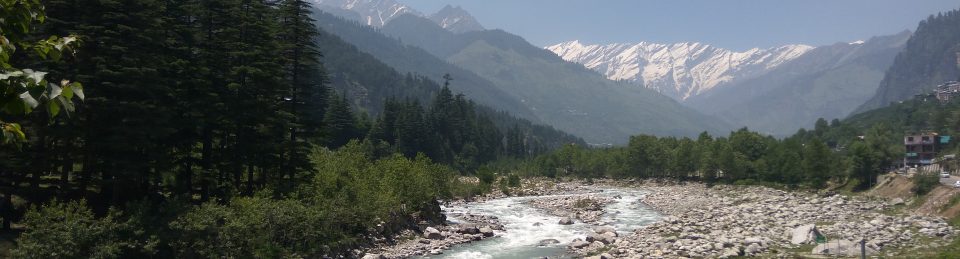
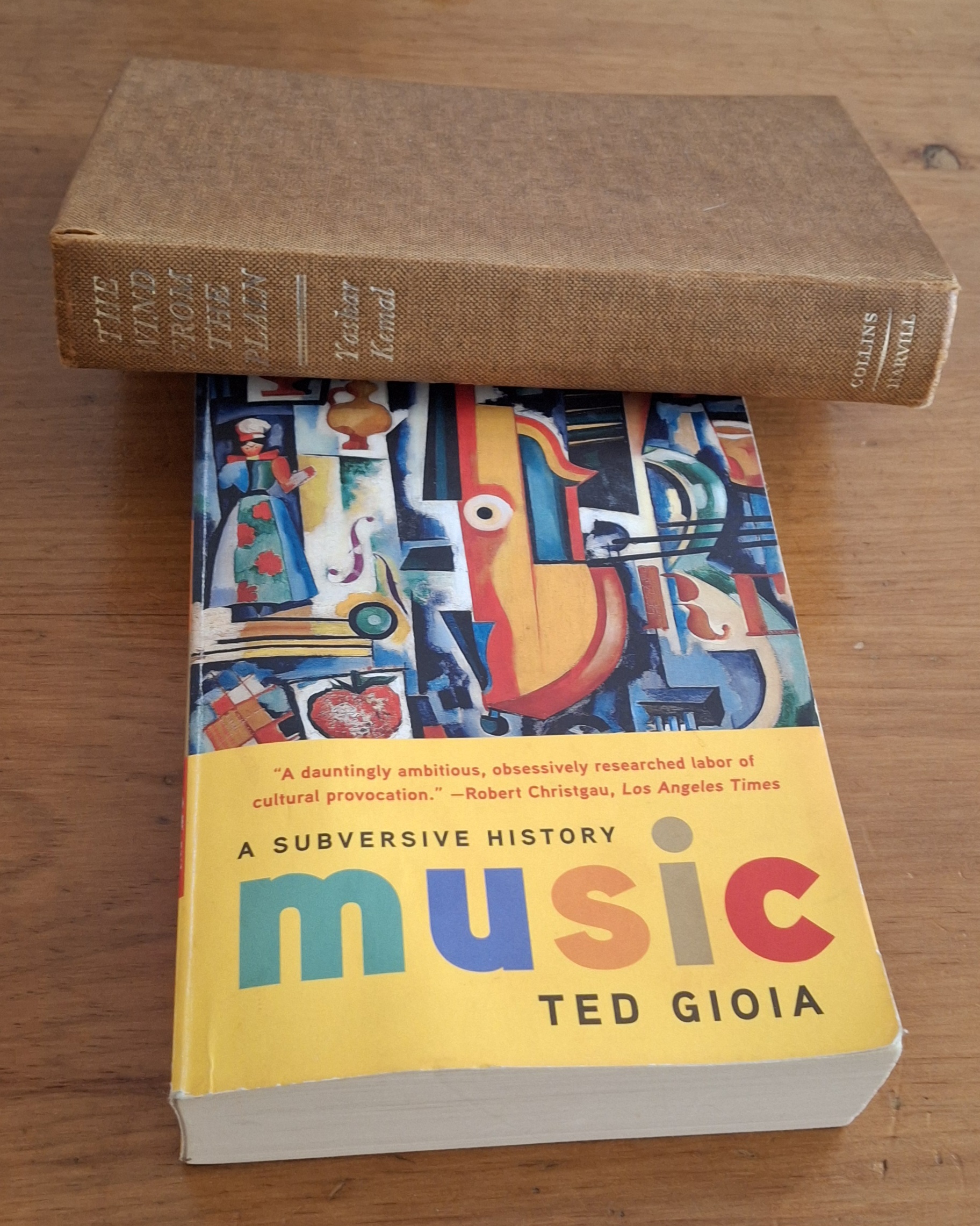

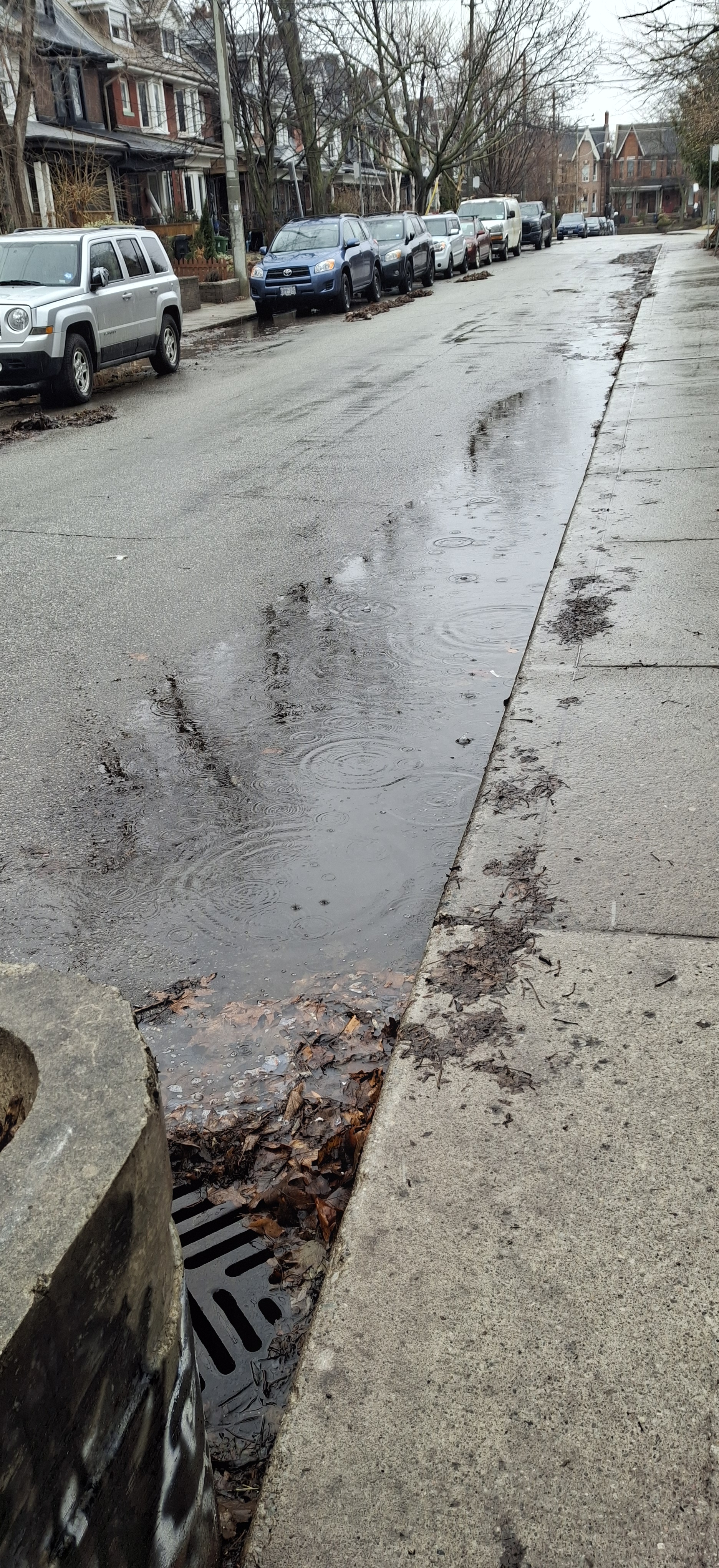
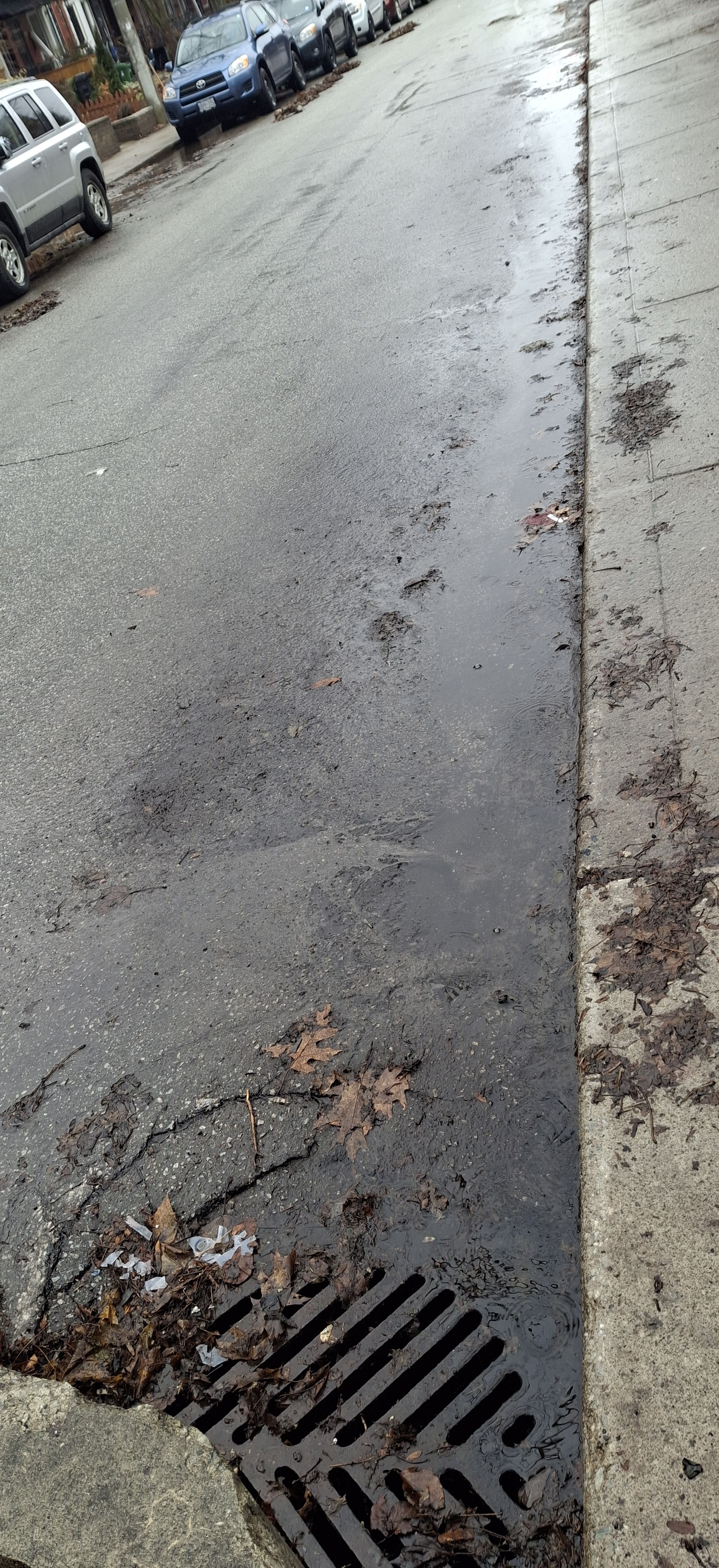
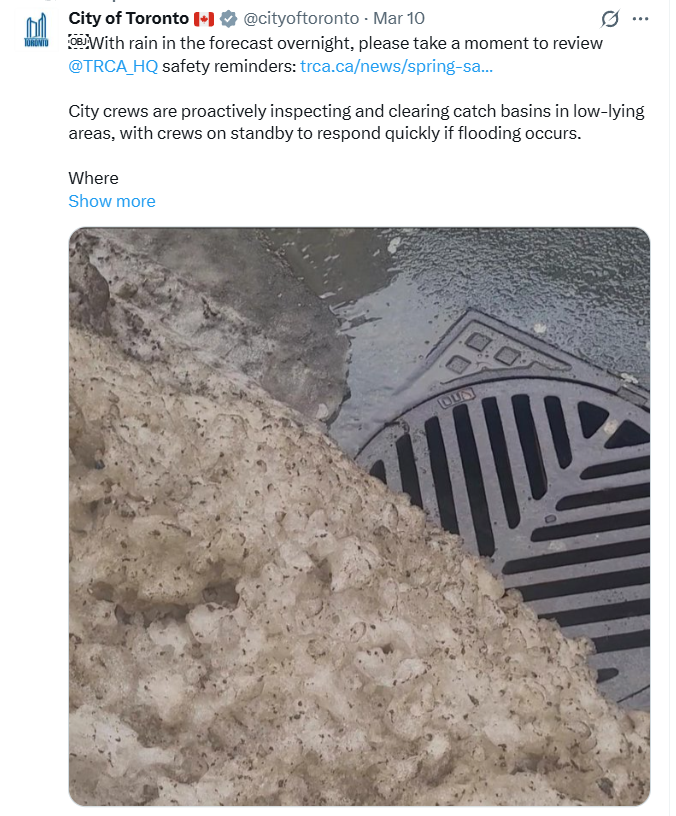

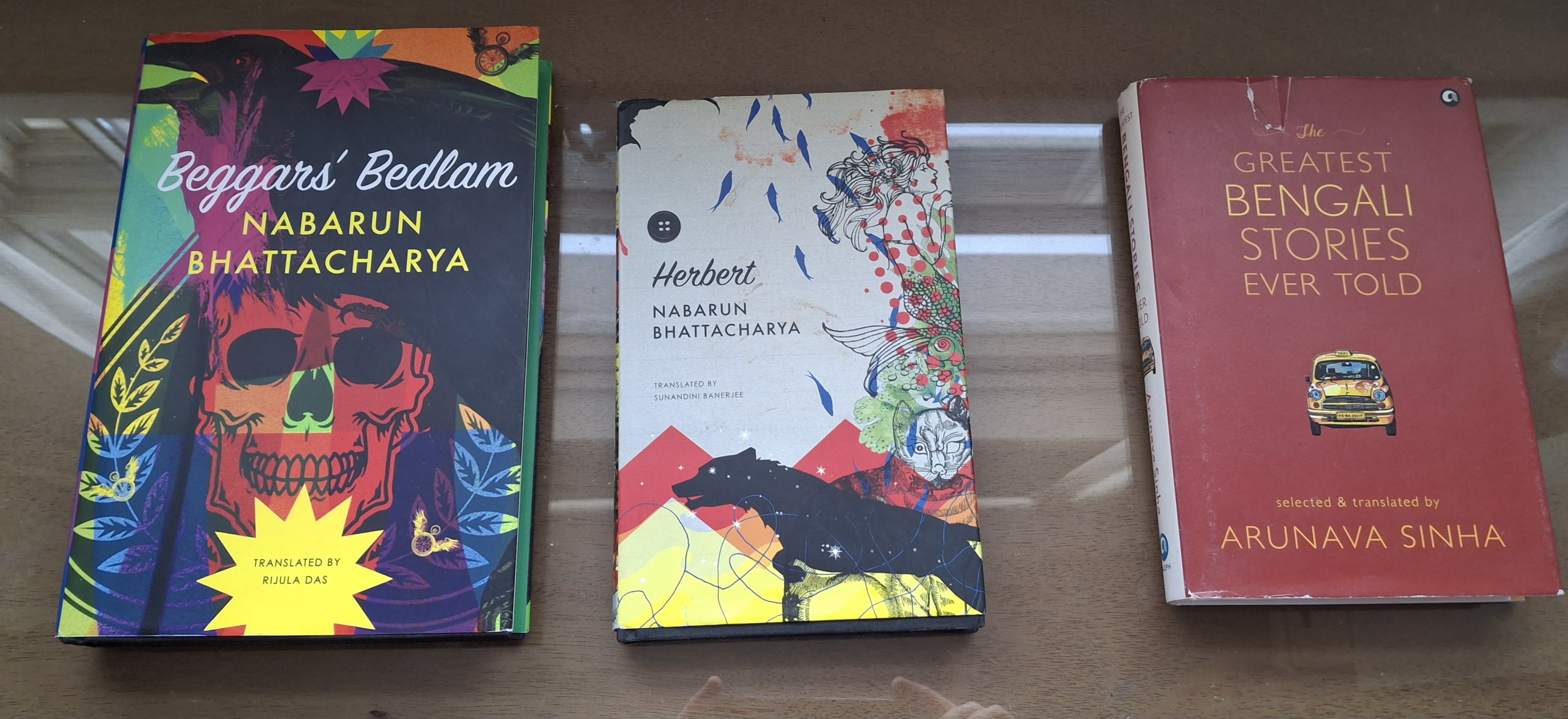
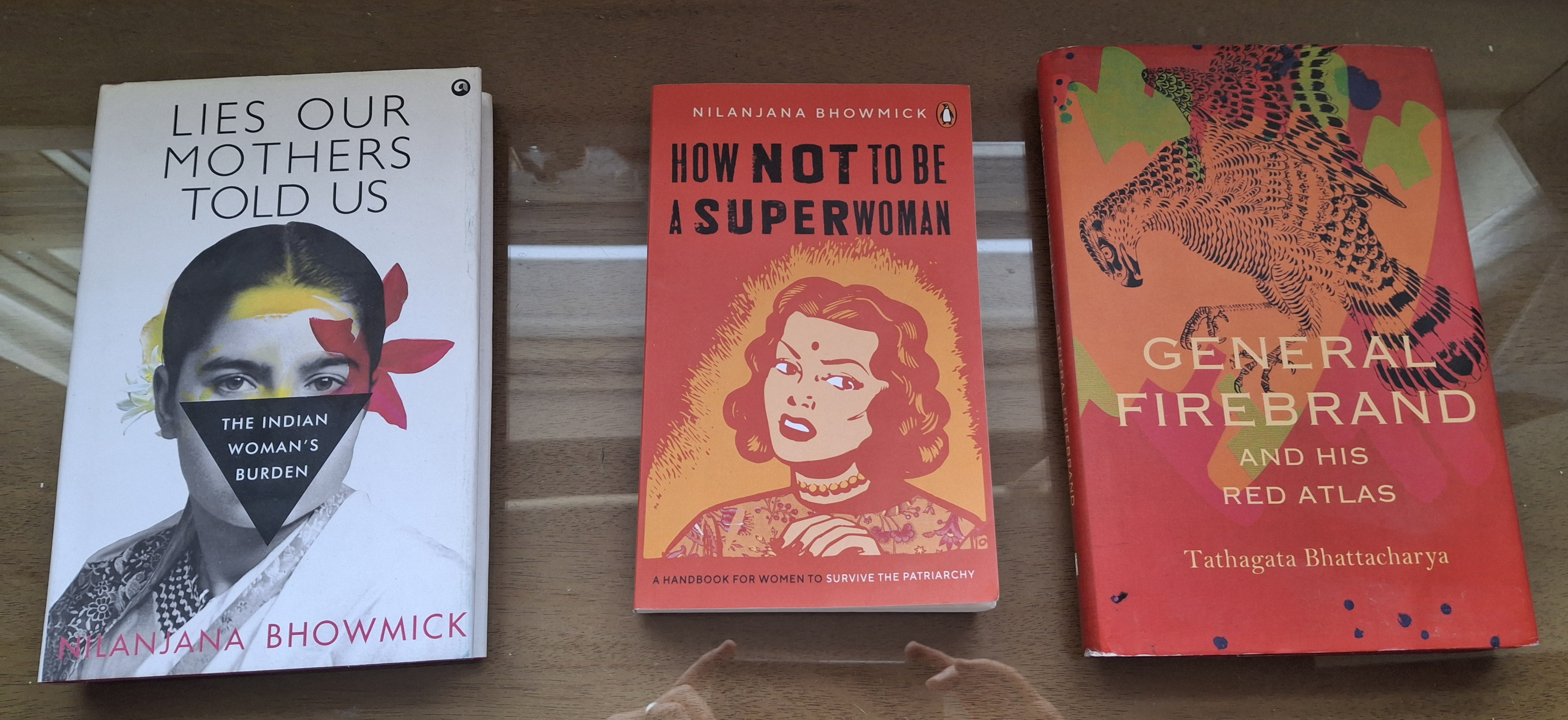
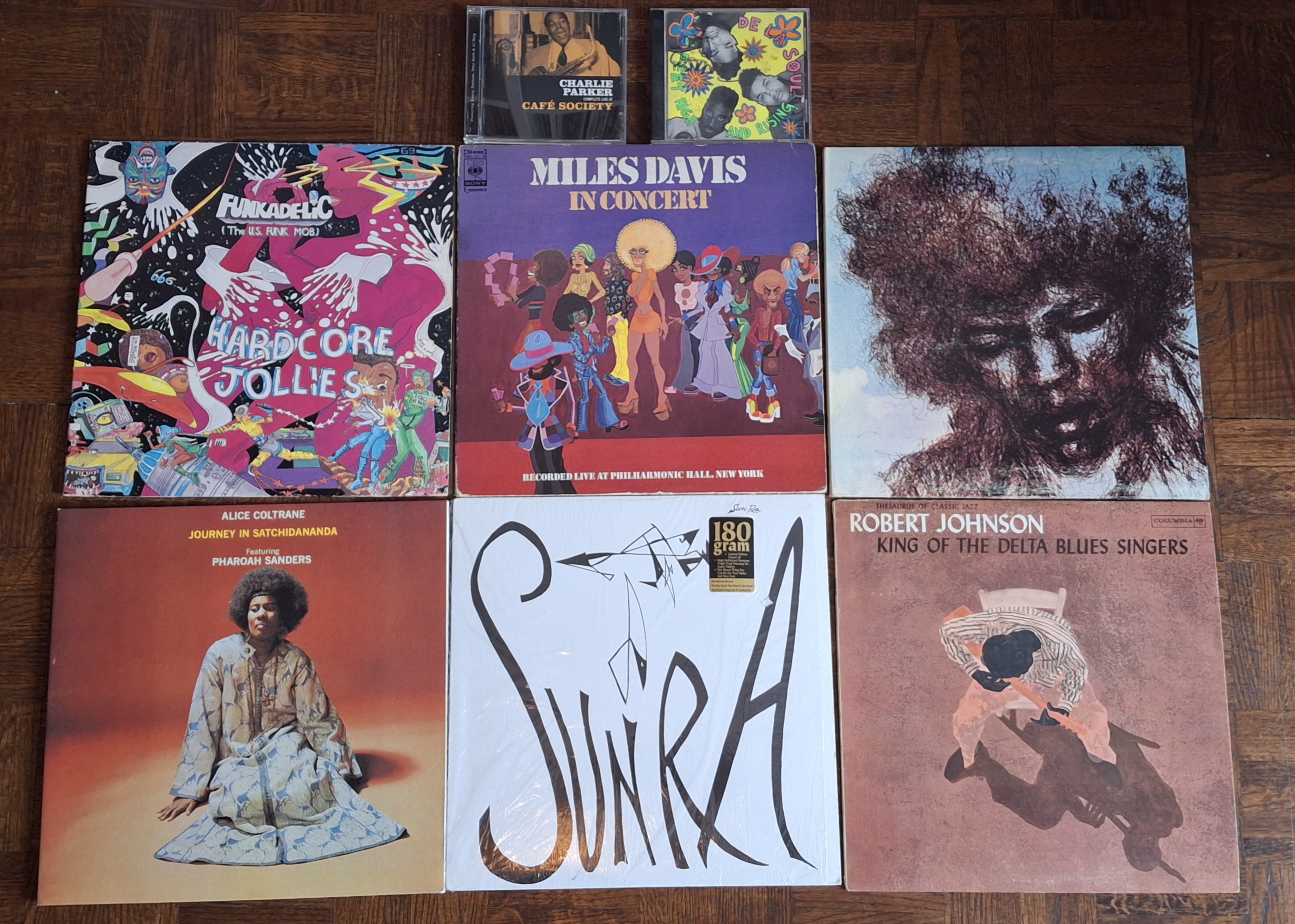
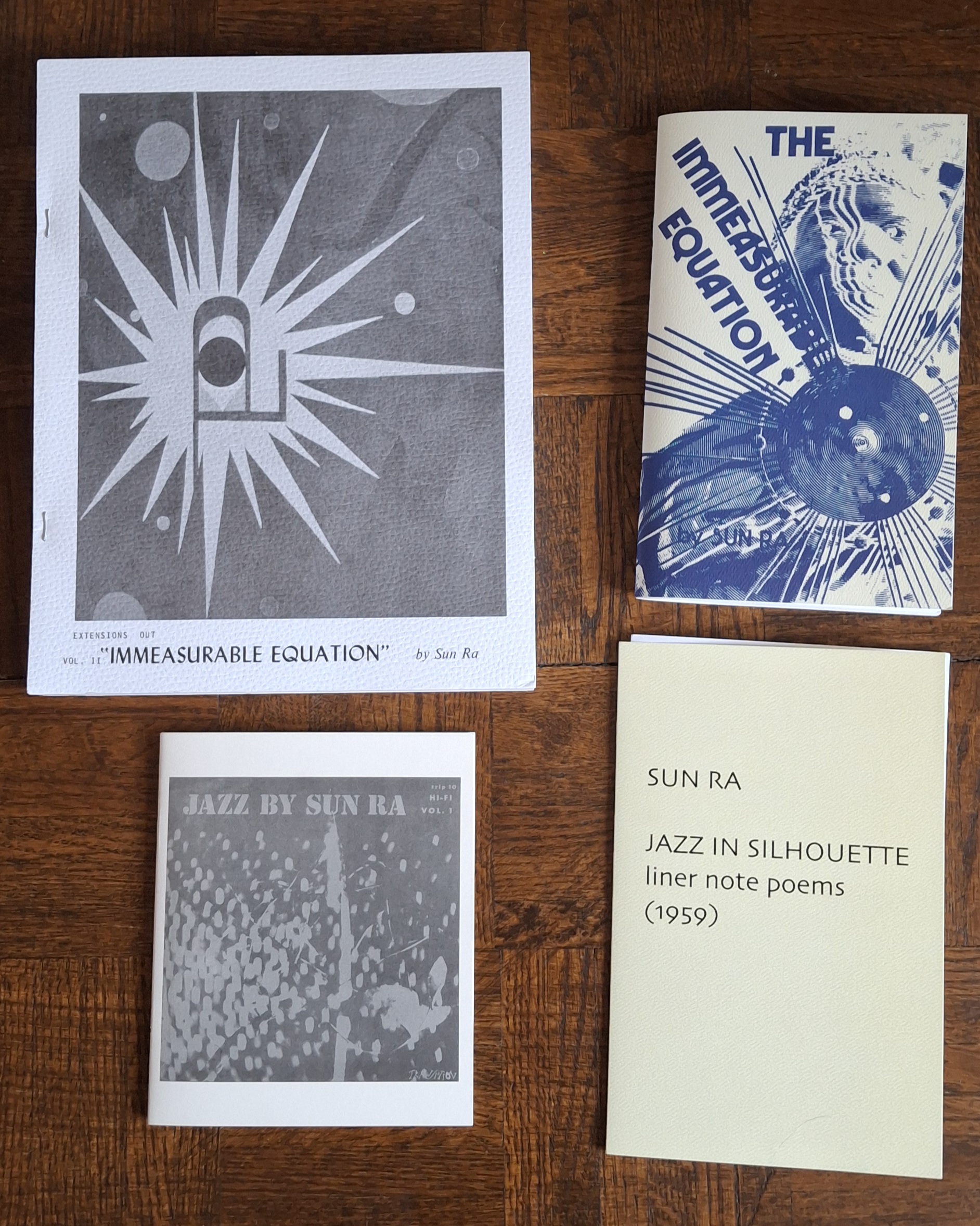
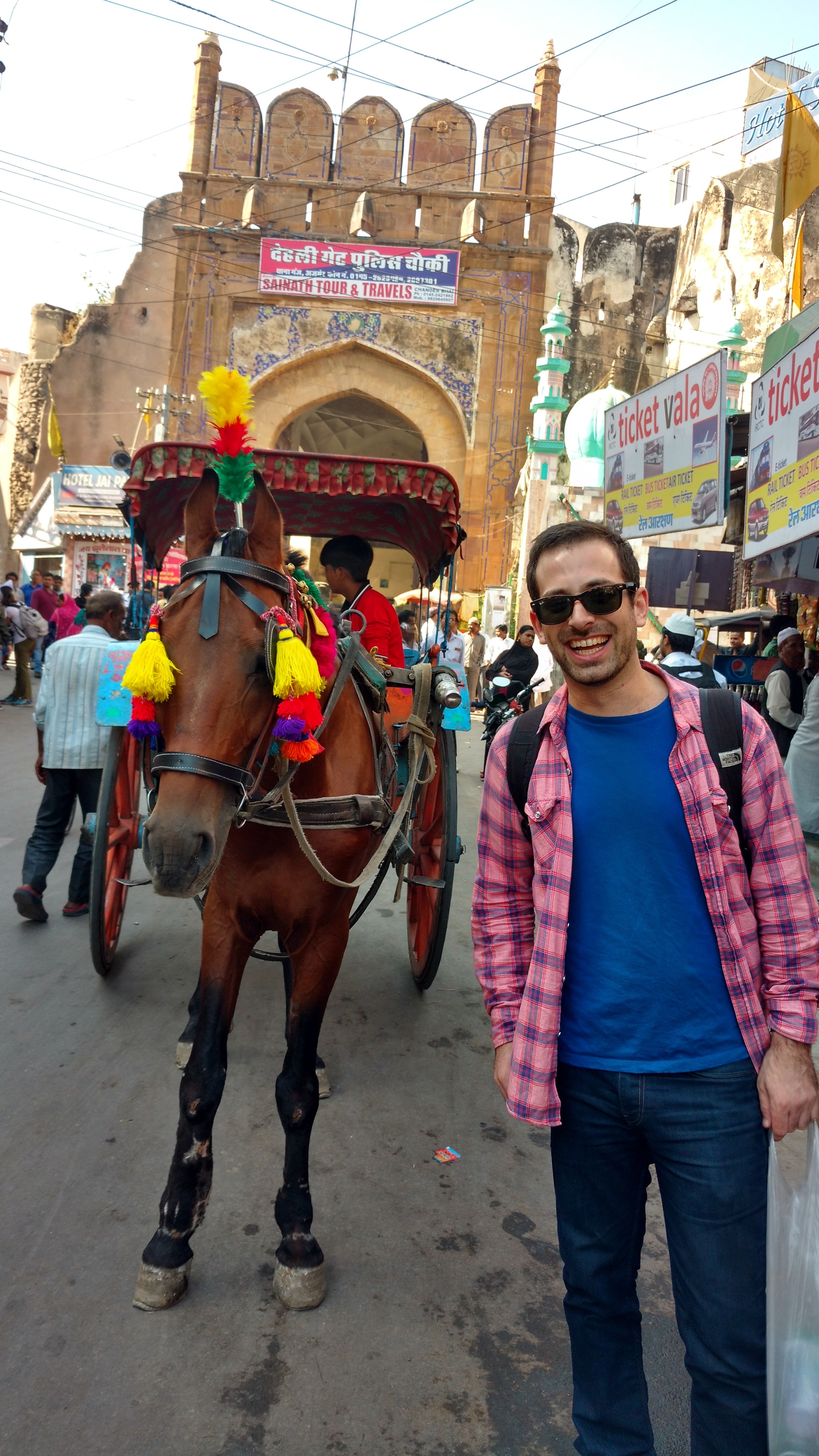
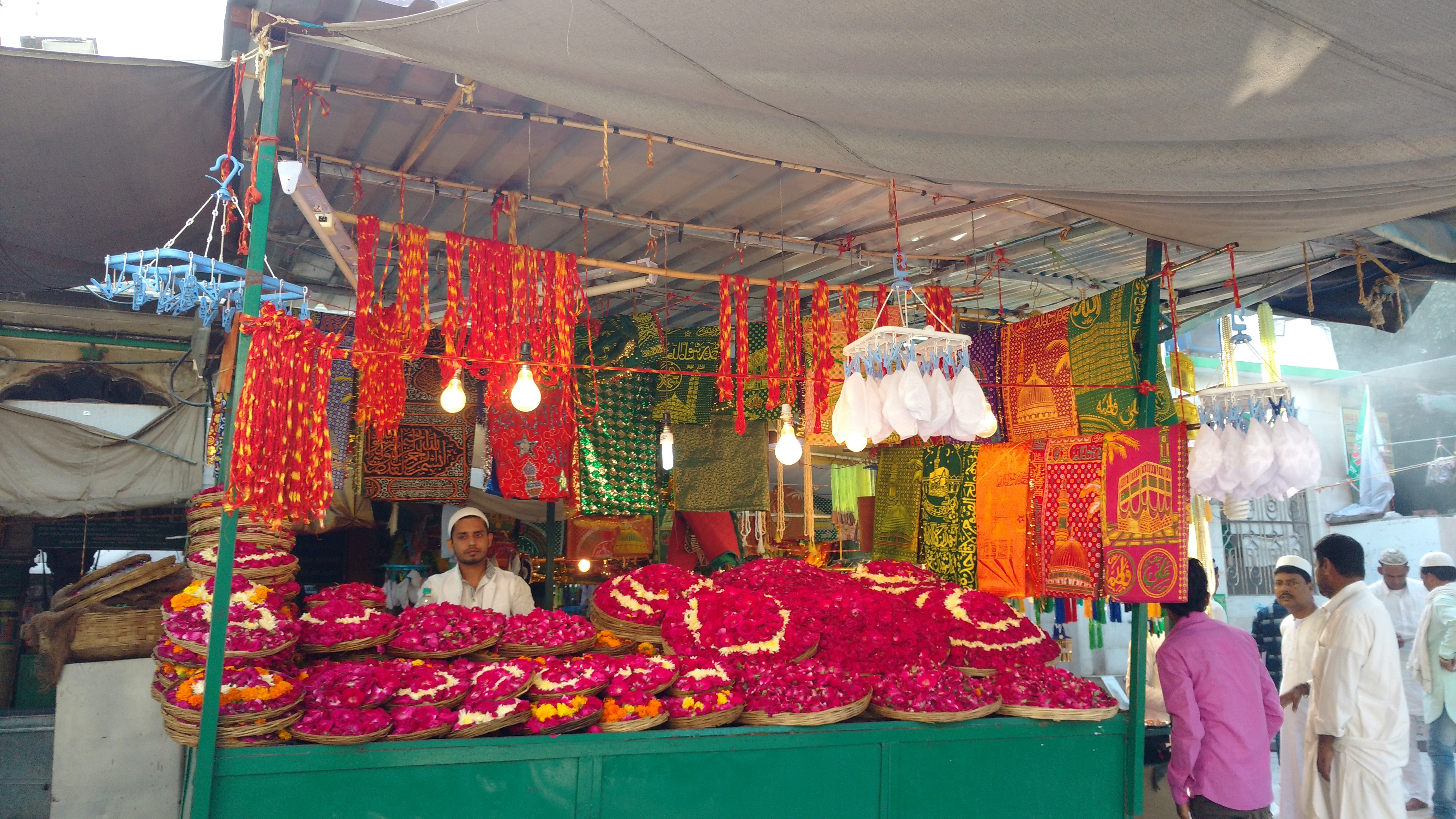
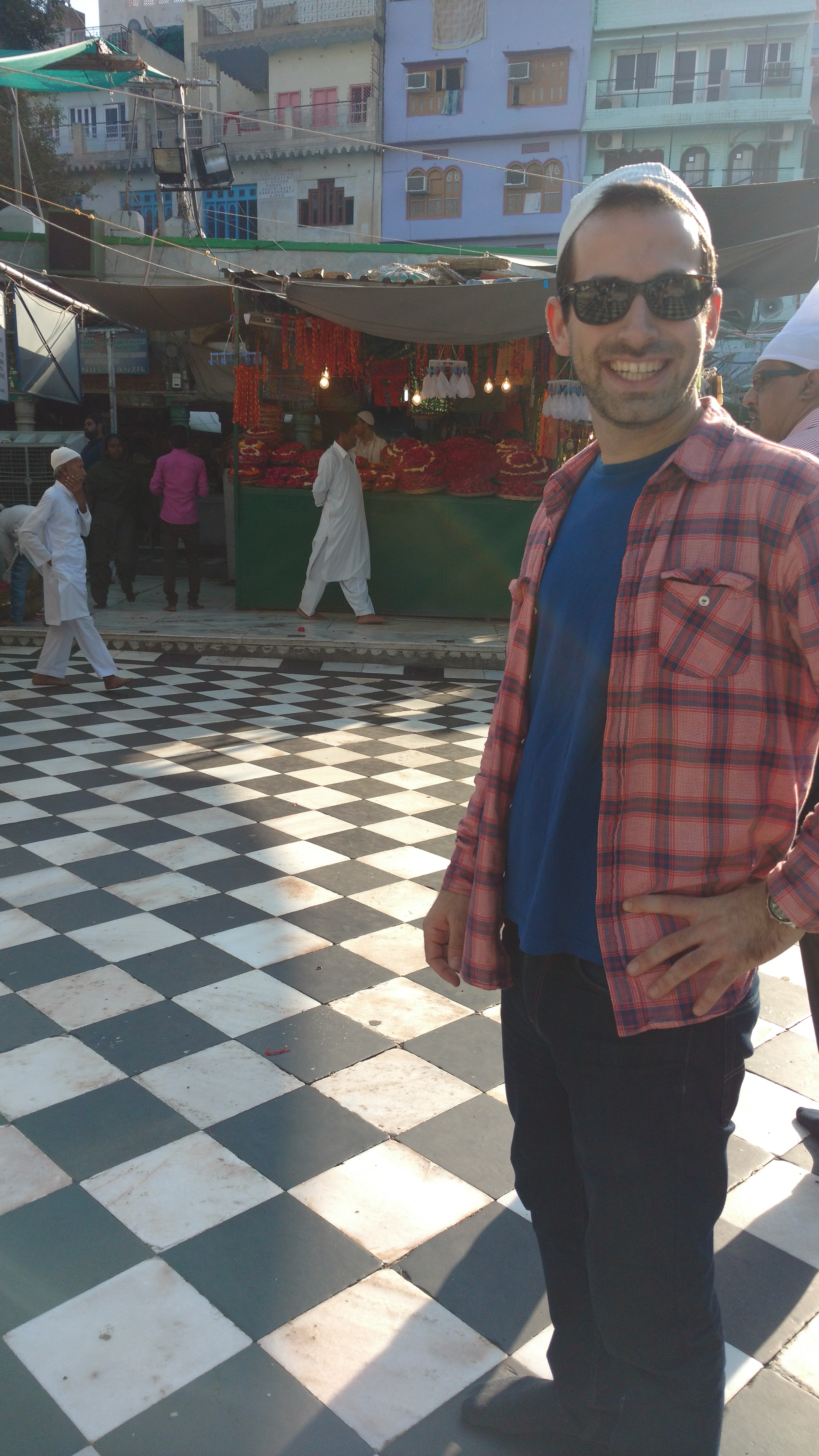
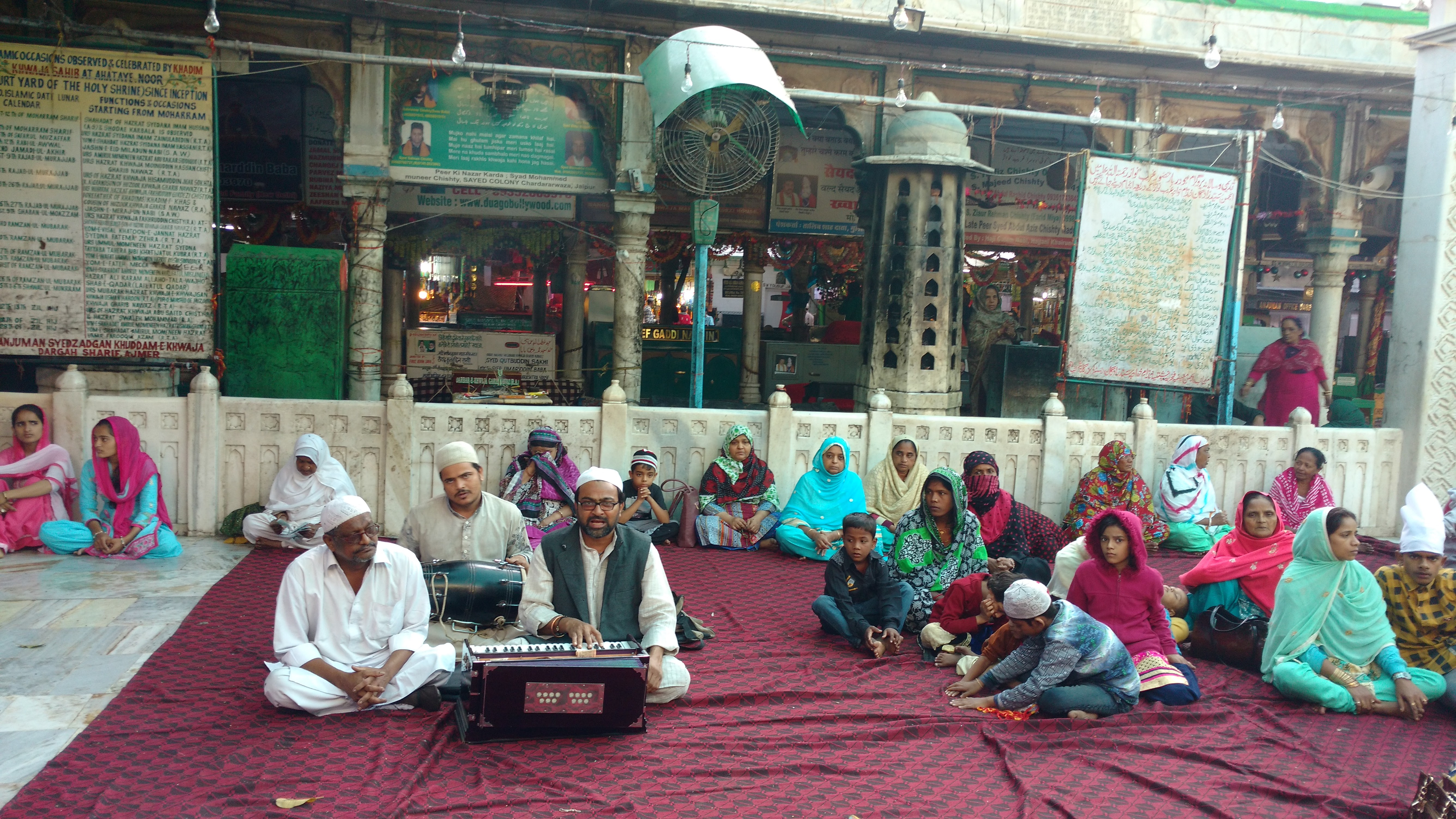
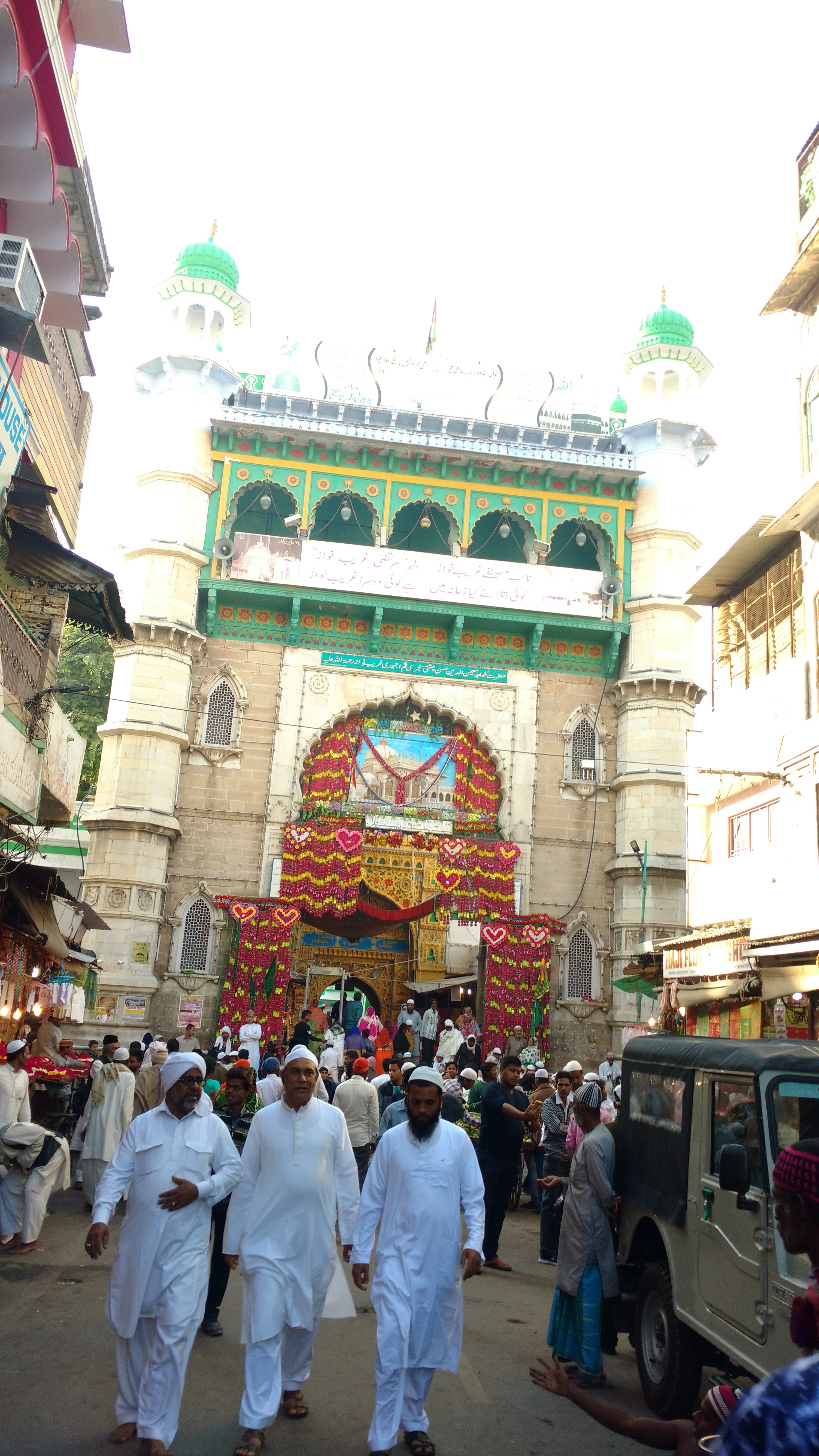
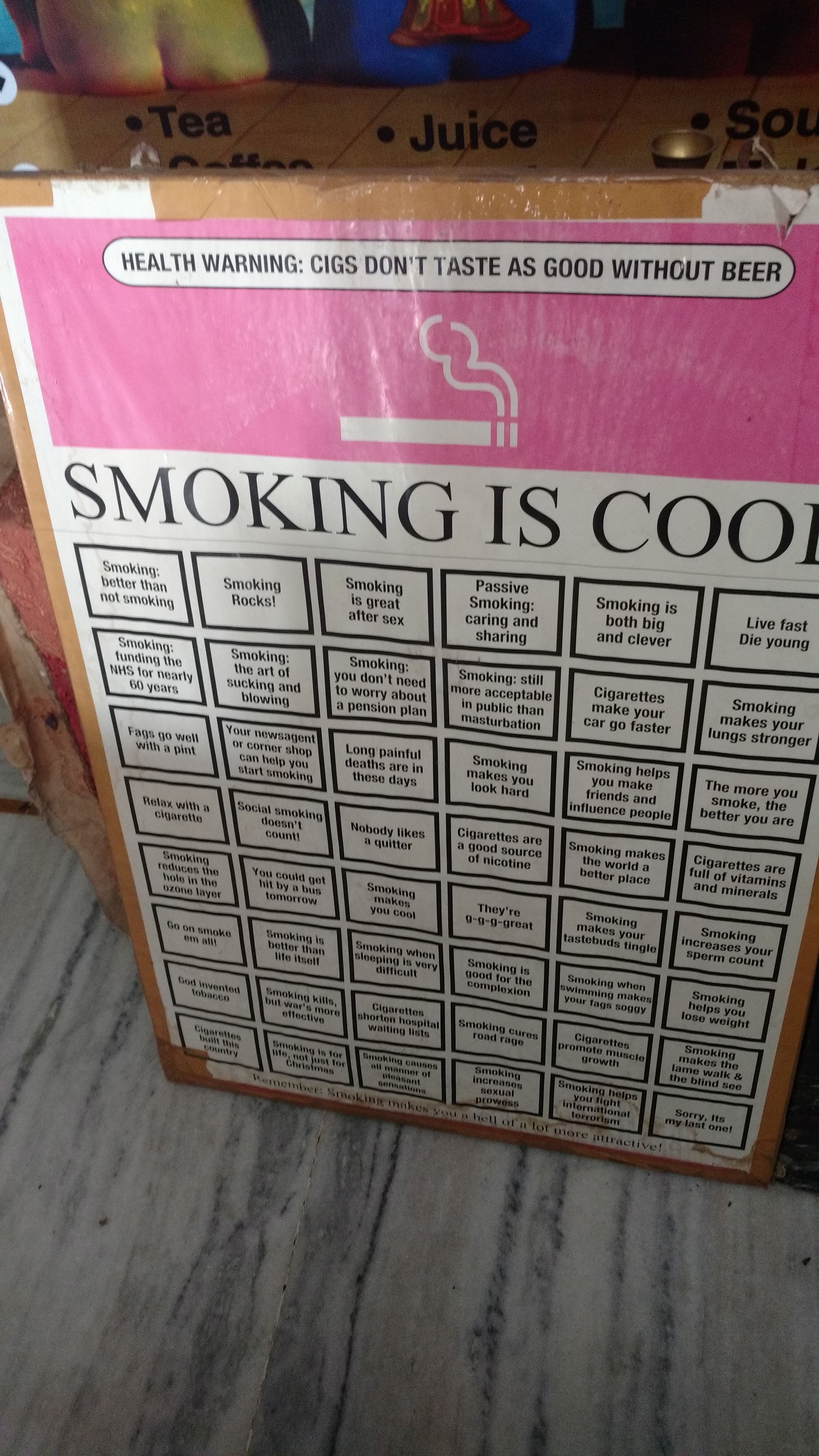
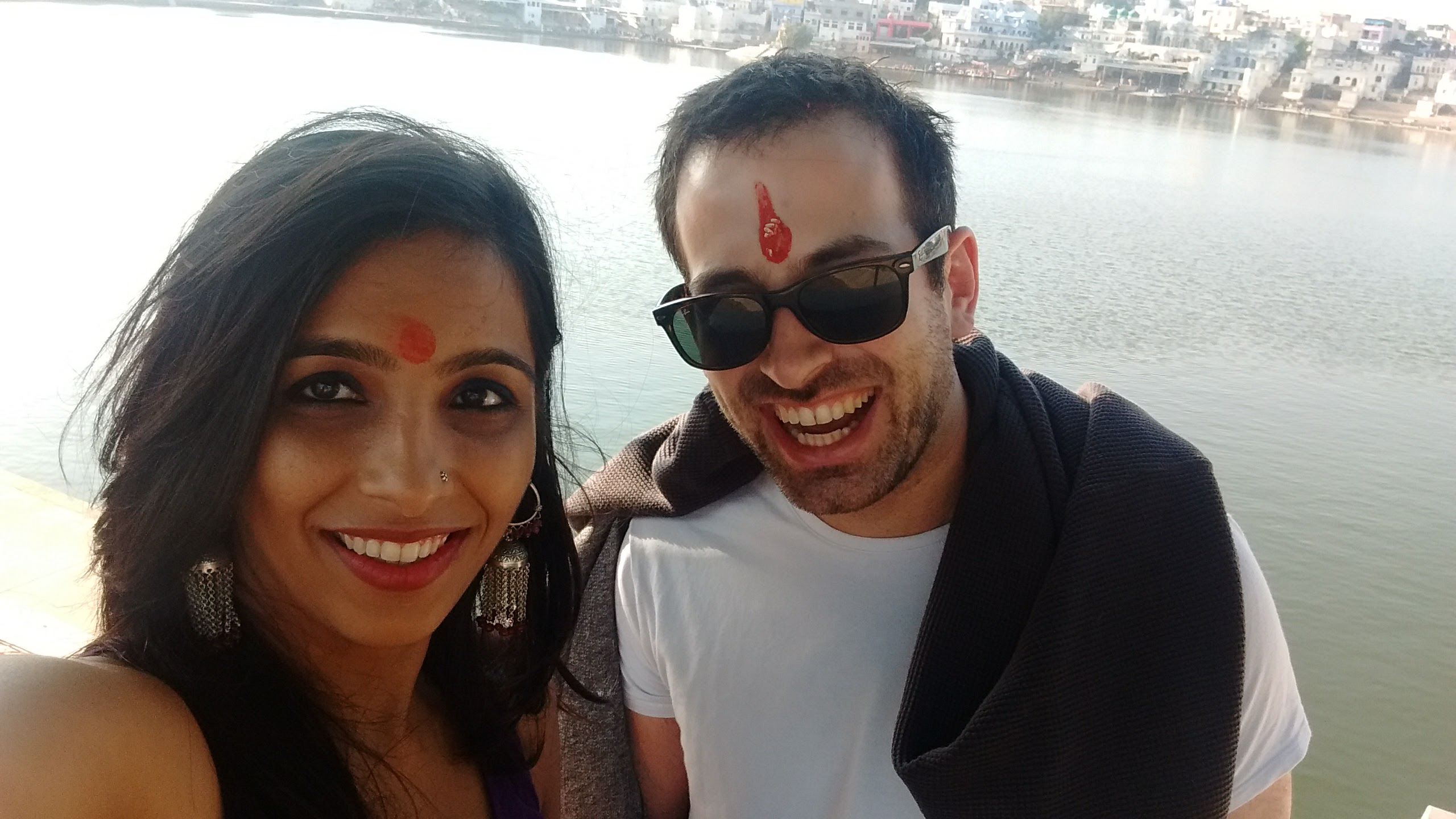
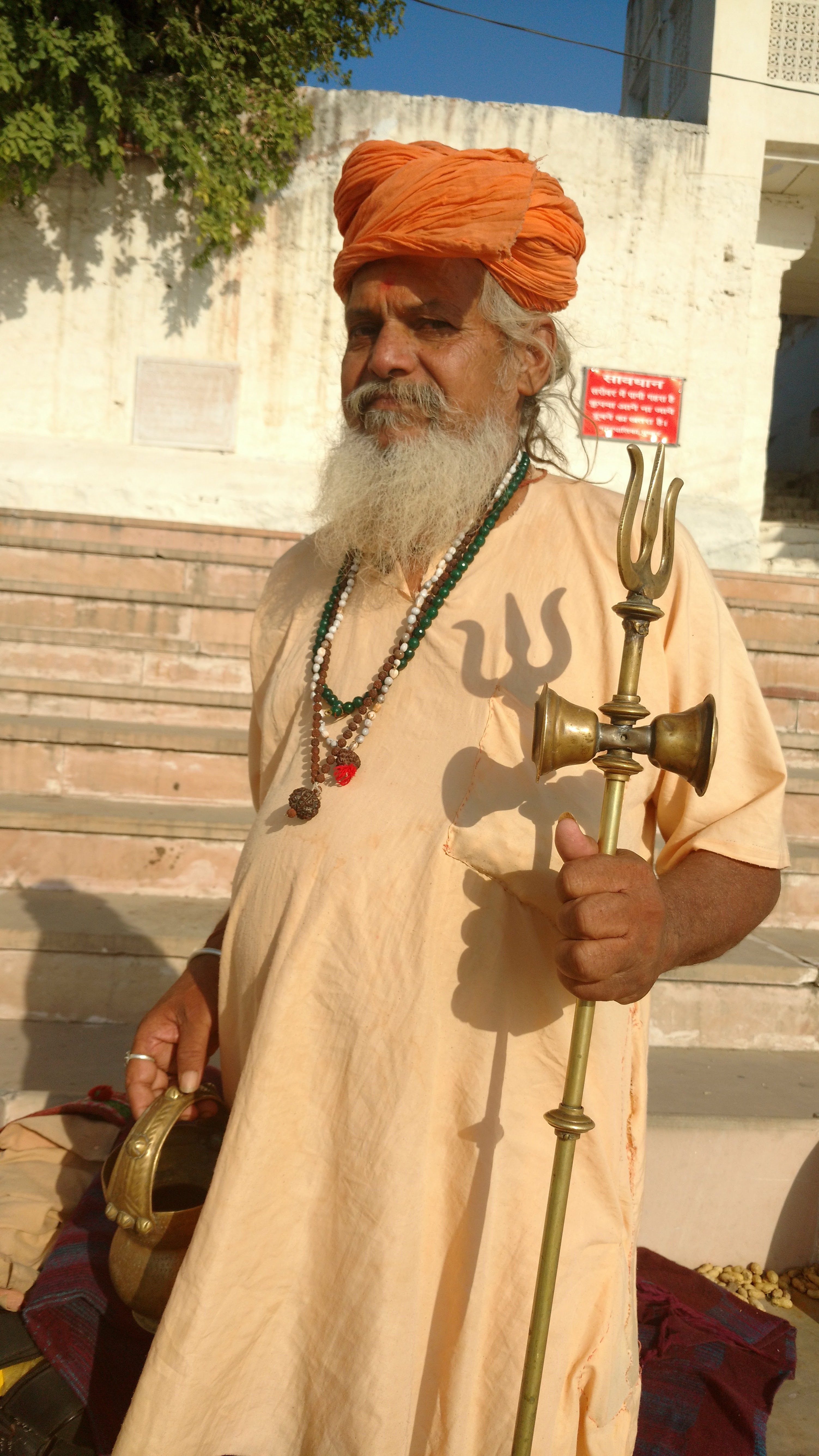
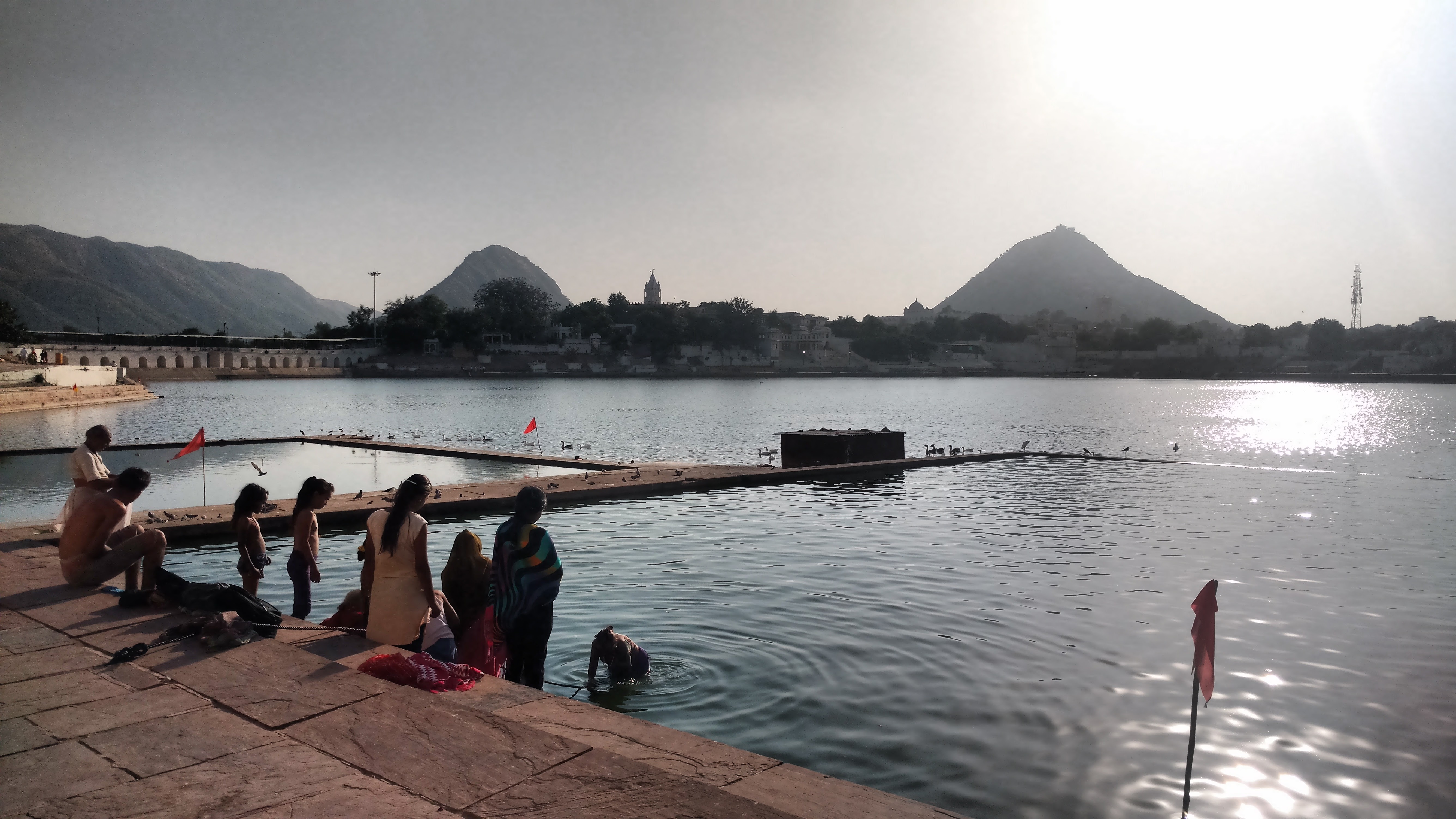

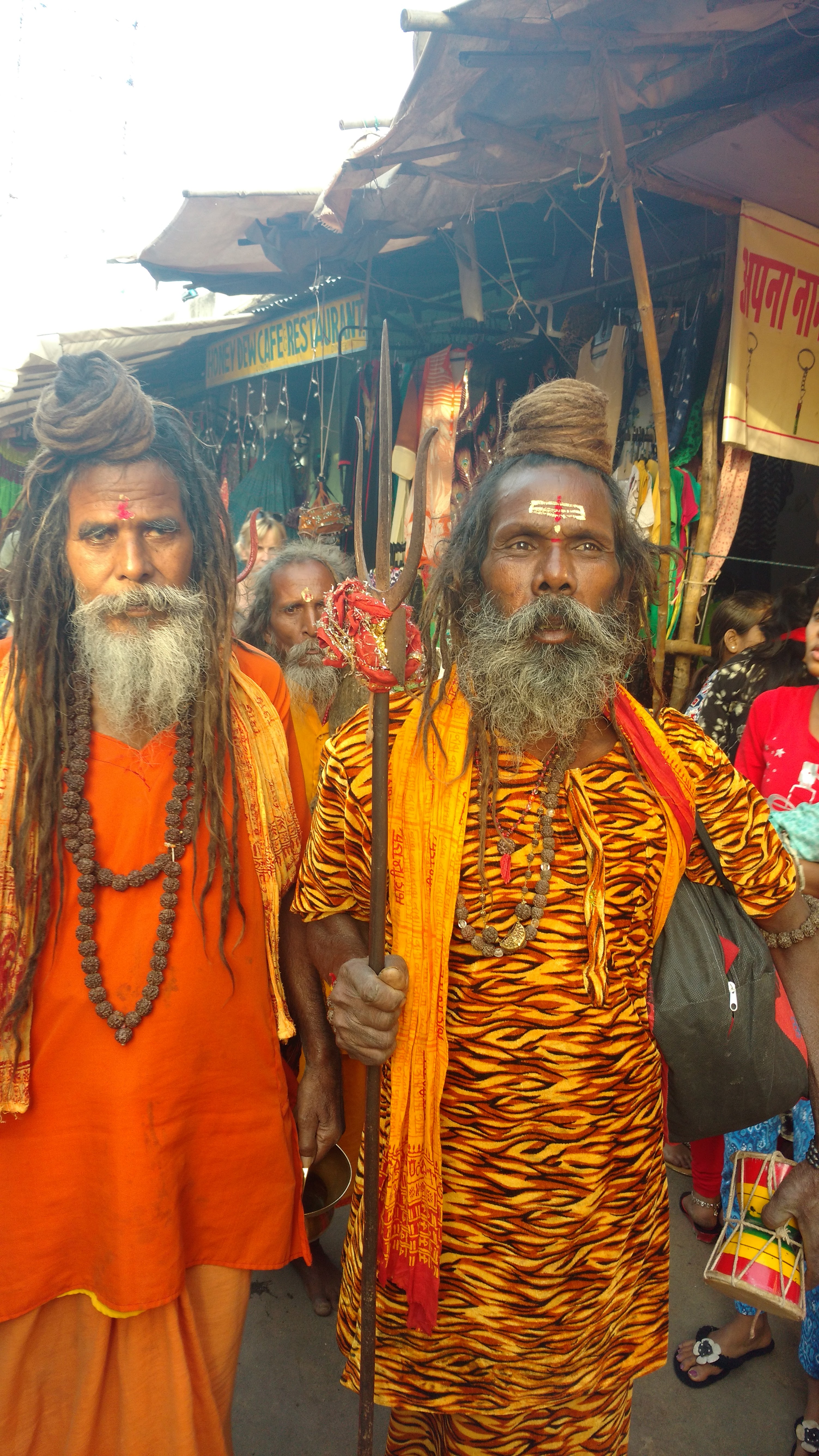
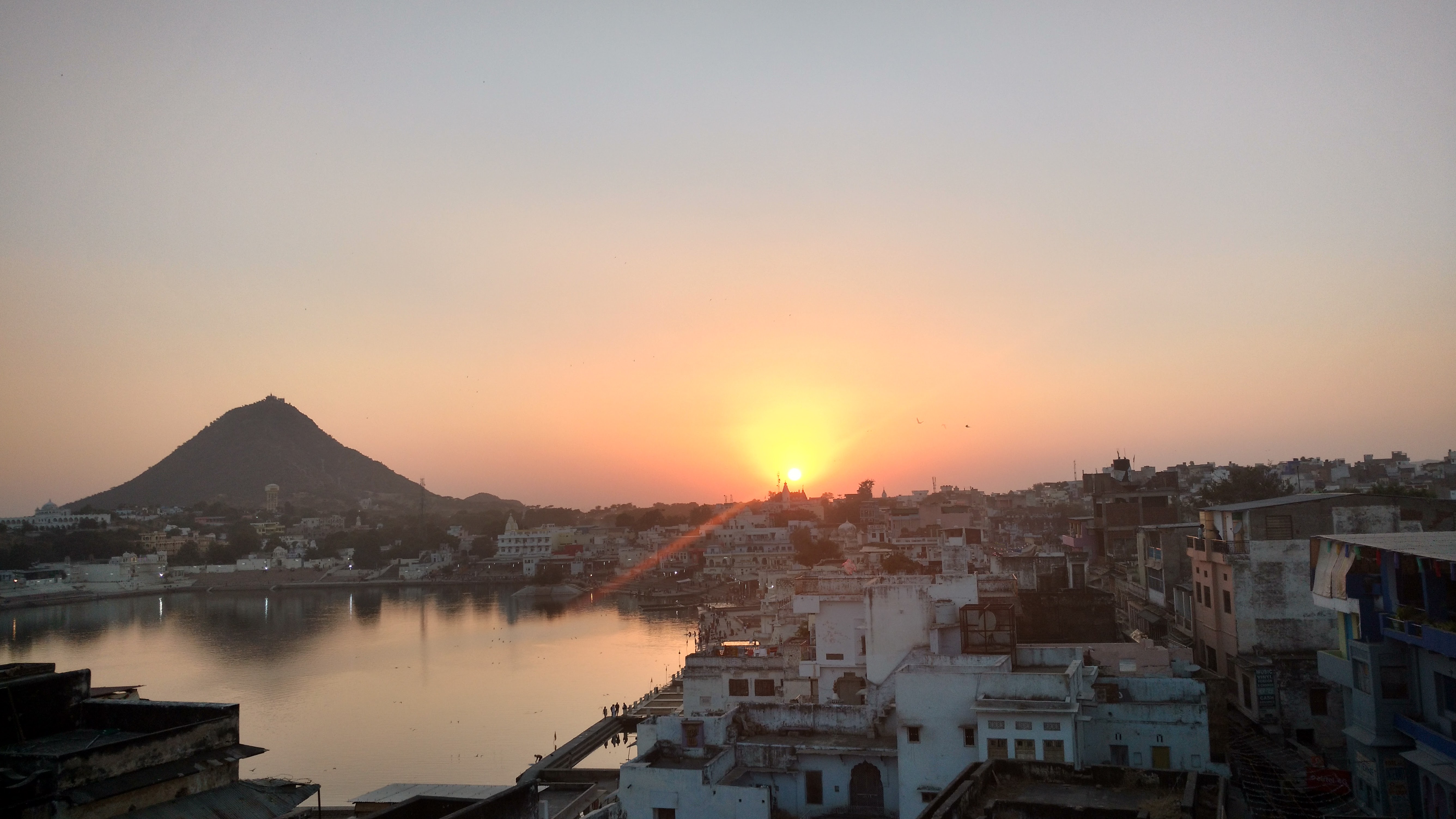
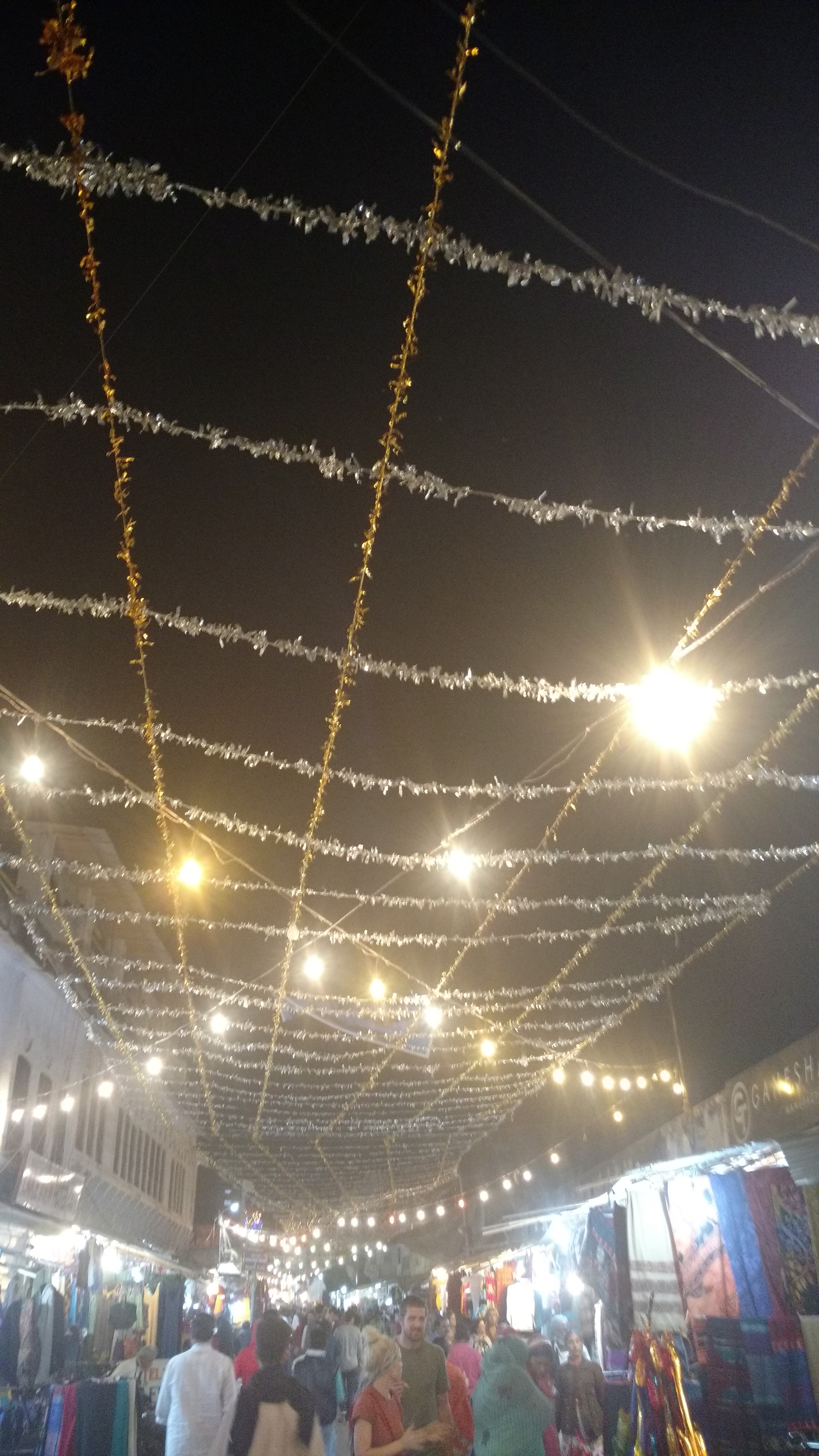
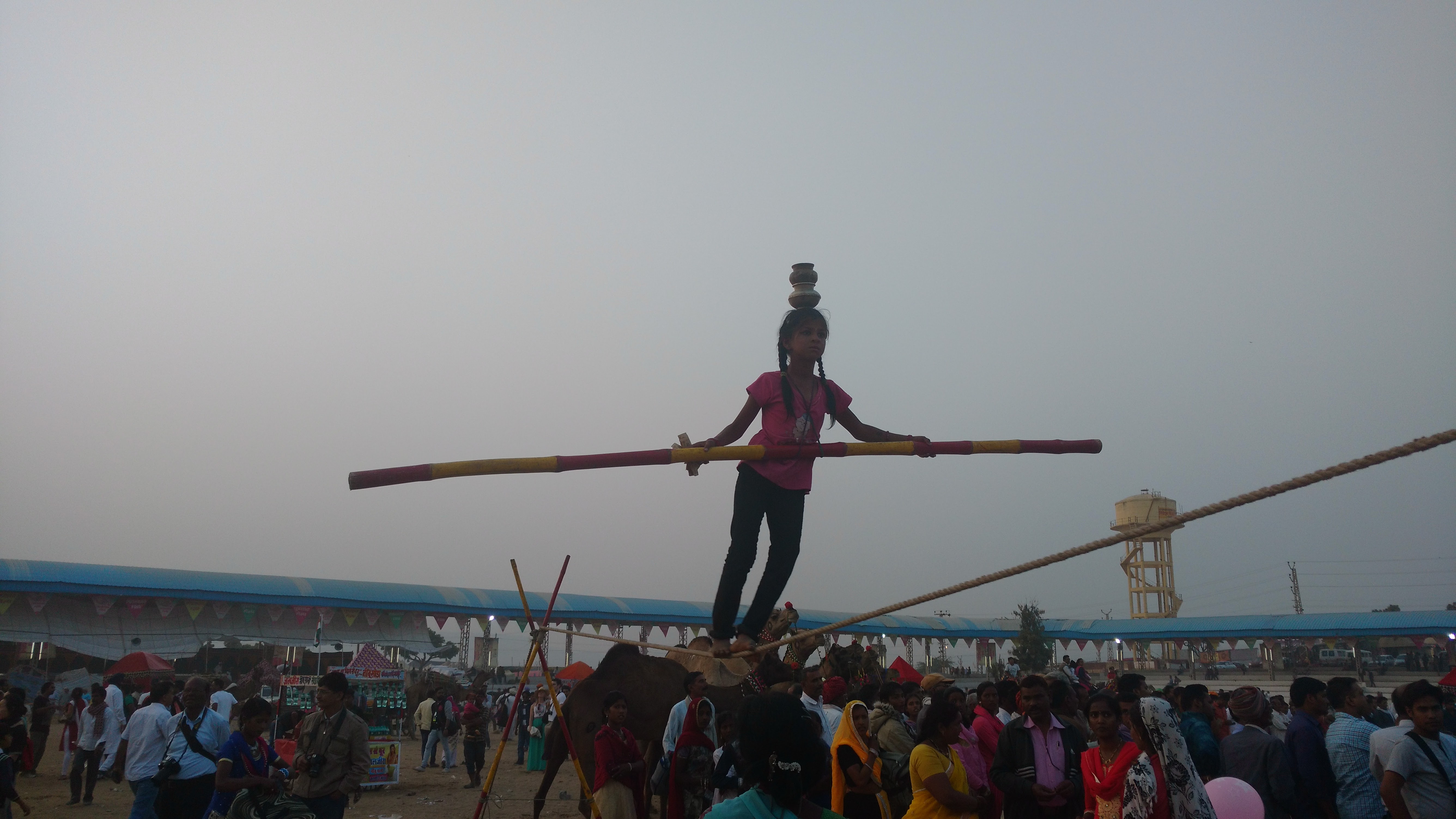


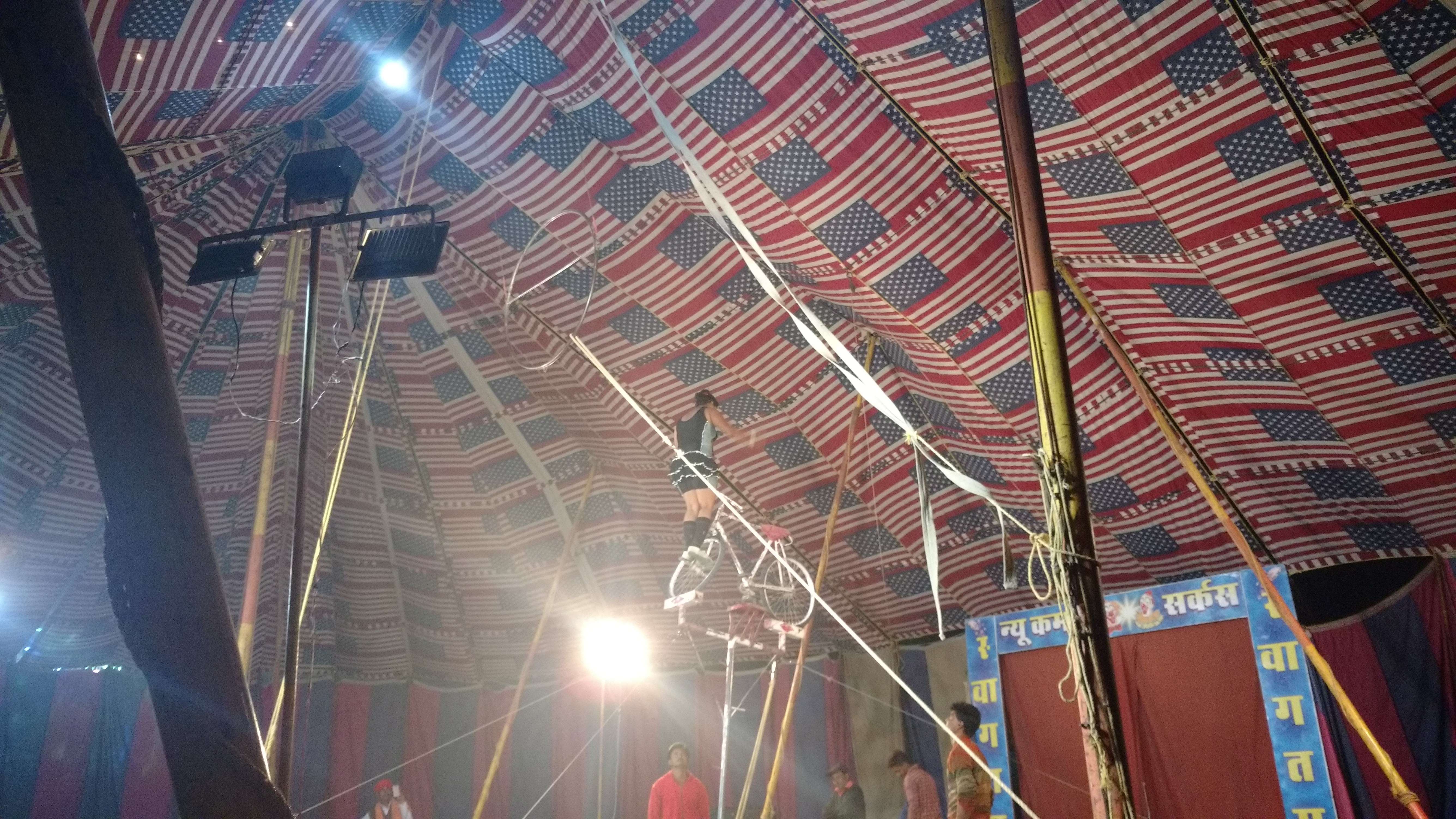
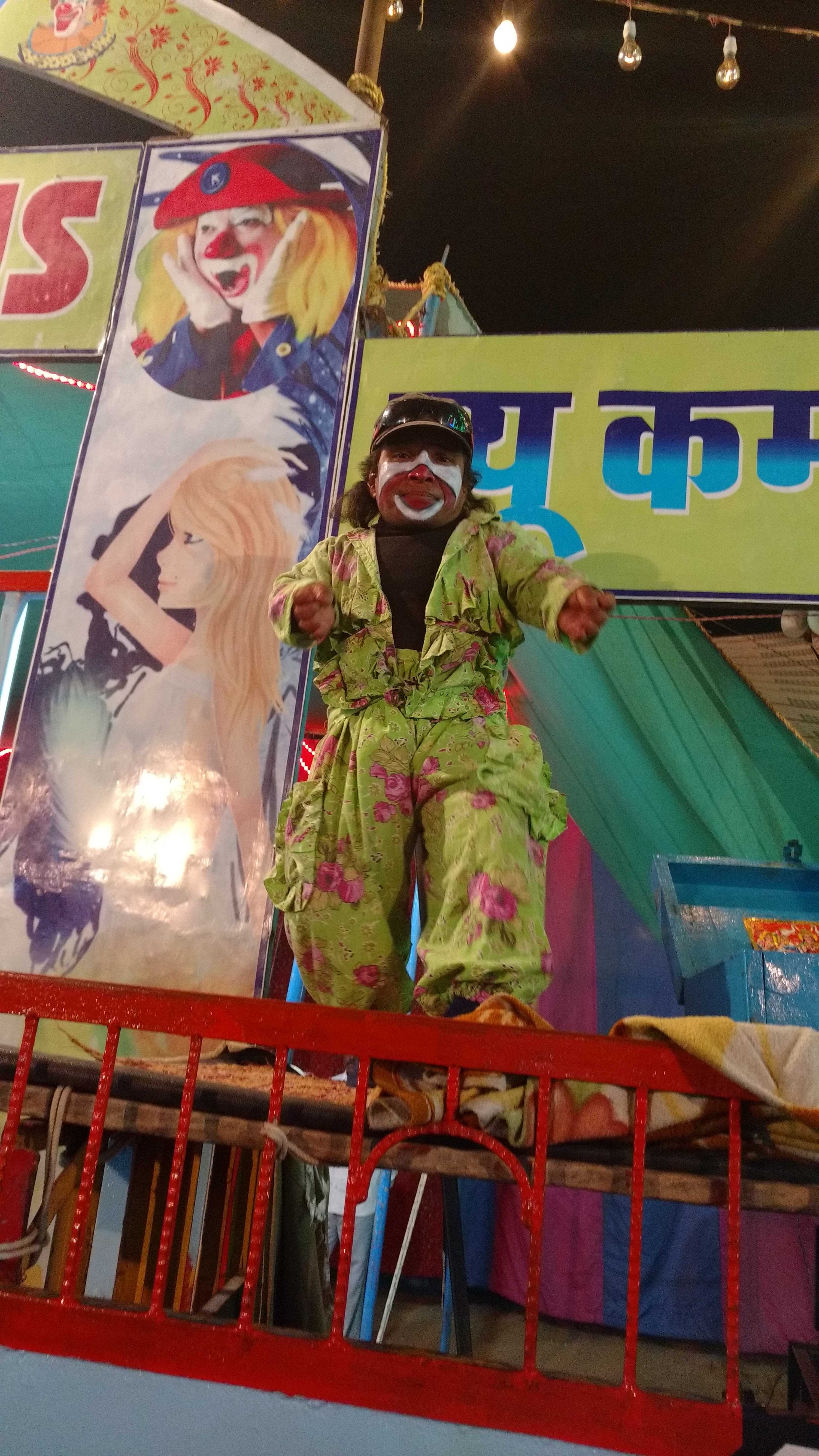
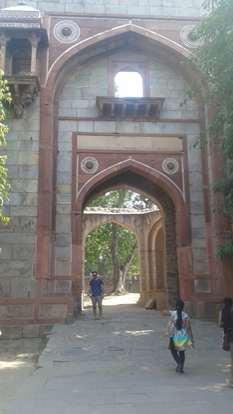
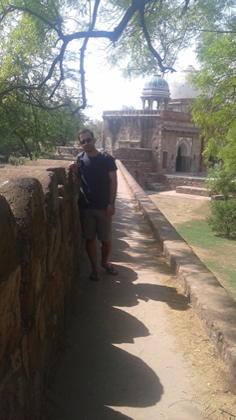
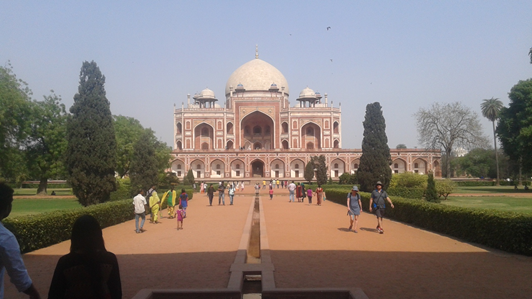
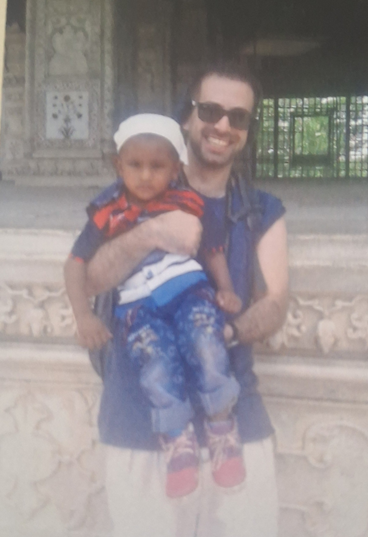
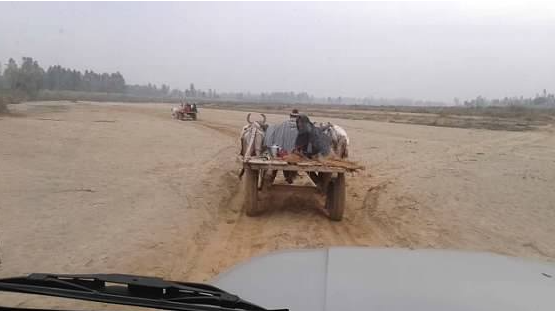
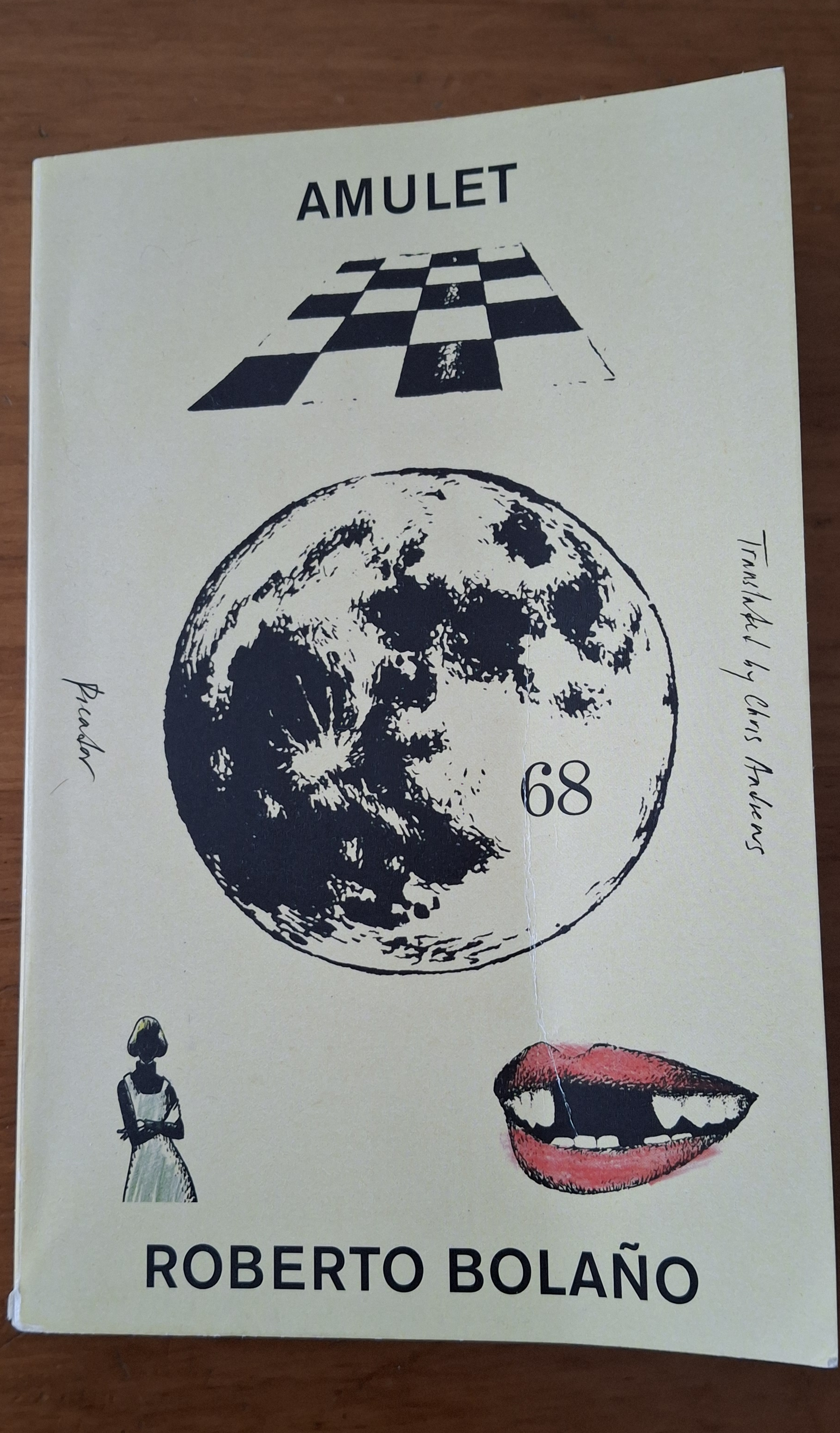
 Jeff Halperin