In a world of algorithms and Goodreads, how does a person pick what to read next? Since creating my own website in 2011 to write things I’ve also used it to track what books I’ve read. But the following describes what tends to guide me in what to read next.
I’ve had two editors named “T” who got me onto excellent books. The first, Tathagata Bhattacharya, is a novelist himself who comes from a distinguished line of writers. His father is the great Bengali radical novelist Nabarun Bhattacharya, and his grandmother is Mahasweta Devi, a legendary writer and activist famous across India and beyond. T got me onto Vasily Grossman’s Life and Fate and also Yeshar Kemal’s novels, The Wind from the Plain,Memed, My Hawk, and They Burn the Thistles. It’s easy to read T’s novel, General Firebrand and His Red Atlas, and feel his love for both Vasily Grossman and his father’s works.
T’s wife is also a dear friend of mine, Nila Bhowmick, and her non-fiction books–How Not To Be a Superwoman and Lies Our Mother Told Us: The Indian Woman’s Burden–are brilliant. I’m excited to read her upcoming novel.
My second editor T, Tyler, got me into Roberto Bolaño’s novel 2666. I’ll forever be indebted to him for this. Today we have a book club featuring just that book, ie we talk about 2666 whenever we hang out. He also loves Martin Amis’ Times Arrow, which absolutely floored me, and Hemingway. Maybe because of him I read The Sun Also Rises. Some Morley Callaghan stories, too. He got me into Point Omega by DeLillo.
Another friend and ex colleague, André Forget, an excellent novelist in his own right too, also guided me to me several excellent novelists. JK Huysmans, Goncharov, and Gaddis. His love for Orhan Pamuk pushed me to read The Black Book, an excellent novel. Against Nature, Oblomov, and The Recognitions are all masterpieces. I had read Pamuk earlier, The Snow, and quite liked it.
I have a recollection of Tathagata praising Kemal far above Pamuk, but I spoke to him more recently and he quite loves them both. I associate my two friends with each of these legendary Turkish authors.
Andre’s novel In The City of Pigs was truly excellent. It floored me! Not just because it was set in Toronto and felt familiar in theme and content. He’s friends with some outstanding contemporary novelists I doubt I would have otherwise found: Noor Naga, If An Egyptian Cannot Speak English, Fawn Parker’s Hi, It’s Me and What We Both Know, and Naben Ruthnum’s A Hero Of Our Time, and his body-horror novella, Helpmeet. Naga, Parker, and Forget were all longlisted for the Giller, while Ruthnum was outrageously snubbed.
I’ve often thought, “surely there must be outstanding contemporary novelists, I wonder who they are!” and I’m obliged to Andre for helping to answer this. I’m very confident in recommending any of these writers to anybody. Andre also edited After Realism, a great, gutsy collection of contemporary literature.
My darling Amanda directed me to The Shadow of the Wind, A Night To Remember, and many other cool non-fiction books. Friends in India put me onto Ambedkar and essayists like Khushwant Singh. Doug Miller at Miller Books got me reading Lethem and Auster, two very cool, impressive writers.
Sometimes I consult my favourite dead novelists by reading what they love. My love for Bolaño has got me to read more Bolaño than 2666 or Savage Detectives, but also his favourite works, like Don Quixote and Hopscotch by Julio Cortázar. Next I plan to read another dear love of his, Nicanor Parra.
I’ve also read some Pablo Neruda because Bolaño doesn’t like him and I wanted to see why, for my own curiousity and to better understand By Night in Chile. The truth is, the Neruda I read I really loved. Sorry, Roberto! I’m sure I’ll learn more about your distaste for Neruda’s poetry and politics and come to see your point of view, but meantime, I found the language sadly very dazzling and beautiful. I wanted to dislike him, but it turns out the poet many said was the 20th century’s best is in my opinion very good.
Years ago I met a contemporary writer, Daniel Perry, through a mutual friend, and his work is excellent. I loved his short story collections, Hamburger and Nobody Looks That Young Here, and his recent novella Modern Folklore is outstanding. Along the same lines, Sofi Papamarko’s short stories Radium Girl was great.
Sometimes friends who aren’t novelists or my editor recommend books to me and I’ve been led to excellent works that way. That’s how I found Cloud Atlas and A Brief History of Seven Killings.
Of course, there’s always Vladimir Nabokov as guide. His literary lectures on Russian and European authors is an incredible way to find great novels and have an absolute genius by your side as a literary companion. I read Dickens’ Bleak House, Proust, Dostoevsky, Chekhov, Kafka, and of course my dearly beloved Nikolai Gogol this way. Reading literary criticism about a difficult text can be a wonderful motivator to read it. For years I’ve had Nabokov’s lectures on Don Quixote on my shelf, and finally got to read that because of Bolaño .
My dad really loved JM Coetzee, Disgrace, and so did I. He loves Maugham and maybe I’ll read that soon. I told myself I would.
So long as you love what you read, there’s probably no bad way to get recommended books. I’ll just say that sometimes you don’t know what you need next, and trusting an algorithm to reverse-engineer a list for you based on what you’ve read already may be looking backwards instead of forwards. It may very well direct you to books you enjoy, but there’s a type of book it won’t put in your hands, and that’s the kind of book I’ve been chasing. Sometimes I wonder if satisfaction comes in higher tiers we don’t know about yet, and can’t dream up until we do. Then again, YouTube directed me years ago to Alice Coltrane.
Sometimes, knowing a book has delighted someone I know and trust helps me read it, in the way a joke is genuinely funnier when you hear a friend laugh at it. Friends and writers I admire have no commercial ulterior motive and I know they’re suggeseting a book because it means something to them, even if I don’t end up loving it. In a way, reading a friend’s favourite is like holding a three-way conversation. I wonder if American literature has an outsized impression on me, but even so, maybe I’ll read Gass, Vollman and John Williams soon. Maybe Clarice Lispector. I mostly use Twitter now to connect with like-minded readers and music fans, and these writers are popular there. Technology can be a useful tool if used correctly. It all comes down to people in the end.
When I first got to India, I knew nothing about caste. Nothing. This is embarrassing to say now, because it’s a monstrous plague woven throughout Earth’s most populated country. There are over 200 million Dalits, or “untouchables.” Yet many North Americans know nothing about it. Many Indians don’t, either.
I confess: In my first weeks in India, I told a colleague that, not knowing what caste was, I suspended my judgement about it. She looked at me in horror. I get my reluctance to comment, but understand the horror in her face more. “Dalit” may be a vague term but “untouchables”?
I learned more about caste by observing, gradually. It didn’t dawn on me right away. The compound security guards, the night watchmen, my company’s drivers, my friend’s gardener Hera who sometimes pedalled me to work on his bike rickshaw…weren’t they all of lower caste, if not Dalits? At work, at the English-language news station, I was surrounded by English speakers. None of these people spoke English. I couldn’t talk to them.
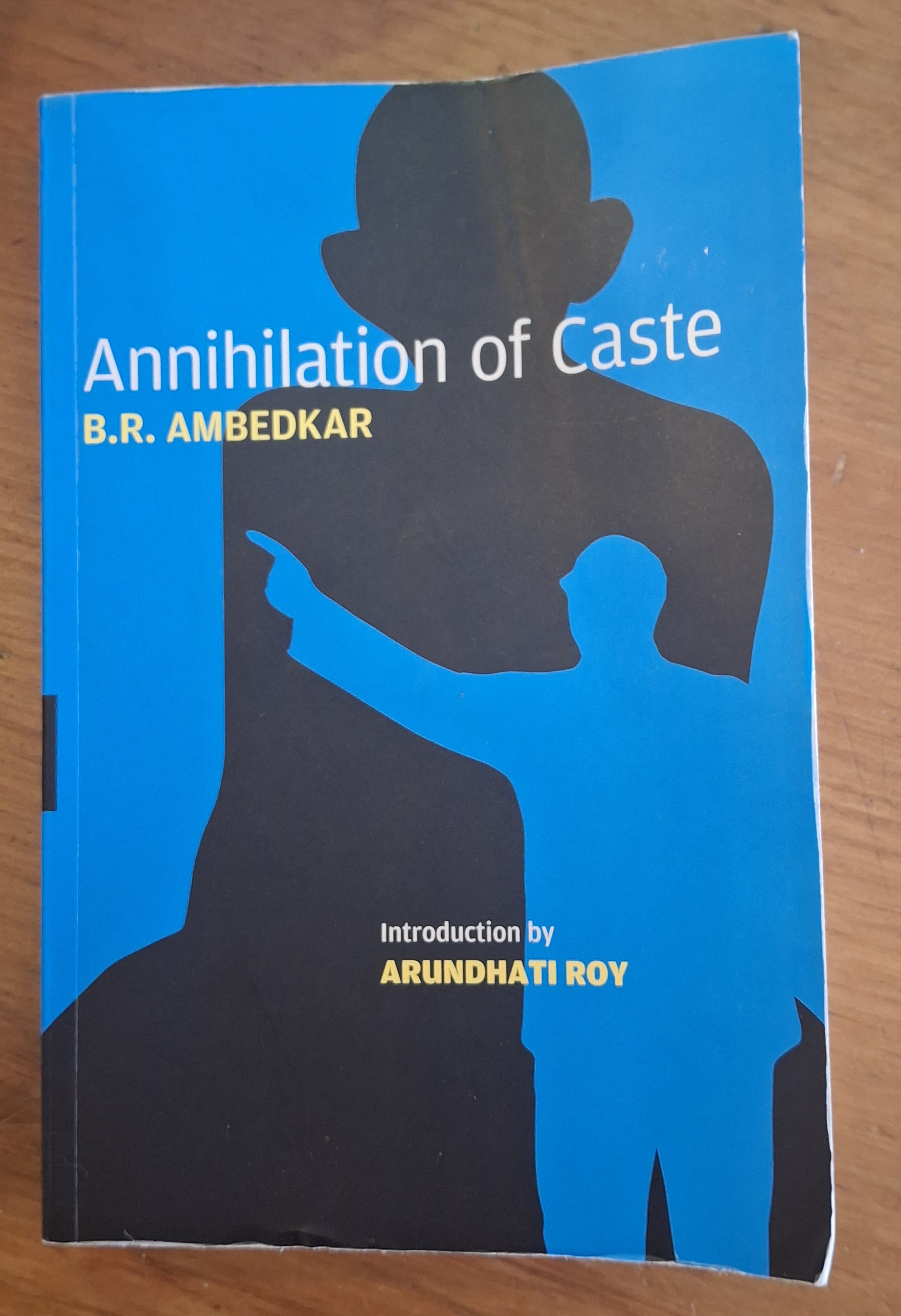
I also read about caste from a couple devastating books. The first was Annihilation of Caste by the great B.R. Ambedkar, a Dalit jurist, economist, and activist who was the chief architect of India’s Constitution. This book is actually a speech Ambedkar was supposed to deliver in Lahore about uprooting caste. The speech and long introductory essay by novelist Arundhati Roy do a thing that will shock many: criticize Mahatma Gandhi. Who was after all a politician, not just a martyr or saint.
The other book was Caste: The Origins of Our Discontent by Pulitzer-winning journalist, Isabel Wilkerson. This 2020 book compares India’s caste system to racist structures in the US and Nazi Germany. As a Jewish North American who spent time in India, the explicit links between these three things shocked me. My ignorance made me shudder. I get that, on one level, why would I know about caste when it isn’t talked about here? But that’s precisely what made me shudder.
I recommend reading these books but won’t get into either here too much. They’re quite overwhelming. For example, Arundhati Roy claims in her intro (page 24) there are about 4,000 endogamous castes and sub-castes in Hindu society, each with its own specified hereditary occupation. I knew about Brahmins and Dalits, but nearly 4,000 castes?
A funny thing happens to white people who spend time in India: you see and learn about many things so shocking you feel the need to discuss them, but there’s the overwhelming sense that you can’t fully understand what you’re seeing, which makes discussing it all difficult.
I can only scratch the surface when it comes to describing caste. This is anything but a full account, but I hope the following is accurate. With that in mind, here are some reflections based on my time there.
Seeing But Not Recognizing Caste
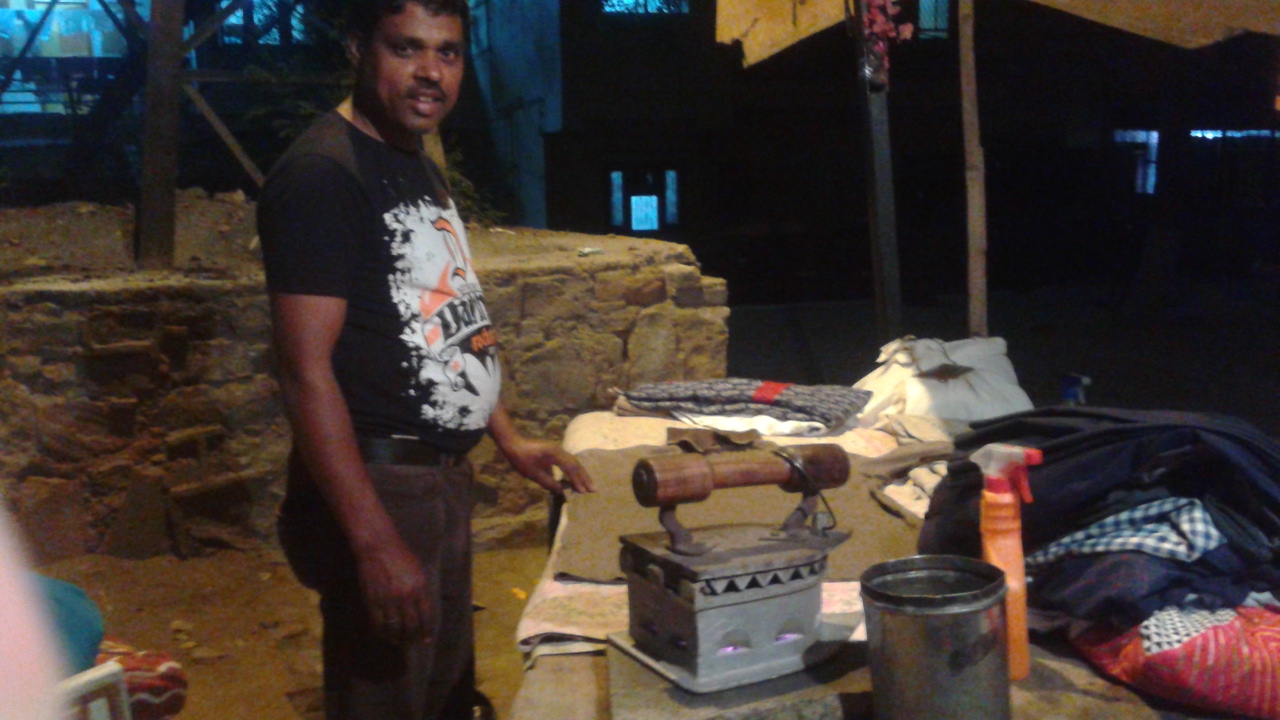
I didn’t explicitly hear about “caste” when I was first exposed to it, so I didn’t categorize it that way. My friend told me that the people ironing clothes in his sector with coal-filled charcoal irons descended from a long line of ironers.
I didn’t grasp that he had no choice. Caste seemed, naively, like parents here passing on the family business to their kids. Many young people struggle to find a vocation and this seemed to have solved that—Indian society is so ordered because it’s predetermined. When people say that caste is the glue that binds the country, they must mean something like that.
Caste is practical, and does serve a purpose. That doesn’t make it ethical or acceptable! Far from! Ambedkar’s metaphor for caste was of a tower with no stairs or front door; residents live forever on whatever floor they’re born to. They can’t move up or leave. That the very thing taking away people’s basic freedoms is also the very glue holding the country together is what’s so troubling, and helps explain why so many people refuse to uproot it.
I got my shirts ironed for probably something like 10 rupees, 20 cents Canadian then. Dress clothes aside, I had never had my shirts ironed by someone else. To many, this arrangement is good.
My Radical Editor, T
When I think about caste I recall a conversation I had months later with my editor, still a very dear friend, Tathagata Bhattacharya. He’s a Brahmin, the highest caste, but he told me he doesn’t go for all that shit. “That’s easy for you to say!” I told him.
I thought I was being real. In my mind, nobody was pushing T to become a manual scavenger, cleaning feces in sewers without gloves or protective equipment. What I thought then was: caste is easy to denounce when nobody’s forcing it on you.
Of course it’s not that simple, I was dead wrong. Many upper caste Hindus genuinely don’t see that they benefit from systemic discrimination. They’ve fully internalized the caste system like fish who don’t know what water is because it’s so omnipresent. It’s what they breathe. It’s not necessarily that they’re going along with it, it’s that they think there’s nothing to go along with.
Like in many places, Indian society hides discrimination’s ugliest parts from sight, so its beneficiaries can enjoy it guilt-free. Caste is so baked into every aspect of society that pushing back against it is what’s considered radical because that means seeing it. Renouncing it and rejecting its privileges are rare. Going along with caste, refusing to acknowledge it, means going with the flow.
So now I appreciate how rare and great it was for an Indian editor to denounce caste. I was wrong to chirp T, even lightheartedly.
How did I land among an anti-caste editor in Zee Media, basically India’s Fox News? T is the son of the iconic and radical Bengali novelist, Nabarun Bhattacharya (Harbart is so excellent!), and the grandson of Mahasweta Devi, a legendary writer and activist. T’s radical pedigree helps explain his views on caste, even if he shares them with millions of Indians.
India’s political spectrum is vast, complex, and intensely regional. I was in New Delhi, the political capital in the North, which is nothing like Kerala, incidentally where Arundhati Roy is from, or Kolkata to the East, where T is from. Though upper castes do generally dominate discourse. My newsroom, like basically all newsrooms in India, was disproportionately composed of upper caste Indians.
WION, the international, English-language station where I worked, was extremely different in culture from Zee Hindi, especially the web desk where I was stationed. Liberal. Delhi journalists go through a revolving door of Film City news desks: News-18, NewsX, India Today, and NDTV. Apparently, WION was rare for having much less screaming at juniors. We were a tight knit group that had a very good time!
T had backbone about work matters, but never treated subordinates like he was above them. Personally, while growing up outside of India made me blind and distant to many aspects of caste, sometimes the distance makes you see things with clearer eyes, too.
Caste in the Office
Still, caste was far from eliminated. “Office boys” cleared away our glasses and mugs and ran newsroom errands. The systemic discrimination of caste exists alongside even the rosiest personal relationships; caste is about power, not how two people may get along. My attitude to the “office boys” was always laughing, despite the language barrier, but that isn’t the point.
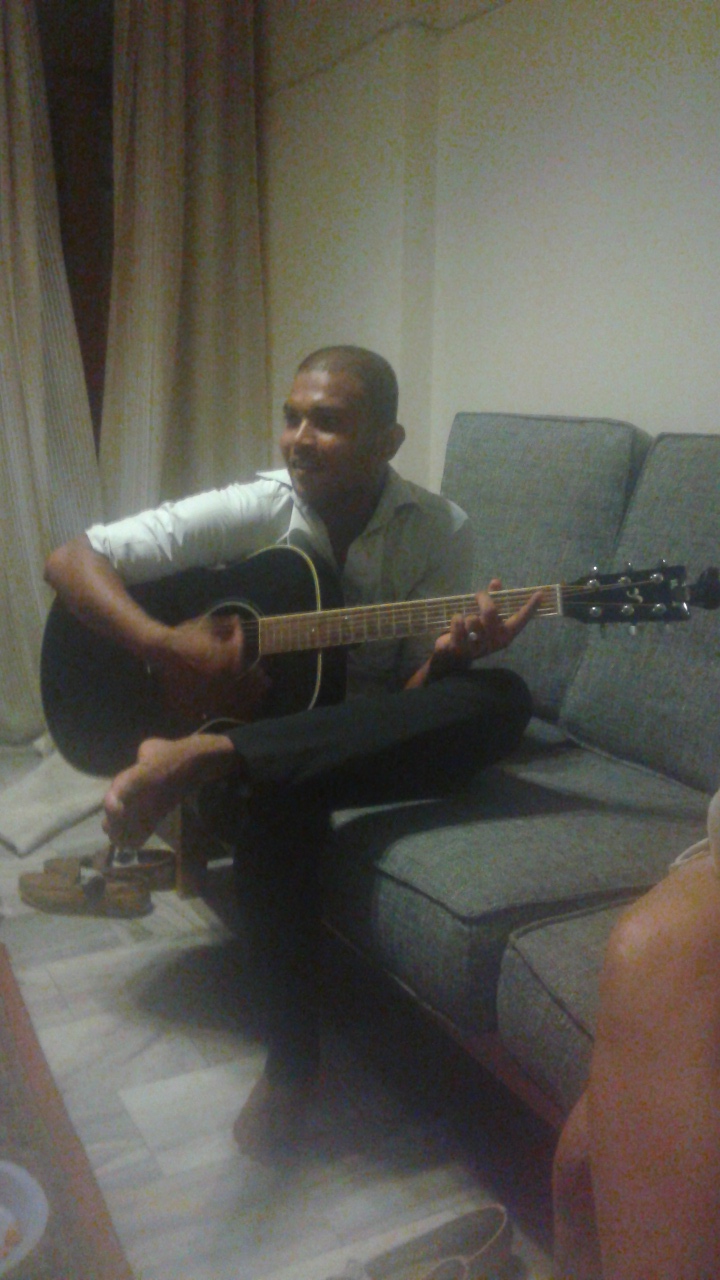
One time at an office party, which I hosted when I lived in the office guest house, I poured the “office boy” some whiskey and showed him some tunes on guitar. He was there to work, but still, it was a party in my home. For me that was ordinary, but I had the sense like I violated something. To my surprise, he gave me a friendly peck on the cheek! You see things like this in India. It’s also common for two guys to walk around holding hands platonically. It’s very surprising in this virulently homophobic country, and sweet!
None of this changes the fact that when I waltzed into this gentleman’s country, people saw me very differently than they did him. Power and personal dynamics are always distinct things. The point was never that everybody was mean or belittled them; it’s that if you had to bet on which caste the editor and the “office boys” came from, it’d be easy money.
You could just tell. “Office boys,” like many lower caste people, tended to be short, slight, and dark skinned. Last names signify caste, too. There are signs if you know how to see and hear them.
Caste dynamics weren’t only at play in the office among “office boys,” security guards, manual labourers, or drivers. Sometimes in the newsroom you’d hear someone rip into a younger journalist in a way that felt like it went beyond differences of opinion and reeked of caste, even if there was a professional pretext for the disagreement.
Maybe the caste system encourages clashes in other types of hierarchies, or makes people apt to adopt hierarchy in general. Some Indians bring unyielding caste attitudes to their workplace (which is anything but unrelated to caste) and look down on those below them in the pecking order, while being absolutely subservient to those above.
Of course non-Indians do this too! I don’t mean to single out Hindu Indians for being snobs or ass kissers. Caste also exists outside of Hinduism and India. It’s all quite complicated and hard to pin down.
Yashica Dutt is a Dalit and Dalit activist who writes for the New York Times. She’s great on this topic. A few years ago, California was considering being the first US state to explicitly ban caste discrimination. They didn’t. Caste moves with the diaspora. Anyone interested in understanding Caste more should read Dalits on the subject, or at least actual experts.
Undoing Caste
What should be done about caste, exactly? I’m not the person to speak to about the state of contemporary developments, I’ll just say people have disagreed for a long time. Indeed, Annihilation of Caste is Ambedkar disagreeing with Gandhi back in 1936, years before India became an independent country in 1947.
Ambedkar thought that caste needed to be entirely uprooted, unlike Gandhi and many others, who believed it could be accommodated for within the system. The liberal tendency is to believe in quotas or “scheduled castes,” basically affirmative action for historically disadvantaged groups. Upper caste conservatives want all affirmative action abolished for numerous reasons: tradition, identity, and “merit,” but in a way they conveniently seldom mention is self-serving—they are the “merit.” Radicals like Ambedkar want something outside of this equation entirely.
This echoes political discourse in the West and surely many other places. The root of just about all political disagreement is class, and caste is basically class, but actively formalized and forced. Annihilating caste requires a mental revolution, a mental backflip, in hundreds of millions of people. No wonder it’s so hard to bring about.
Cities vs Villages
It’s a cliché that caste is different in cities than in villages. I spent almost all my time in Delhi and can’t speak to it in rural contexts at all. But caste discrimination is found across India and even beyond, whether in subtle or grotesque form.
Arundhati Roy makes this point in her introductory essay (page 98) to Annihilation of Caste:
“Ambedkar believed that it was not just the stigma, the pollution—purity issues around untouchability, but caste itself that must be dismantled. The practice of untouchability, cruel as it was—the broom tied to the waist…was the performative ritualistic end of the practice of caste. The real violence of caste was the denial of entitlement: to land, to wealth, to knowledge, to equal opportunity.”
Roy references here the shocking practice of Dalits being forced to wear brooms around their waists, to sweep away their footsteps with each step lest someone of a higher caste foul themselves by walking in them. Yes, caste discrimination can really be that blatant! Some Western readers or those unfamiliar with caste may think opposing caste is only for a do-gooder trying to make an exhibition of their oh so lofty soul, when really, the discrimination can be so monstrously flagrant, they’d be in utter disbelief and up in arms too.
But Roy’s point, or really Ambedkar’s, is that caste must be dismantled because the heart of the scourge of caste is internal, even when the discrimination is this jaw-droppingly outrageous. For one thing, caste discrimination, the “denial of entitlement” mentioned above, is often internalized in both parties. It’s the air everyone breathes, even the victims.
Ambedkar’s Status Today
Roy observed that Ambedkar statues usually depict him holding a book, but it’s the Constitution of India, not Annihilation of Caste. Another of Roy’s observations has stuck with me, that the Brahmin Gandhi traded his suit for the dhoti to dress like the poorest of the poor, while the born-poor Dalit Ambedkar did the opposite, always donning a three-piece suit. Being born into wealth and power can makes a person feel inwardly assured of their role in society. They feel less of a need to look the part because they feel it. For Dalits, it’s the opposite.
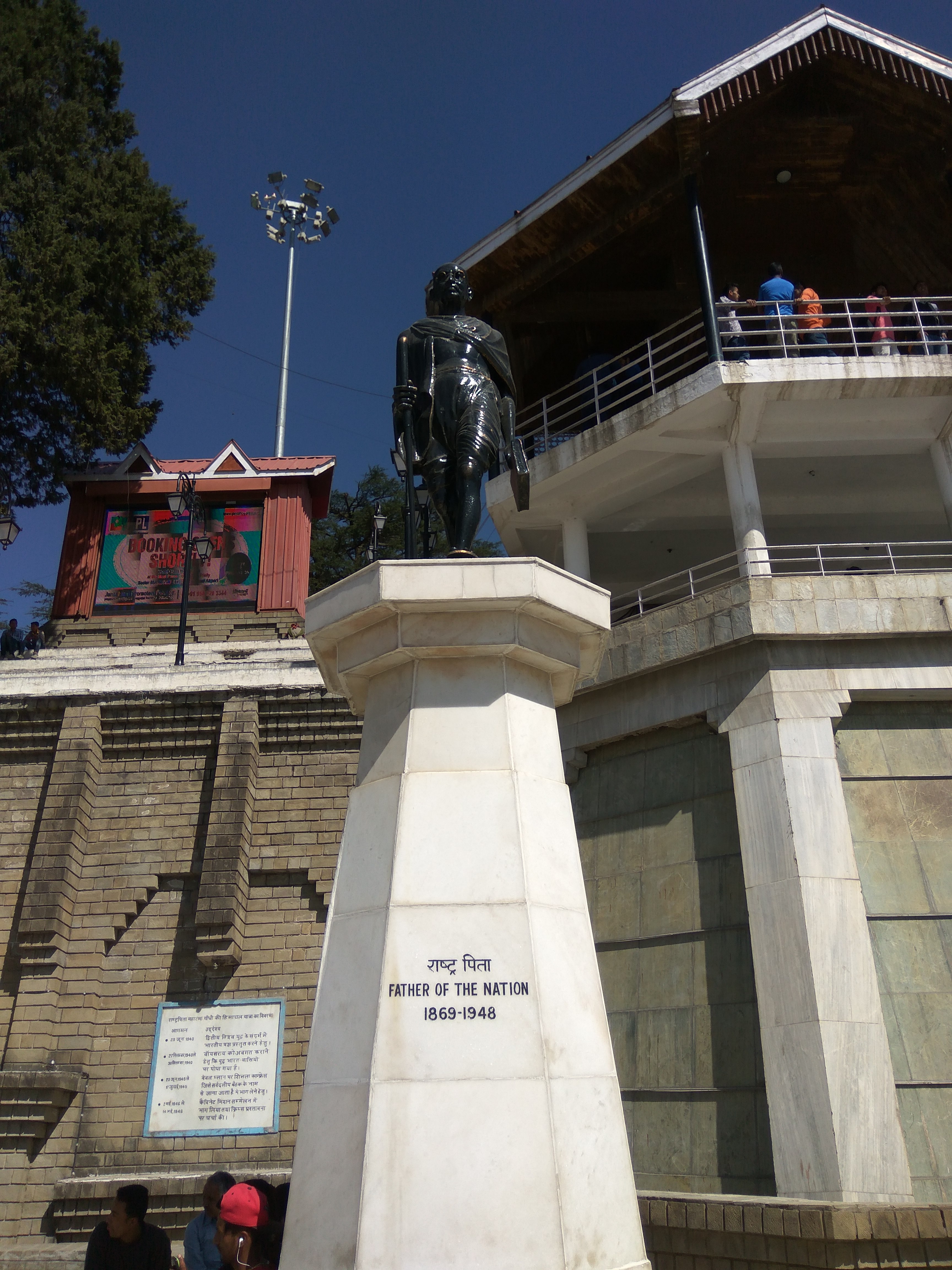
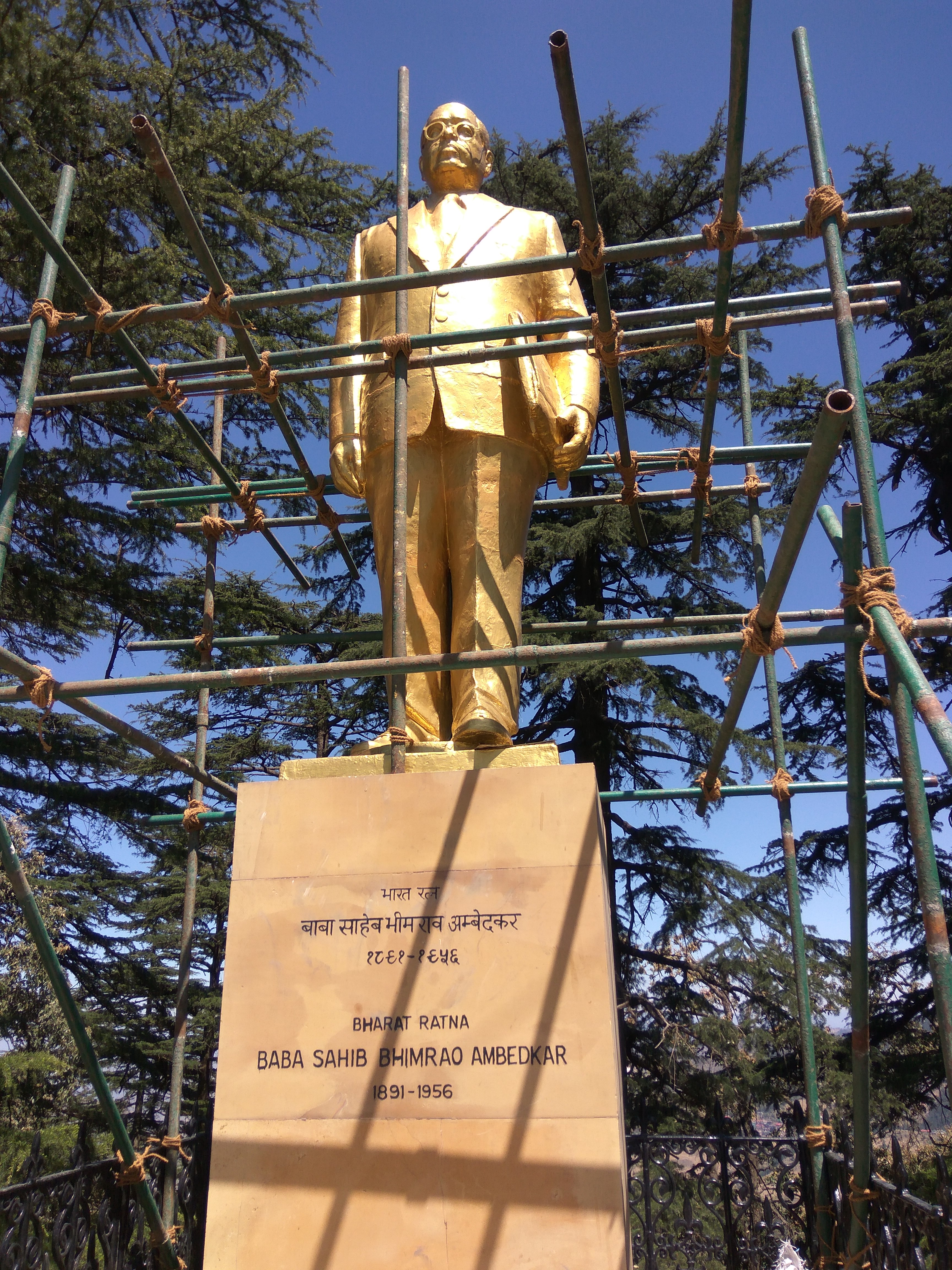
I saw this myself. In Shimla in 2017, in addition to a very enormous Hanuman, I saw a large noble-looking statue of Gandhi, glorified as the “Father of the Nation.” Note, the statue didn’t need to actually say “Mahatma Gandhi.” In a less prominent location I found a smaller, less grand statue of “Baba Sahib Bhimrao Ambedkar” still surrounded by scaffolding.
Is that not typical?
The modern cover of Annihilation of Caste reflects this same idea, Ambedkar in Gandhi’s shadow pointing an accusatory finger, contained within the image of Gandhi and all his overwhelming mythic power and global stature. Everybody knows who Gandhi is, even if they don’t really know his actual politics. In contrast, to put it lightly, Ben Kingsley didn’t win the Academy Award for Best Actor for portraying BR Ambedkar. Nehru and Jinnah were depicted in that three hour movie, but Ambedkar was left out altogether. He wasn’t even a supporting character.
My former ignorance about caste is sadly still all too common. I really hope that changes! I wish nothing but the best to anybody inside or outside India raising awareness about the great Ambedkar, and, of course, working to finally annihilate caste.
I recently read a wonderful Nilanjana Bhowmick essay defending reading culture in India, and while local issues about reading there are very different than in Toronto, much of it resonated. Nila was replying to a Guardian article, which claimed, “India hasn’t made the transition to a literate, book-reading class.” What a cheap shot. She had two main counterpoints.
The first was that India has over 120 languages and thousands of dialects, and reading works very differently there than in countries like the UK or Canada. Indians may read poetry in their mother tongue, policy in another language.
Canada has two official languages, even if there are 72 Indigenous languages and residents and immigrants here speak 400+. Still, French and especially English predominate.
But what I found very interesting was her distinction between a “reading culture” and a “reading class.” She cites US sociologist Wendy Griswold in saying a reading culture is one where people read to be “culturally competent and economically successful.” Basically, people read for practical reasons, to get cultural and professional information.
In contrast, a “reading class” is about a small group of people with the free time and education to read a lot for non-utilitarian reasons, for pleasure. Nila isn’t criticizing either mode, just making the distinction; Nila is a friend of mine, married to another friend, whose father and grandmother are iconic, revered novelists who each have enormous, passionate readerships.
Neither she nor I doubt reading is good, but I want to use her article as a jumping off point to discuss related things.
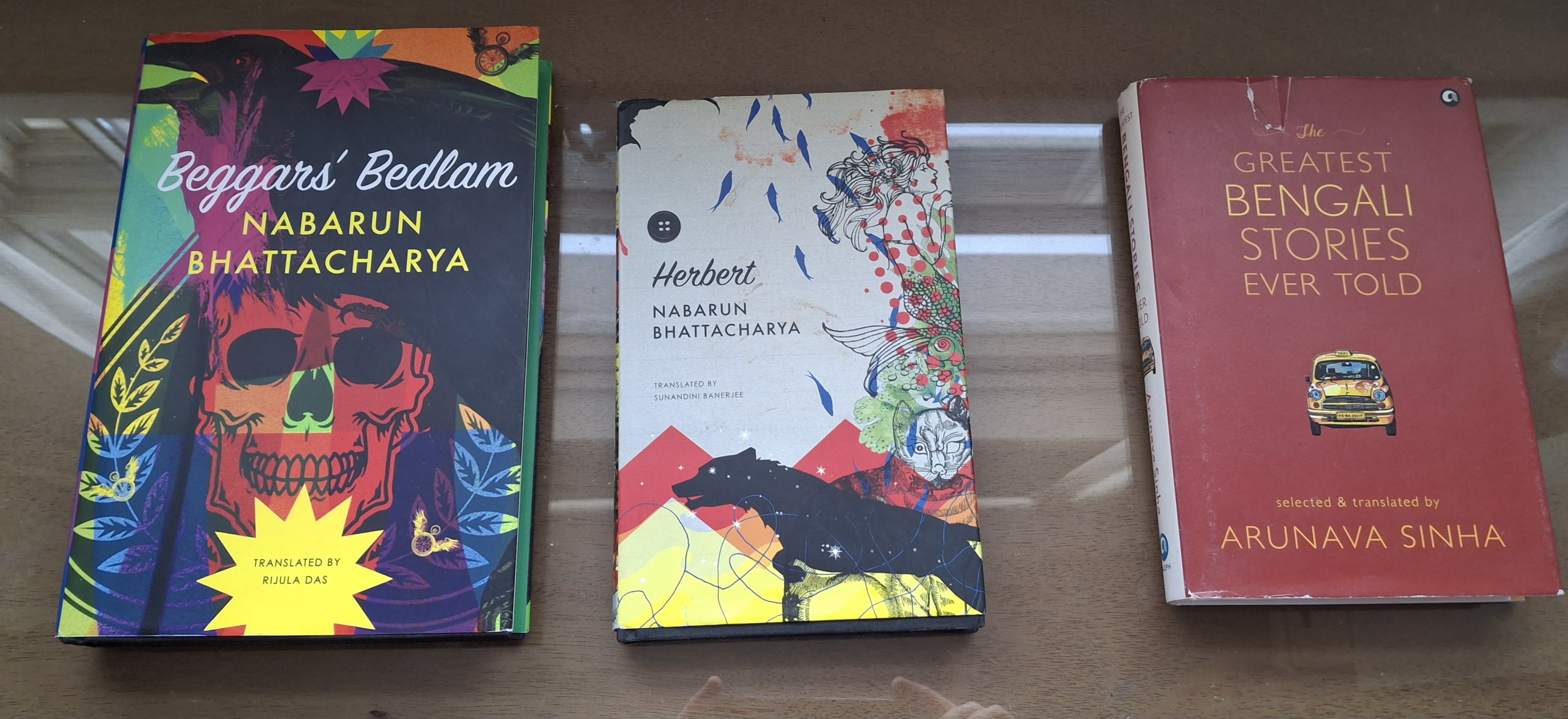
My cherished copies of some of Nila’s in-law’s books: Two Nabarun novels and short stories by, among other Bengalis, Mahasweta Devi.
Is Reading Privileged?
If reading is “privileged,” it’s because reading consumes a lot of free time. Reading a tome nobody’s talking about takes hours and mental energy people don’t have or don’t want to devote in our hurried, expensive world. In people’s small window of time, it’s understandable they want a break, maybe watch a popular movie or whatever’s streaming—something they can talk about with other people. All fair enough.
However let me take the opposite position, which I believe in.
Books are deeply affordable. A brand new book costs $20-45 dollars. You can buy used books for much less, $5-20, or even get them for free from the library. Copyrights expire after 95 years, so you can download old classic novels to an e-reader for free. In a world of $20 sandwiches, how can such a rich pleasure that’s almost free like reading be “privileged”?
The idea that reading Canon literature requires education can be true, but not necessarily. People who read highbrow stuff in university may be more likely to get into other heady stuff later, but it’s still just sitting on the shelf for everybody. That old classics cost virtually nothing is probably why they’re not advertised to people en masse! If you can have a beautiful, formative experience without spending money, why spend money on anything else?
And before radio, TV and the internet, people across classes commonly read what today would be considered rarified stuff, like Milton’s Paradise Lost or the Romantic poets. Digital technology probably shapes reading habits more than “education.” How can people not have enough free time to read in a world where, between work and recreation, the average Canadian spends 5.5 hours every day looking at a screen?
How Do You Measure Reading?
Kids naturally spend way less time on screens (they don’t have jobs), and I’m sure unpacking the data surrounding screen times would paint different pictures for different demographics, but the thrust remains: people spend a lot of free time on screens that could be spent in other ways. If books were as addictive and omnipresent as social media, I’m sure people wound find more time for reading them.
Nila makes the point that it’s difficult to measure how a society reads. How do you gauge it, exactly? What metric do you use? English books sales? Book fair attendance?
Reading is such a personal, esoteric thing that defies easy quantification. Measuring sales isn’t the same as measuring reading. If a person buys a book they never open, that will register in economic data about book sales, but if a person borrows a book that changes their life, that won’t show up in any stats. Two of my favourite books I paid $1 each for, one from a book sale at my local bank (Barney’s Version), the other at an antiquarian book store’s closing sale (Divided Soul: The Life of Gogol).
All I know is that reading is rightfully and universally considered one of the most beautiful, important things a person can do. Whatever the book. “Critical thinking” is supposedly universally valued too, so it’s funny to have to defend the very idea of reading, or a certain type of reading.
Everybody knows reading to children is crucial to their development and can only be a great thing to do. I get why reading is “privileged” as you get older and responsibilities grow, but reading doesn’t stop being wonderful. If it’s a privilege, it’s certainly not a hollow or bad one. May we all enjoy such privilege in life!
It’s hard not to think that if Big Business profited from people reading voraciously, reading would be talked about and marketed in a way it currently isn’t. Today, luxury consists of comfortable travel to posh places, exclusive gourmet dining, couture or designer clothes, luxury cars. People are supposed to aspire to these things, and be seen consuming them, if not in real life then on social media.
There are even lesser tiers of expensive things marketed as less hollow “lifestyle” products that people “deserve” because they’re “worth it.” Skin creams, spa treatments, branded accessories, premium home goods. You know.
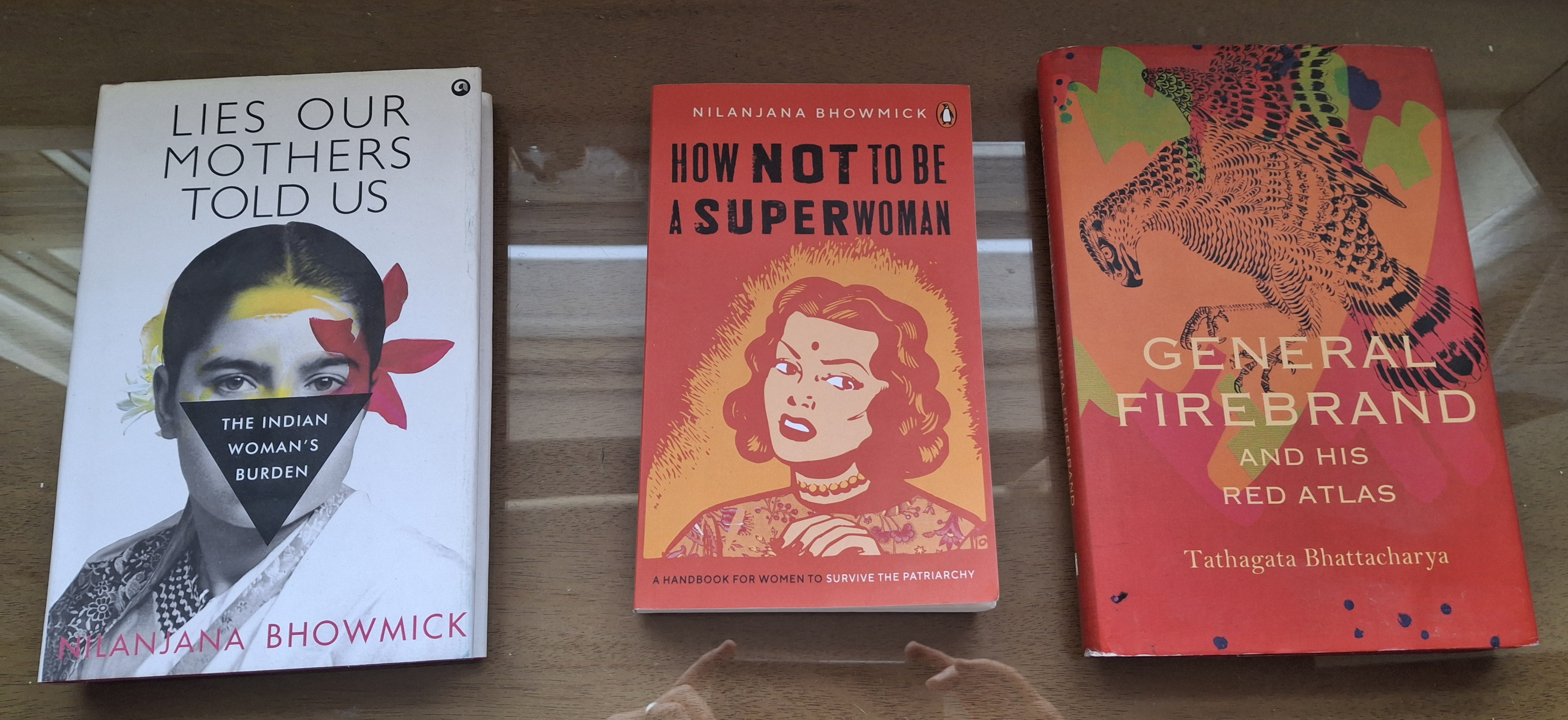
My cherished copies of Nila’s wonderful books and her husband T’s debutfiction.
Everybody deserves to read, too, but that’s seldom on these lists! Read widely, not just the latest best sellers, which sometimes are promoted. Reading is pushed as something you do on a beach vacation—you get the free time to read, but only after paying for flights and hotels. In a money hungry world, the only real currency there is or ever will be is time.
“Performative Reading”
I don’t know how saturated in online discourse you need to be to have encountered the term “performative reading,” but apparently that’s when a person goes to a bar, coffee shop, public transit or any public place and reads a book they want to be seen reading, supposedly to signal what kind of person they are or aspire to be.
I hate this notion for several reasons.
First, on a basic level, fuck off. That argument alone is enough for me. People can do what they want without concealing themselves at home. It’s absurd to think otherwise. I don’t want to live in a world that automaticaly attaches that kind of hollow consumer subtext to every human behaviour and activity.
But even to play that game, isn’t signalling who you are by your consumption patterns supposedly the entire basis of our society? People work for years to afford a certain kind home, a certain kind of car, certain kinds of clothes, and that’s fine, but…reading a book in public somehow crosses a line?
Again, it’s hard not to notice that we accept or even praise consumption patterns that benefit industry, and mock what don’t. Hopefully I’m having a one-sided argument aloud with myself here (I do that sometimes), and we all agree the idea of “performative reading” is not real or that it’s dumb. That’d be lovely.
Nila concludes that Indians read in ways that suit them, given the economic conditions they live under. I’m sure she’d agree that if reading is a privilege, it’s one we should all enjoy and be given space to enjoy. Those of the reading class shouldn’t judge reading cultures for being dumb unsophisticated philistines because maybe they haven’t read the Canon, just like those in reading cultures shouldn’t judge those in the reading class for being snobs or dorks with too much spare time on their hands.
All reading is good and we all need to chill out, judge less and read more.