• About the Author
  • Books
  • Vinyl
  • What the critics say about Jeff

Jeff Halperin

Jeff Halperin

Tag Archives: trump

Demonetization and the 2016 US Election

06 Friday Feb 2026

Posted by jdhalperin in Uncategorized

≈ Leave a comment

Tags

2016 US elections, Demonetization, India, Malana, Pushkar, travel, trump, WION

You already know the results of the 2016 US election but I promise you, my perspective on it was entirely different. Most North Americans don’t know what “demonetization” in India even was, which began that very night. These are really two interconnected stories, both of which were shocking.

In 2016, I was the lone North American on the WION web desk, so it fell to me to write about the US election for the site. The week leading up to the election, I volunteered to work the graveyard shift, 10pm-7am, to be in synch with North American time. 11pm Delhi time is 9:30am in North America. That way, the website would have news as it unfolded.

The evening of the US election, the entire team volunteered to stay up all night on the graveyard shift. As major as that US election was, that wasn’t the major news story of the evening: at around 9pm, without any warning, the Modi government announced that 87% of the paper bills in circulation would suddenly no longer be accepted as payment, starting at midnight. This was known as “demonetization.”

People’s cash wasn’t suddenly valueless, but they had to swap their old 500 ($10 Cdn, roughly) and 1,000 rupee notes ($20) to their bank, and if the total money was over a certain amount, explain how they got them. But people couldn’t use their old bills to make purchases.The government issued new 500 notes and phased out the 1,000 rupee bill altogether. 10, 20, 50, and 100 rupee notes would still be acceptable.

Nobody in a country of 1.3 billion people saw this coming! People panicked. A lot. Whatever the rules were for what to do next, they weren’t immediately clear to all. The justifications for such a massive, drastic policy also kept shifting in the days to come.

First, demonetization was to crack down on terrorism. Supposedly, terrorists would have all these old bills they couldn’t launder, couldn’t explain to a bank how they got them. Next, it became about cracking down on black money and tax avoidance. Shady industrialists were supposedly the target.

Then it became about transitioning people into using the banking system and digital payments. When Big Business comes to India for its enormous middle-class, they expected people to pay via tap, rather than submit crumpled rupee notes. Along these lines, in addition to a new 500 rupee bill, India issued a brand new note of a higher denomination, 2,000 rupees ($40 Canadian).

The web team’s all-nighter to cover the US election was thrown for a loop, as this mammoth national story overtook it. That wasn’t the last surprise of the evening.

So maybe around 6am, my editor and good buddy Tathagata and I went down to the caf to get the team some snacks. Of course there was a problem; we had invalid bills! Right.

We had been covering demonetization for hours, but what was happening didn’t really hit until we went to pay for something and it affected us. I scrounged up my last hundred rupee notes to buy some egg bhuji, shaking my head. Suddenly I was living in a very different world.

Then minutes later I got upstairs and they announced Trump won the election. Suddenly I was living in a very different world. Holy shit. This is 2026 now, we’ve all lived through some truly shocking events, but right then, I’ve never had the rug pulled out from under me like that. It was a double whammy, back to back shots, each punch seismic.

Colleagues wondered why I looked so devastated. I wasn’t crying, but I had been following Trump closely from the start of his campaign, and frankly you didn’t need to to know the world would never be the same again. Anybody could tell Trump was a cerified fascist just from the way he decorated his living room.

I couldn’t take it and left the building. I really couldn’t be there anymore, writing stories like things were normal. It had been the end of a very long week and I was heading into a couple days off and decided I absolutely needed to take them now.

Grim news aside, working from 5am-2pm in one rotation, then 2-11pm, only to work the graveyard shift will turn anybody’s circadian rhythm upside down at the best of times, especially because my friends and family back in Canada were 10.5 hours behind me at any given moment, adding another dimension of disorientation.

I needed to get away. As it happened, I had recently gone out with a sweet girl I met on Tinder who told me she also wanted to get away for a bit, to Ajmer and Pushkar, Rajasthan. It was the Camel Fair, an enormous annual festival where people from across India assemble with their livestock and camel decorations and much else. It was settled, we’d go together.

One practical question first though was, how to get money? India relied overwhelmingly on cash, which meant vendors couldn’t necessarily accept debit or credit card. I only had so much cash and getting more was the question of the day.

In the first days of demonetization, everybody was desperate for cash. No joke, people lined up for days at ATMs, there were reports of some people even dying right there in line because they had medical problems but couldn’t leave their spot–they needed money. It was desperate. You might wait for hours for an ATM to get cash, but the government limited how much you could withdraw at a time to 2,000 rupees. When an ATM did finally get cash, in places, the rush was like those old clips of Black Friday at the mall.

An Uber might be way more expensive than an auto rickshaw, but you could pay through the app, not cash. It was worth spending more money if it meant keeping cash on hand for essentials that required cash. This was a privileged position, a very rarified adjustment compared to what other people in India faced, but it’s what I was navigating.

Anyway, Gopika told me she was starting to kind of date somebody and was it OK if he came on the trip too? Sure, I told her I didn’t care. We had been on one date I enjoyed, but that was fine with me. When you’re working abroad it’s nice to hang with non-colleagues and get away from office gossip and shop talk, especially then. Companionship aside, it’s also nice to travel with people who speak the language and know the deal.

But when that dude found out I was coming too, he didn’t want to anymore, so in the end it was just the two of us.

First Escape: Rajasthan–Ajmer, Pushkar

I met her in Gurgaon, (“Gurugram” now, since Modi de-Islamified the names of Indian cities,) and we took an overnight bus to Ajmer. Walking around that place in the morning was wild! When you touch down in India, you equate the first place you land as “India” because it’s your first exposure to the country, but India’s impossibly vast, places are radically different from each other, and they’re all “India.”
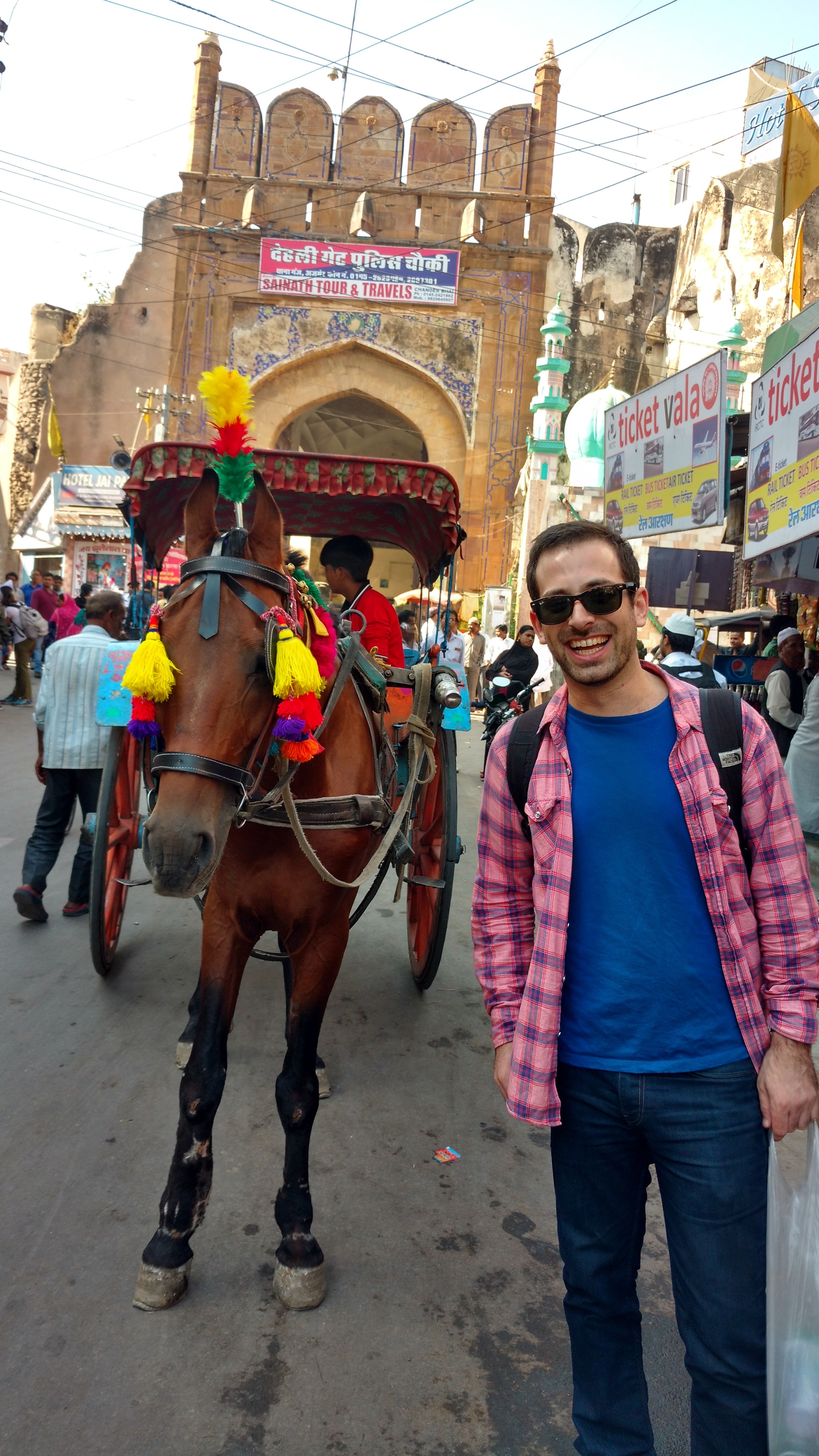

Rajasthan was so arid, the animals felt closer in the streets and different. I didn’t realize that I had a grasp on what kind of cows Delhi had until I saw the strangeness of other cows and bulls here, and one really gnarly wild boar just walking around. It was November, so it wasn’t hot out. Winters in India are what summers are here, the pleasant time to be outside.

I also laughed seeing a dude wearing a “Bury Me In My Ones” t-shirt with a Nike Swoosh, which a curated vintage store here could sell for $100+. It’s hard to explain this and I don’t mean to sound judgey, but I sensed this fella was not a hip dude aware that he was rocking vintage 90s streetwear. I doubted that he knew what Air Force Ones were. He just had a killer North American t-shirt that somehow ended up in India, like a lot of clothes. Western clothing brands get recontextualized there in a way I really like. Once I saw a woman on the Delhi subway with a bag bearing Prada and Gucci labels.

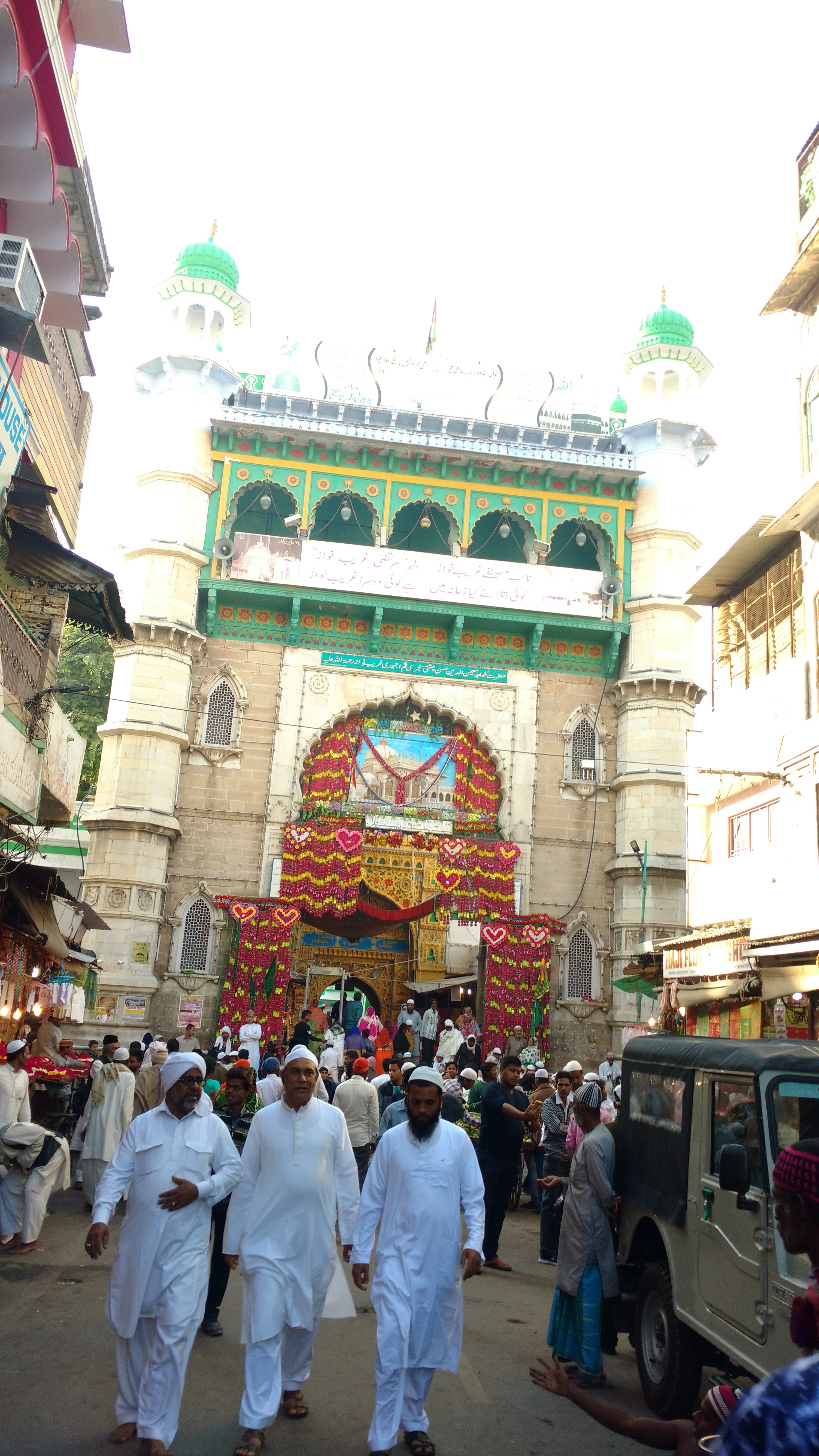
Anyway I loved Ajmer and was quite in awe. We went to a famous, beautiful mosque. You feel the hum that comes with being in an old, sacred place where people do today what they’ve done for many years.

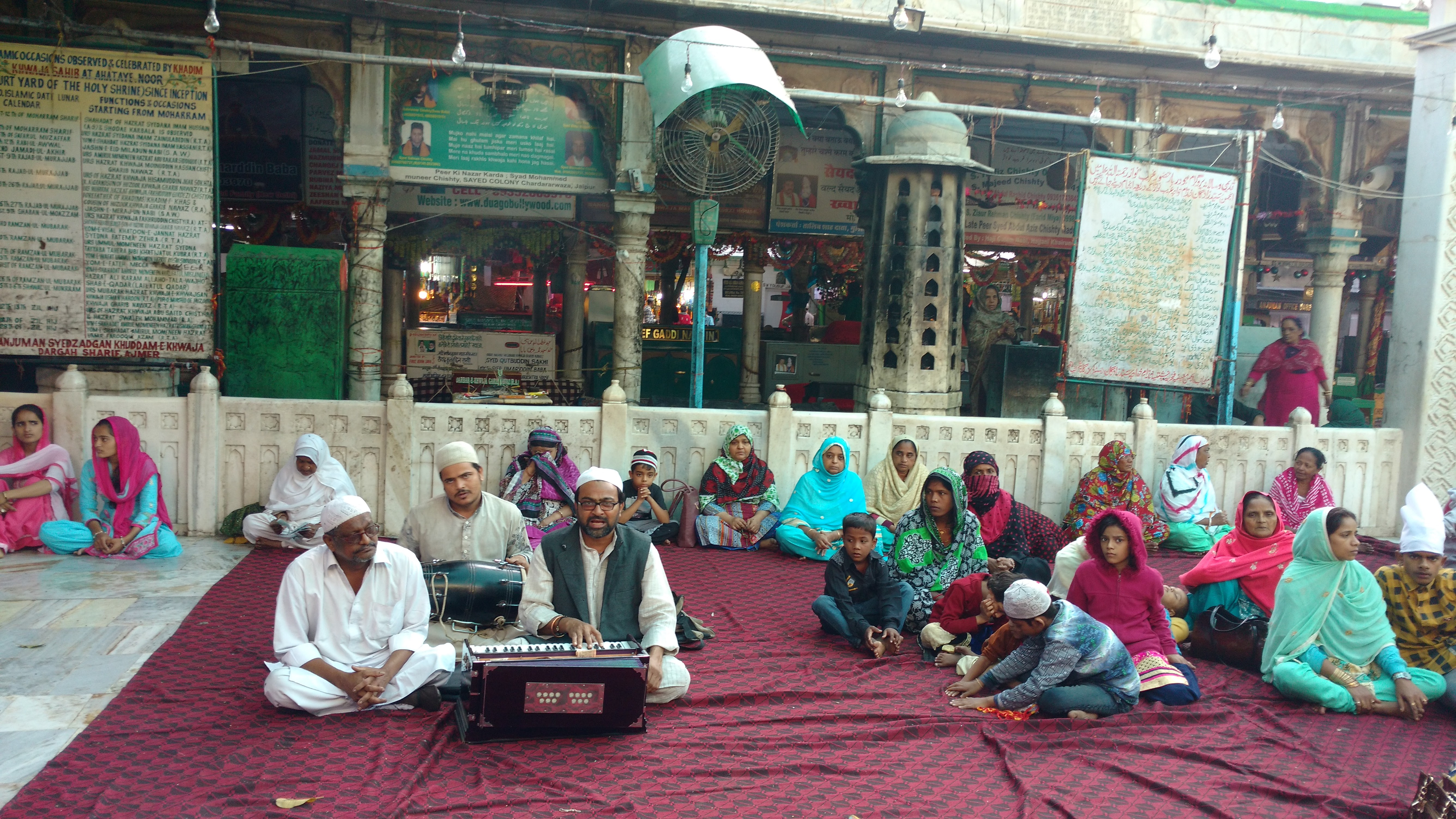
You don’t always need a detailed history of what you’re looking at it to feel this hum. I’m not excusing ignorance, just you’ll never understand everything when you travel, and succumbing to the pressure of trying to is futile. I’ve learned to just enjoy it without needing a tour guide type of explanation for it all. The musicians in the mosque playing the harmonium and percussions were really cool.

We got to Pushkar later that day and stayed at the Pink Floyd hotel. It was a rock and roll themed place with none of Delhi’s buttoned-up culture. Things were loose, very loose. I explained to the proprietor that because of demonetization, I didn’t have much cash, but I was on the lookout for more. “No problem,” he replied, “we’ve got lots of hash here, man.” That was like the one time in my life that really wasn’t what I meant.
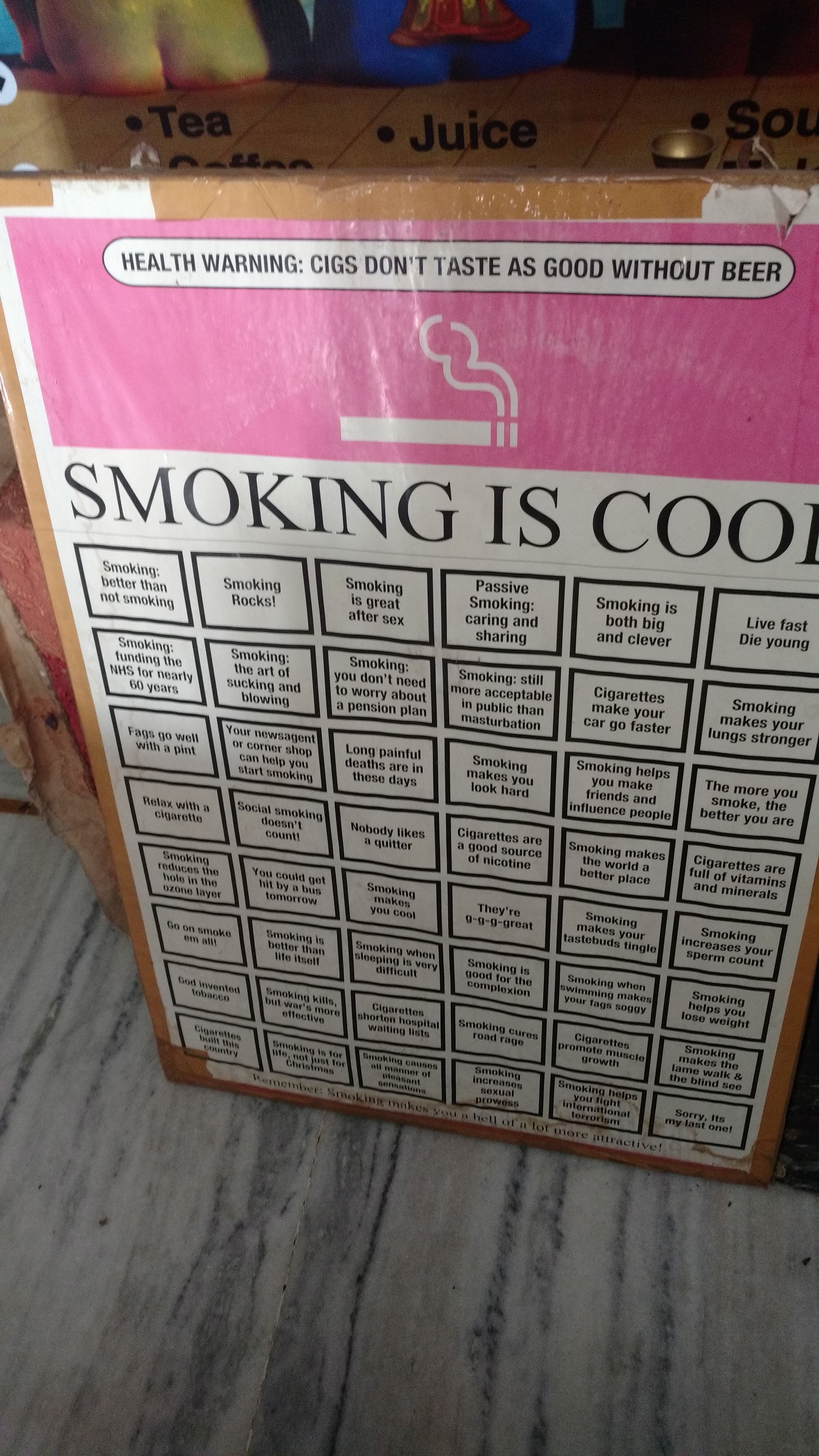

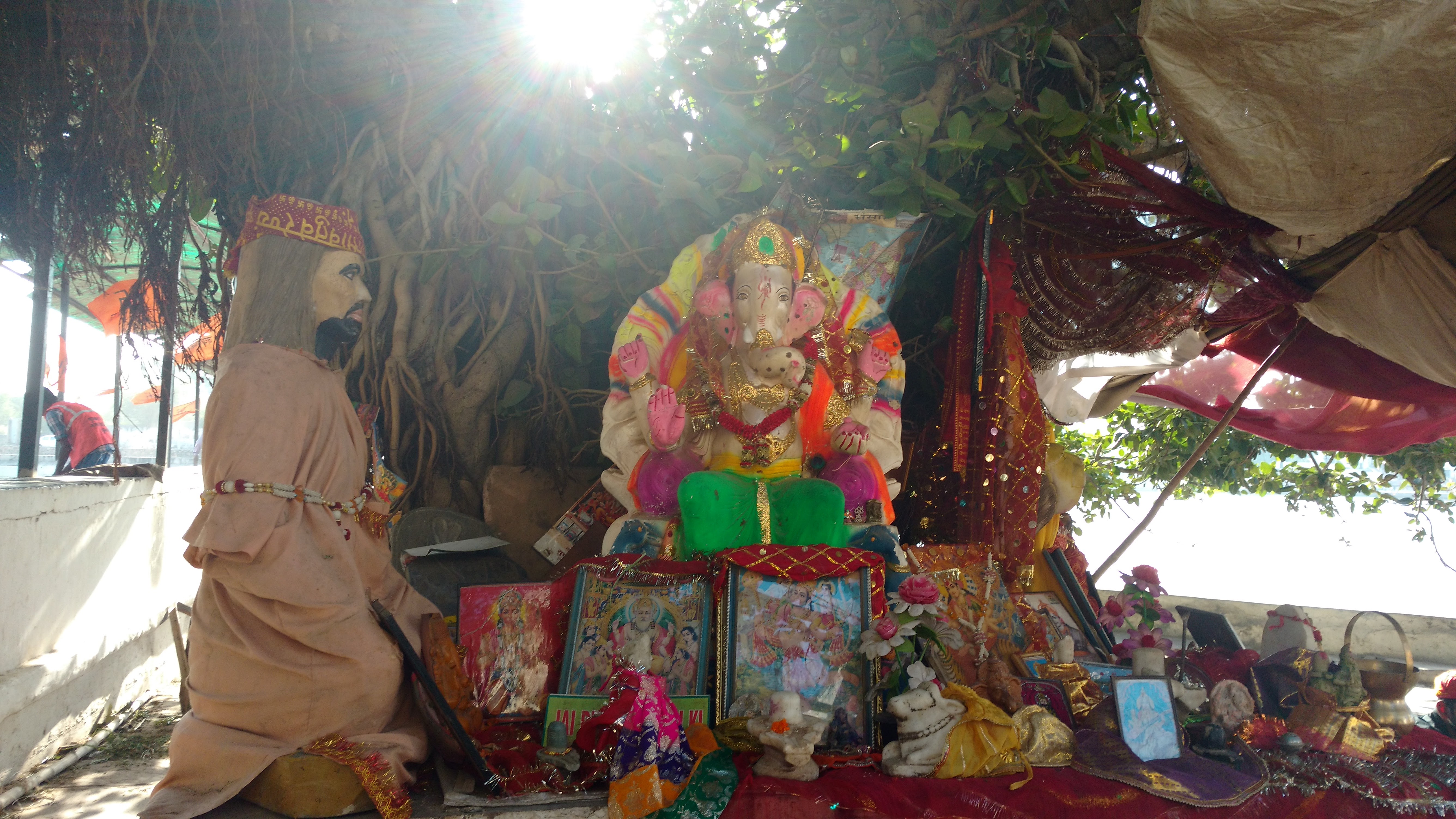
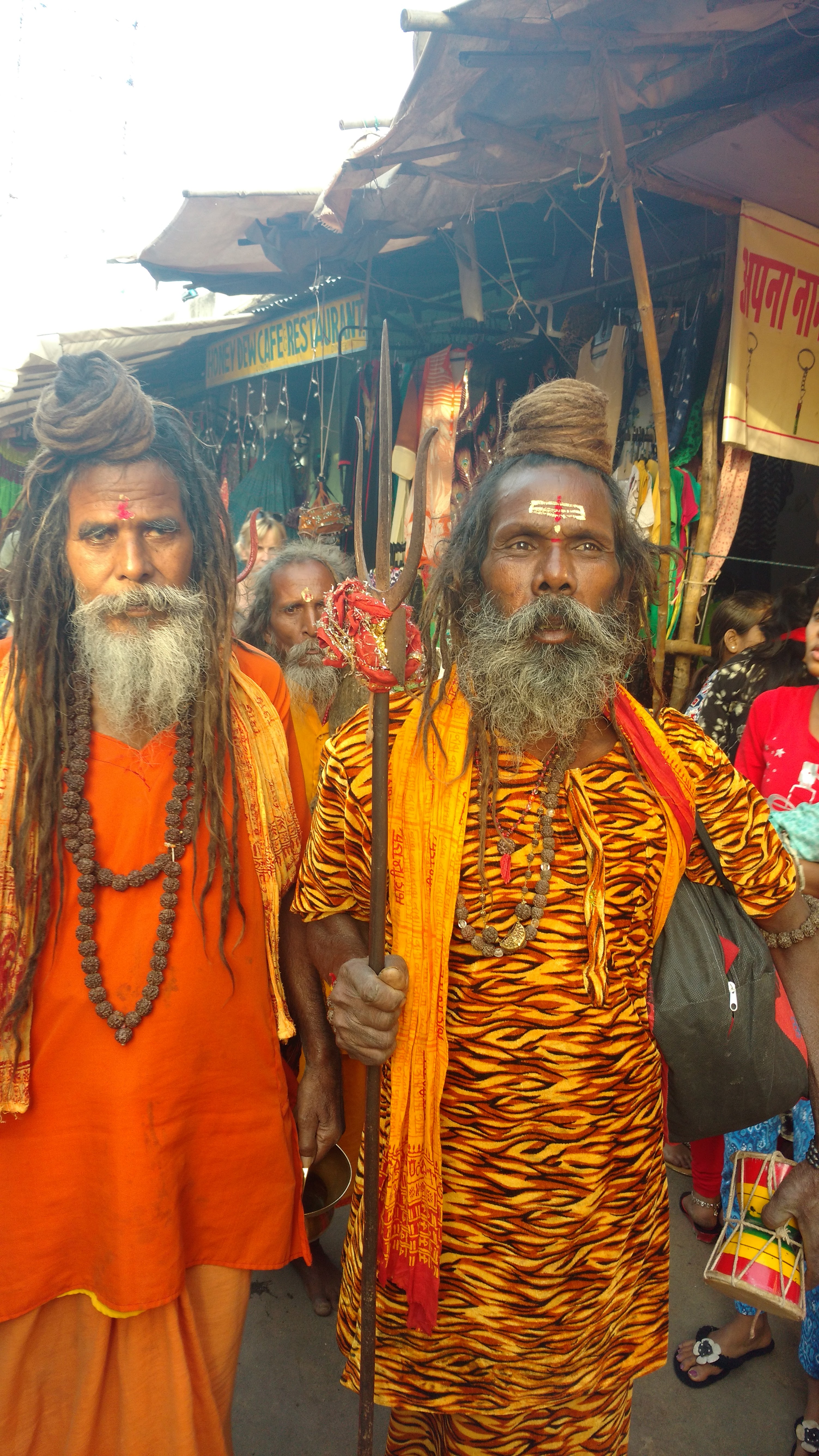
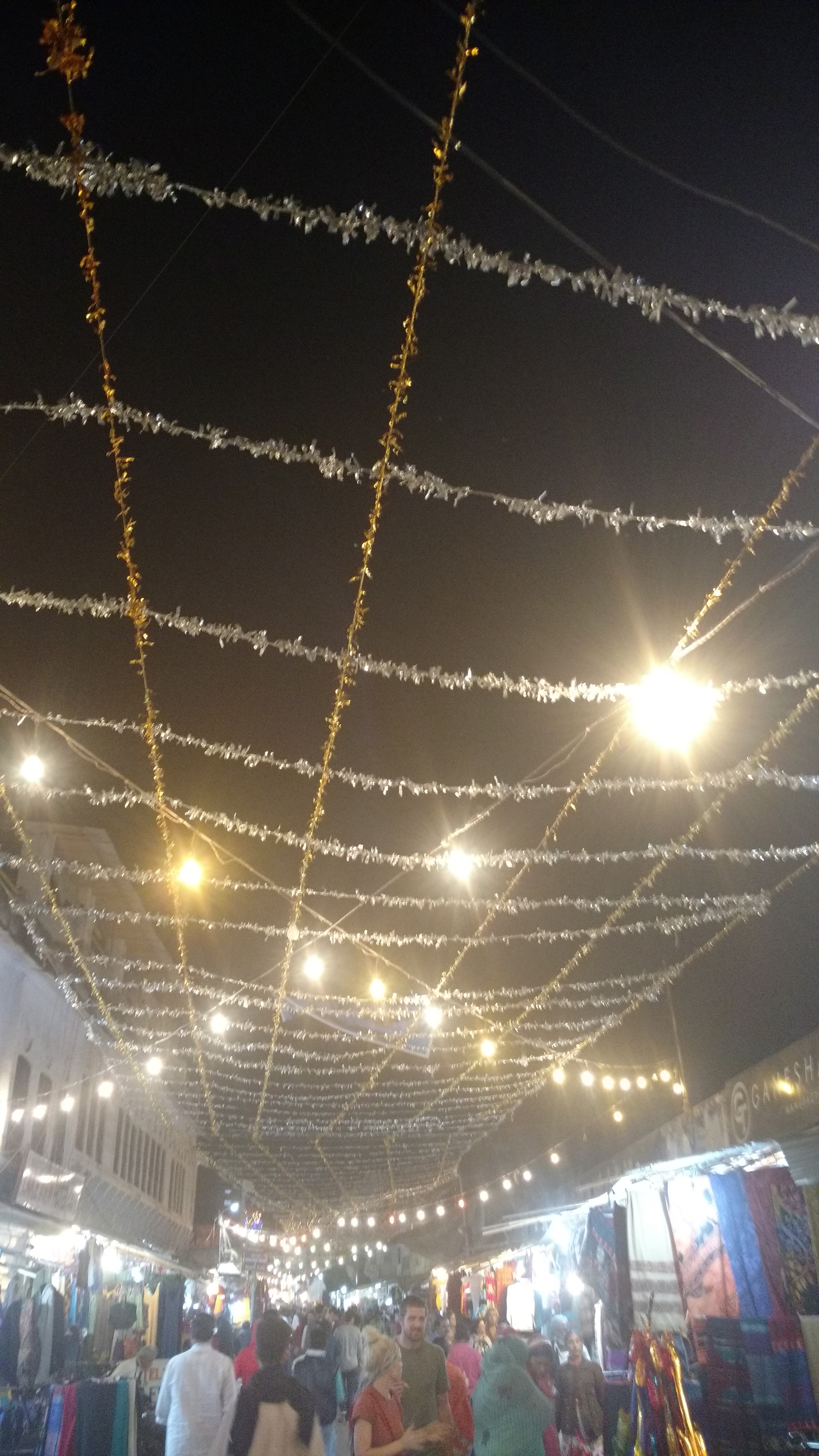
We checked out the famous lake with god men and babas around. Just walking around there was like a miracle. So invigorating and stimulating. The markets were bustling, but there was also a real calm. The calm wasn’t entirely healthy: demonetization had put a damper on things. There were fewer camel merchants and business in general was slower than usual.
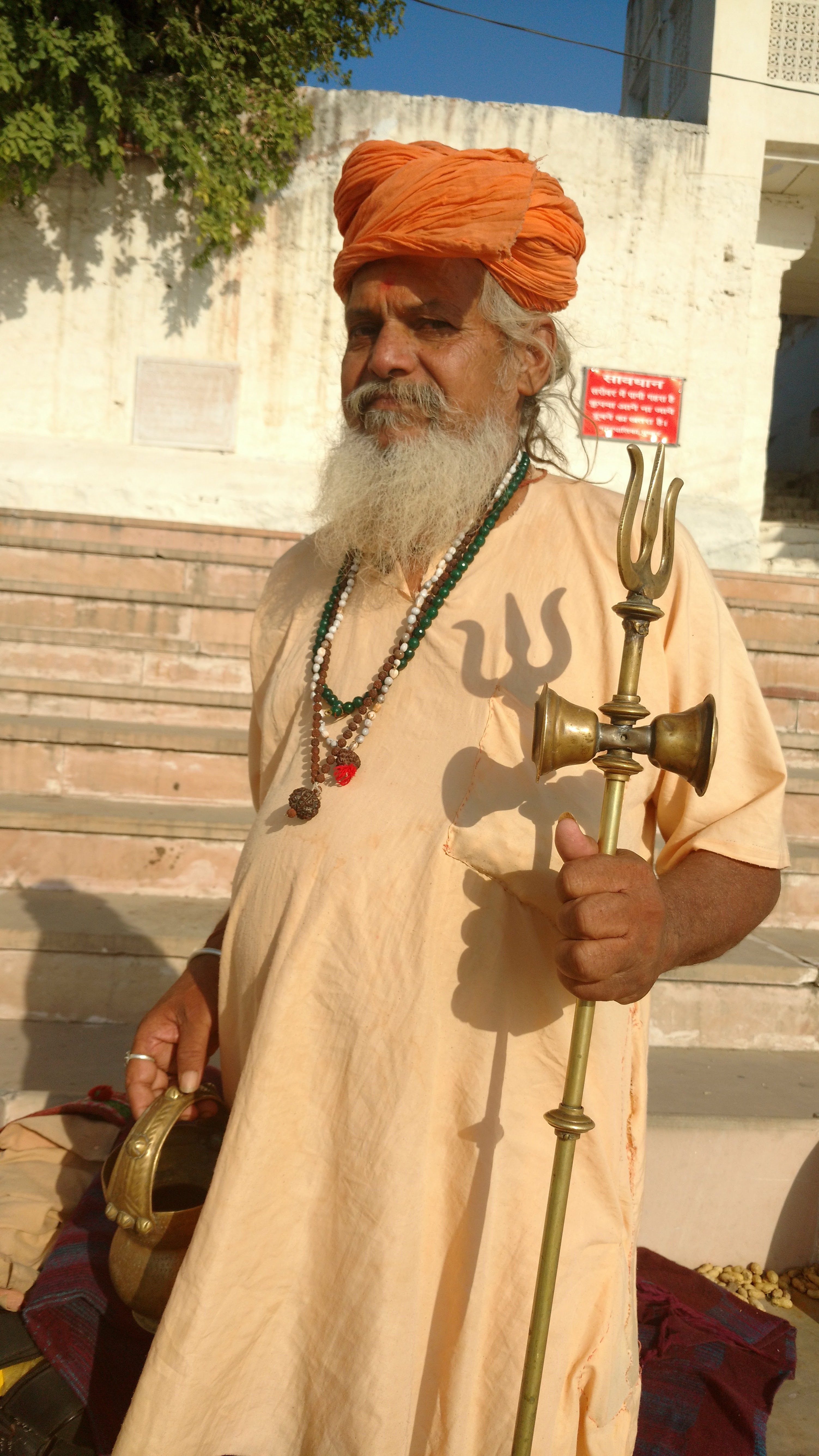

You see things that you just don’t see here. I probably saw 100 things that day that all seemed unforgettable, and they merge together and now I feel the impression they made, even if the particulars are foggy. But going to rooftop cafes for a cold beer, some nice food, and incredible views in every direction was great.


The next day we went on a brief camel ride through the nearby desert dunes. I had never been on a camel, and the clothing these camels wore was truly incredible. Vibrant and bold funky ass camels, cooler than that 90s rare gear copper! Gopika and I were having a really good time, just talking and stuff. If there was anywhere to get your mind off the rest of the world, it was here.


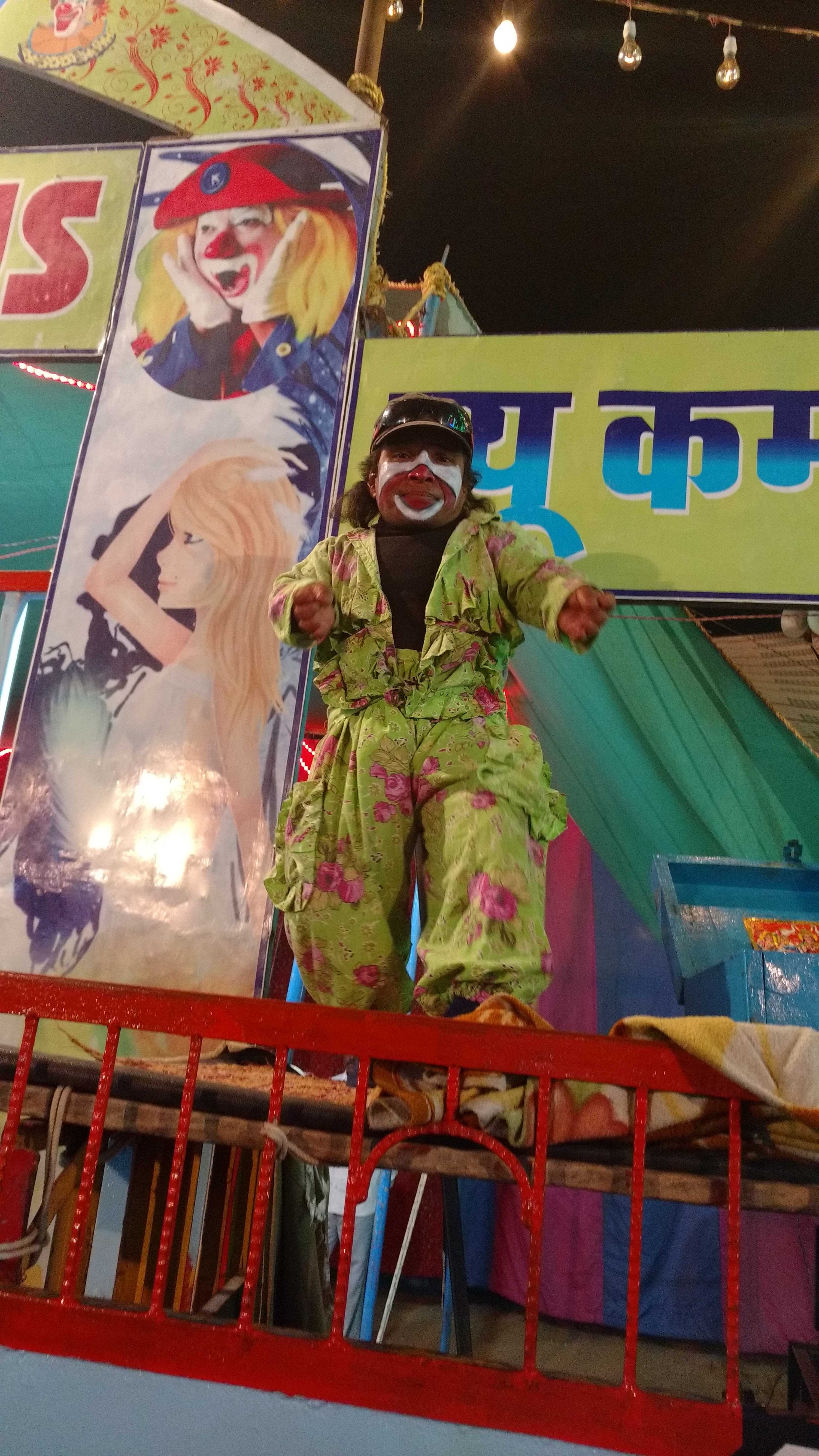
A carnival was in town with the Camel Fair. People selling wares, young girls tight-rope walking with bowls on their heads, that sort of thing. We went on a cool Ferris wheel. We smoked some hash and watched a really exuberant, short gentleman outside the circus tent dance and hype everybody up. Inside the tent was a sketchy, eyebrow raising performance.

You know those old roller coasters that aren’t particularly big or fast, but they’re scary because they’re old and rickety and may collapse at any second? That was the vibe of these daredevil carnies. Juggling fire was fine, but they balanced on bikes high up on small supports and did other jaw-dropping stunts without a net.

The scariest thing was the finale, a man throwing knives at either side of a blind-folded woman’s face, into a wooden board behind her. That cool thing where the knives whoosh and spin and become embedded in their targets mostly didn’t happen. Instead they hit with a clunk and fell to the floor. It didn’t inspire confidence and I was so relieved for that woman when it was over.
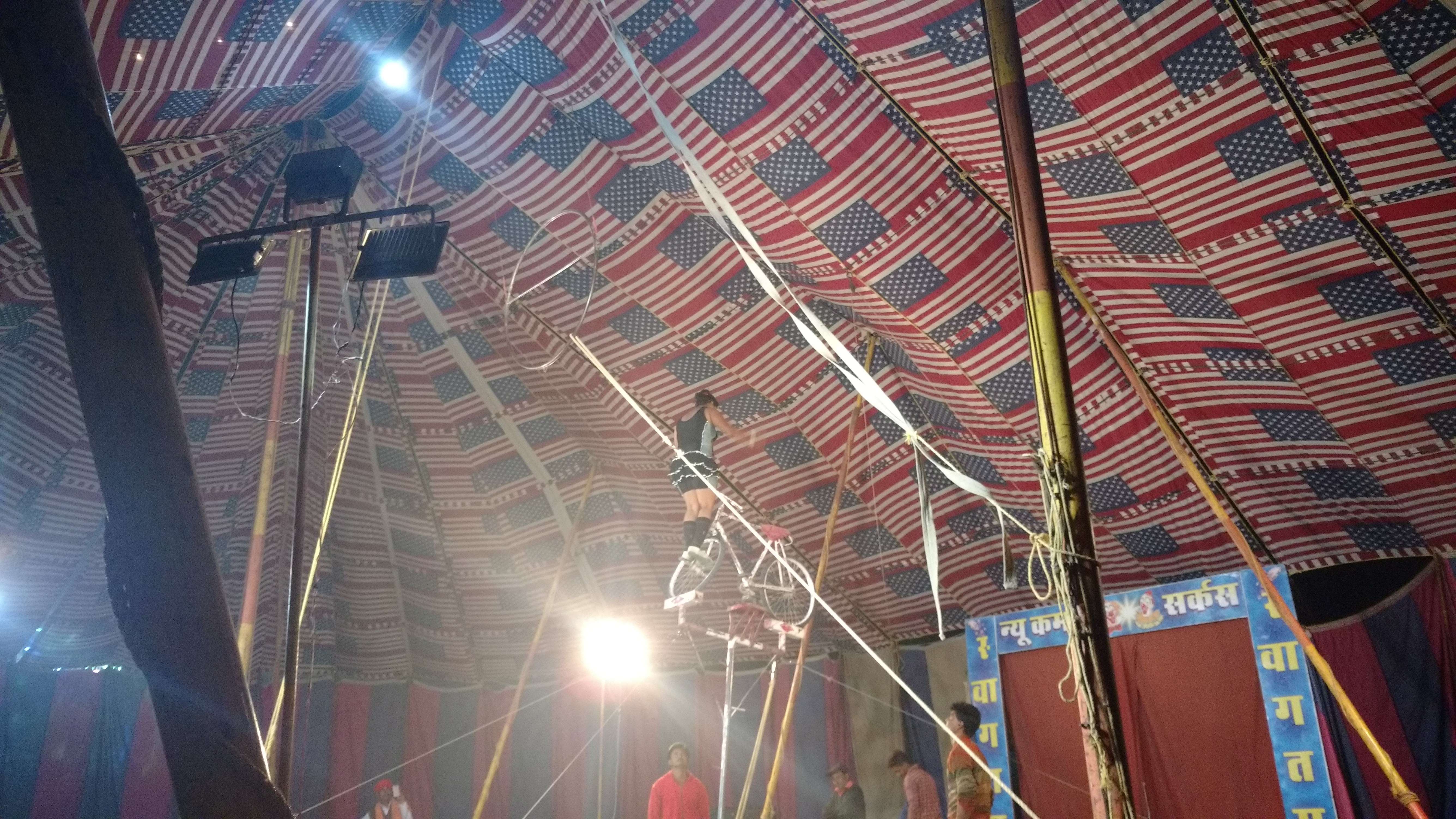
In a metaphor extremely on the nose, that threw in my face what I tried to forget, the roof of this crazy circus comprised entirely of upside down US flags. Honestly, what are the odds? The Pushkar Camel Fair circus may have been a bit dubious here and there, but it was America that was upside down.

That day in the market we had ran into a couple friends of mine from WION, Nagen and Ashish. Small world! They weren’t just work colleagues, they were with me in the early days before the station launched, and we’d go for beers together and hang outside work. They made documentaries and TV programs for WION. They both loved to laugh and had a good artistic and political bent. Great people to talk to and it was really nice to see them. It’s funny to think that if I hadn’t come all that way with Gopika, I still might not’ve been alone in the end.

Next day upon leaving, the hotel POS terminal was down. I tried to wire money to pay for our room but couldn’t online bank through my phone. Nobody had cash, the story across the country. I explained the situation to the gentleman and promised I’d pay him when I returned to Delhi, when I had my laptop and bank login info. Thankfully, after a while, he trusted me and that’s what I did.

Sunday night, we took an overnight bus back to Delhi and I returned in time for my Monday afternoon shift without missing a beat. True, Trump was slated to be president and Indians across the country were up in arms about demonetization, but the acute, crushing doom the immediate aftermath of that night was somewhat softened. Thankfully, instead of overwhelming me, it’s slowly rotted my brain every day since for the last decade.

As for demonetization, the uproar from different segments of Indian society was in stark contrast to my station’s all but official position: WION released a shameful TV commercial praising demonetization so gushingly, it would have been an embarrassing thing for the government to release, never mind a news station that was supposed to report objectively.

But then again, Zee Media had an ATM machine inside the security gates that only people with a media pass could withdraw cash from. Once when it was empty, I lined up for cash at an ATM near the office, open to the public, and the picture was very different. I waited for maybe two or three hours, and when the guy finally came to load it up with money, the pushing was real. Nobody got crushed, it wasn’t a herd, but it couldn’t have been easy for women, seniors, or infirm people.

Demonetization continued to ravage India and my privilege didn’t end. It got comically worse.

Second Escape: Himachal Pradesh–Malana, Challal, Kesol

The next week or so, I went on another trip with three good friends (Kandarp, Laden, Varnika, miss you all!) to the breathtaking Parvati Valley in Himachal Pradesh. To Kesol, Challal, and Malana, the latter a small remote village where the inhabitants believe they descend from Alexander the Great and don’t consider themselves Indians, really. They avoid touching any outsider, not even to exchange money, whether from India or anywhere else, not just with white people.

I was told their justice system works as follows: if two people have a dispute, the judge will instruct them to each poison their goat, and whoever’s dies first is in the wrong. To me, this is a smart way of avoiding litigation altogether; it’s a coin toss and your goat will die regardless, so figure it out on your own and don’t burden the courts.

Malana also just so happens to be home to world-class hash. I was told the Italian mafia imports it. For a time, Malana Cream was Amsterdam’s most expensive hash. Children rub the plants in “rubbing season” because their hands are smooth and don’t have lines or creases yet, which isn’t an excuse for child labour, I’m just reporting how it goes there.

Before departing for that trip, I went to a bank in Connaught Place to get more cash than the 2,000 rupee limit ATMs could dispense. The lineup was enormous and wasn’t moving. I had a bus to catch and after a couple hours of waiting I doubted I’d make it. People there needed cash for real problems. This was mine.

Somehow, a bank manager saw me waiting, literally the only white person in line. He asked if I had an ICICI account. I said yes, then he personally escorted me ahead of everybody and two minutes later I left the bank with all the cash I needed. I walked past people sheepishly, apology written all over my face. I didn’t ask for this treatment, but I wasn’t going to say no. Would you have, in my position? And the strange thing was, nobody was remotely upset: The same attitude that told the manager to let me skip the line also made everybody waiting there resigned to it. At the very least, they didn’t seem like they wanted to kill me.

The overnight bus drops you off at 7am for a two or three hour trek up a mountain to Malana. The Rockies and the Alps are pebbles compared to the Himalayas. On a mountain path I saw a sheppard guide maybe 200 of the wildest animals I’ve ever seen, no two coats or sets of horns alike. That trip was truly wonderful too.

Demonetization didn’t accomplish any of its stated aims, which, again, kept changing weekly. There were a few reports of people who misunderstood the news when it broke, and, fearing their life savings suddenly vanished, they killed themselves.

I don’t mean to make light of the enormous problems demonetization needlessly caused. I’m just contrasting my experience with other people’s as much to shine a light on what they went through as what I did. The real point is the discrepency. I suspect the people who pushed demonetization had an even easier time than I did. The thing about privilege is that I never had to lay my claim to it. It was just there, waiting and ready. If you need to assert it, you don’t have it.

I still think demonetization was all a sham and a cover to shock a coveted cash-reliant market at gunpoint into transitioning to a digital economy and digital banking. Whatever benefits from online banking were offset by the many drawbacks and the acute crises people suffered. There were major protests and lawsuits. But soon enough, I’d see vegetable wallahs in Delhi with signs on their carts advertising that they accepted Paytm. Indians are an incredibly resourceful, adaptable, ingenious people.

10 years later, it’s Trump’s second term and he’s threatening to invade Canada, waging economic warfare against us and traditional Western allies, and even deploying his secret police force to attack Americans in Democratic cities. While life goes on and all things do pass, eventually, you need to face reality and can’t keep running away to the desert or the mountains forever.
ICE is Executing Innocent Americans in the Streets…Now What?

25 Sunday Jan 2026

Posted by jdhalperin in Politics

≈ Leave a comment

Tags

Alex Pretti, philando castile, Renee Good, trump

It feels like we’re at a turning point now, with many MAGA sympathizers and even MAGA supporters finally realizing that Donald Trump is the straight up fascist his critics have always said he was.

I’m not going to recap the two recent ICE murders because they were captured on multiple videos from different angles which you’ve no doubt seen already. They’re straightforward snuff films, with government agents playing judge, jury and executioner for people who very, very clearly are 100% innocent.

What is there to say, exactly? Between Trump threatening the US’ historical allies, like Canada, Denmark and Greenland, and him launching lethal attacks against American citizens, not to mention the ongoing Epstein cover-up, people who have railed against things like “wokeness” have finally found their red line. Good! That should be welcomed.

In one sense, the ICE murders are a shocking escalation, but they resemble police murders we have been seeing footage of for years. In 2016, Minnesota police murdered Philando Castile, who like Alex Pretti, also had a license for the gun he had on him. During his interaction with the cops, Castile calmly made police aware of the licensed gun he had in his glovebox, and the cops murdered him right in front of his girlfriend and 4-year-old son. We know this because the whole sequence is also on video.

So what’s different about this, ten years later? Trump increased ICE’s budget exponentially last year, from the $10-billion range to about $75 billion. It’s true that Trump is recruiting new ICE members from MAGA gangs like the Proud Boys and other violently deranged anti-woke January-6 militia, but the two agents who killed Renee Good and Alex Pretti were members of ICE for 10 and 8 years, respectively.

Obama increased ICE’s funding and Biden didn’t abolish ICE when he had the chance, so why is this different? Because judging from the way Trump and his sycophants have not just excused the murders but praised them, framing this as Ameican authorities valiantly defending the heartland against terrorism rather than murderous hooligans satiating their bloodlust, this is clearly what Trump wanted to happen. He has been stoking violence for years, from famously attempting a coup and orchestrating an attack on the Capital to praising dozens of his voters for violently attacking democrats and critics.

Minnesota is in a state of siege, with even everyday, non-political residents hunkered down in terror while Trump’s militia goes door to door looking for non-white people. “Ghost cars” are a thing now, empty vehicles on the roads, left stranded there after ICE kidnapped the drivers’ and took them to god knows where. Residents with citizenship are trying to help immigants, who are too scared to leave their home to buy food, by buying the food for them, but ICE are following their movements. ICE are also circling schools, locking up students and even children as young as five, using food as bait to lure hungry people they can then kidnap. Despite what ICE says they’re doing, they’re using facial-recognition Palantir technology, partially to create a database of activists and designate them all “terrorists,” and to hunt non-white people.

Minnesota has been on Trump’s radar for years because it’s a progressive city, whose senator is Democratic rival and 2024 vice president nominee Tim Walz. There’s a community of established anti-MAGA activists, but this is radicalizing people in real time.

ICE is disappearing and murdering people. White Americans. This is important, because while absolutely nobody should be treated this way, it’s very telling that MAGA goons think they can simply kill or kidnap any American they want to. They’re not even pretending to follow their stated beliefs. Trump has given them impunity, and they very clearly want to kill and kidnap people. They don’t show remorse after killing innocent people, they seem proud and threaten to do it again. They’re not following any laws whatsoever. Nobody is safe, and it’s beyond naive, just extremely stupid, to think that MAGA will limit their reign of terror to the people they say they’re pursuing. That’s already been proven false.

People are noting how hypocritical libertarian don’t-tread-on-me types seem right now; their entire persona was based around owning guns to defend themselves from government tyranny. Many are watching their president’s paramilitary hooligans kidnap and kill people and responding, “Comply!” “Be servile!” “Do what the government tells you!”

Whatever your stance on gun ownership is, Alex Pretty, like Philando Castile, broke no laws. Renee Good clearly was unarmed. And they were murdered all the same. That they were murdered by lavishly-paid government agents who say they oppose Big Government and government tyranny would be ironic, but only if you expected the murderers to be coherent and logically consistent. Murderers usually aren’t.

“This is what people voted for!” is one excuse some Republicans are making now. It’s moot and frankly silly: there’s no rule saying that something can’t be fascist if people voted for it! I don’t need to remind you who else was voted in.

And yes, this is Project 2025. This is precisely what Trump critics said was going to happen. Most people criticizing it now criticized it right from the start. Now it’s here and it’s terrifying. Minnesota looks like they’re going to simply respond to this by going on a general strike, with nobody showing up for work until this stops. Because this can’t continue. On Friday, tens of thousands of protesters already braved freezing temperatures to denounce ICE in the streets and this will likely only grow and get worse.

MAGA’s prime directive–their stated support for rights relating to liberty, freedom, and gun ownership–has been shown to be a complete sham. It’s not that I personally think these beliefs were right or that these beliefs are wrong, it’s that all this time MAGA never believed in them. Even if it was extremely obvious that this is where things were heading, written out in Project 2025 and forecast for years by Trump’s words and actions, I hope his supporters can finally accept that he was lying and this can’t continue and they stop supporting him.

ICE needs to be abolished, yesterday, and all the people responsible for this should be held on trial. This is the moderate position.

I worry that, while typing safely on social media from my hometown of Toronto, I will encourage somebody to join the protests, and that person will be murdered by ICE. I want this violence to stop and I want people to stop it, but that’s the whole thing. If unarmed, innocent people can simply be murdered by the state in their own neighbourhoods, what are hopeful words going to achieve?

What Exactly Do You Mean By “Woke” ?

23 Thursday Feb 2023

Posted by jdhalperin in Politics

≈ Leave a comment

Tags

ford, mtg, toni morrison, trump, woke

I’m probably making a huge mistake weighing on a fraught term people use and understand differently. Well, let’s make a huge mistake then!

“Woke” was originally a term some Black people used to describe the need to be vigilant about the dangers of racism they face in our deeply racist society. It still means this, but it also means so many other things that whoever once used its original definition must know it’s been obscured. Often deliberately so.

Today, depending on the person, “woke” means quite different things. Some well-meaning centrists say it to disparage those on their left they feel lay on the anti-racism a little too thick. In their minds, Western society isn’t particularly racist, it’s just as racist as any other place because (as they’ll say begrudgingly, but with a shrug) nowhere is perfect, so anybody speaking to the need to transform society instead of reform or tinker with it is by definition going too far. The self-satisfaction this person advocating for transformative change seems to feel, the pat you can feel them giving themselves on the back, is summed up in the word “woke.” This is a confused position but a relatively innocent one that makes space for one more vile and willfully-deranged.

Basically, today’s most slobbering racists use “woke” as a euphemism for the n-word. When Marjorie Taylor Greene and that ilk say “woke,” the sentence would read the same if you replaced that word with the slur. When MTG praises Chris Stapleton’s rendition of the national anthem before the Super Bowl but says, “we could have done without the rest of the wokeness,” you can feel the word she really wants to say. She all but said it.

While some confusion around the word “woke” arises naturally, organically, and innocently, the word itself is also under attack by racists using it to obscure things and advance racism. Once they start using it in many different ways, by the time you add the new context to the old one, the old one feels outdated. It’s impossible to say “woke” now without associating the term with the far-right who co-opted it.

That’s what’s tough when talking about this word: the casual political people will roll their eyes at being lumped in with the slobbering racists, while the slobbering racists are violently irrational and act in terrible faith no matter what you say or how you act. The rabid right appeals to centrists and anybody who isn’t steadfastly opposed to them by insinuating “we might be crazy fucks, I mean look at us, but the alt-left and Antifa are crazy too, and you and I have fundamental things in common.”

The liberal who means well but doesn’t grasp how intertwined racism and our social institutions are may find common cause with the rabid racist, even if it’s to their private dismay and embarrassment. The centrist will often be rightly disgusted by MAGA’s violent demented freaks, but they can’t totally disagree with them altogether, either. The far-right doesn’t threaten the centrist’s national mythology, whereas the so-called alt-left does. Centrists enjoy being reassured this country isn’t on stolen land and doesn’t owe its foundational wealth to crimes, and the far-right are more than happy to give them this reassurance, one the left is adamantly opposed to giving them.

One pernicious trick the right does is spread these comforting illusions in the name of being critical, hard-eyed realists! They get to believe the most self-serving explanations for their comforts possible for supposedly impartial intellectual reasons. It’s kind of like children claiming they read Will to Power and Nietzsche clearly states they can have all the cookies and juice they want before bed time.

Did you really do the reading? Is this just what you want to believe, or what the text actually says?

The far-right’s “Free Market” beliefs also have more in common with liberalism/centrism than with any leftist view.

So on one hand, liberals and centrists are hugely embarrassed by the far-right, but not by their underlying beliefs. It’s mostly the illiterate clown show antics of the Ford brothers and Donald Trump. John Tory was a fiscal conservative austerity mayor whose economic and cultural views line up with the Ford and Trumps of this world, but he was polished enough to conceal this similarity, or even housebroken enough. On a basic level, Tory, unlike Trump and sometimes the Fords, could talk to the media without causing apolitical people around the world to simultaneously laugh and shudder.

The far-right can’t be denounced enough.

MAGA freaks in Florida are banning Toni Morrison novels, which is akin to a modern book burning. What could be a more hostile act of war against Western Culture than banning the best Western literature? I won’t defend Toni Morrison, the author of Sula, Beloved, Song of Solomon, Tar Baby, and other masterpieces, because that would suggest her status as a writer could be in doubt.

But that’s what so confusing about the “Culture War”…it’s a war against culture led by people using culture as a mask for racism. The word “woke” is wrapped up in this.

Years after police murdered George Floyd, “defund the police” might be a mainstream position with lots of support across society, but the mayor of New York is currently a cop. John Tory defunded everything in Toronto except police, and now that he has resigned, the new race for mayor has not one but two cops.

Don’t make the mistake of assuming that because the backlash to racism is louder than usual that it means racism is over. If this wasn’t such a deeply racist society, I’d be making fun of the do-gooders too! I think that’s why people are so eager to use the term “woke” as a casual, jocular insult: it comforts them, because they don’t want to confront the fact that racism is real and rampant. They get to be in denial while enjoying the satisfaction of feeling like they are boldly, critically looking truth eyeball to eyeball.

There’s a circular, self-perpetuating kind of logic: they don’t identify as racists (they genuinely do oppose flagrant racism!), so how can society be racist if they are joking about the racism? If racism was a real problem, they wouldn’t be joking about it, so their jokes are in a way held as proof that everything is fine.

In my experience, this conversation is way more likely to examine the intentions of the person saying “woke” than any academic or critical work about racism or society. The white person saying “woke” is more likely to focus on their innocence rather than society’s guilt. Because again, in a way, if they are innocent, so is society.

“Woke” is a very reasonable thing to be in a racist society, so it’s only used pejoratively under the assumption racism doesn’t exist or barely exists, and do-gooders say it to appear superhumanly good, by overcompensating and demanding excessive justice.

This is not what’s happening! I promise you, the harder and more carefully you look at society, the more racism you’ll find. That racism exists in Canada but not that much is the dreamy and naïve position, not the cynical and critical one!

At this point it’s much easier to just avoid saying the word altogether because either you’re preaching to the choir or people’s understandings of it are likely caught somewhere in the middle of all this. The point isn’t to go out and use “woke” correctly. I just think it’s worth reflecting on what other people really mean by it.

I don’t want to tell anyone how to live, but if you only used the word “woke” innocently enough to give liberal do-gooders a hard time, you should probably stop using it too. I’m sure the alt-right will repeat the cycle by co-opting more Black lingo. If you aren’t using the term to race-bait (and why would you be?), there are lots of other words you can use. Write around it.

One ironic, sorry thing about modern life is that it’s sometimes necessary to give this much time and thought to a single word in the context of the alt-right, people who don’t exactly have a literary love of language.

Laughter: No Joking Matter

21 Sunday Jul 2019

Posted by jdhalperin in Comedy, Politics, Statements

≈ Leave a comment

Tags

Comedy, laughter, maga, Modi, racist jokes, Sopranos, trump

Laughter is rarely thought of in all its dimensions. When considered in a positive light, laughing is associated with happiness but also childish innocence and immaturity, and this narrow focus makes laughter widely misunderstood and undervalued. Laughter is complex and works differently in everything people do, and tells us important things along the way.

Laughter is a joy and a killer. Let’s see a few ways laughter can work.

Dictators

It’s said that fascist dictators can withstand criticism, but not laughter. The existence of critics in the media benefits a dictator because: 1) it gives them an entity to demonize, and rally their base around 2) critics create the illusion that the ordinary pre-dictatorship world still prevails, a world where institutions haven’t yet been subverted and can still check the dictator’s power.  This illusion is essential, because its existence keeps naive centrists from accepting the truth—that the left is correct, and there’s a dictator in power.

So fledgling dictators do tolerate media criticism, even if they lash out against it violently, but what they cannot abide is being laughed at. Laughter undermines strongman leadership. How can you be dominating people, if they’re laughing at you? trump absolutely freaked out about being mocked in SNL. He took to social media to go on pathetic tirades, trying to appear impervious and undermine them right back. You saw his face when Obama made jokes at his expense at the correspondent’s dinner, and drew wide laughter from the audience.

Dictators need the appearance of control and domination, and laughter shatters this illusion.

Laughter in All Social Groups

This dynamic I’m talking about doesn’t only apply to dictators—laughter means something different to every group, depending on the nature of the group and where you are located on the hierarchy. You don’t laugh at power. You don’t laugh at the boss at work, or at a mob boss. Think of Joe Pesci in Goodfellas: “How am I funny?”

In the mob, where status, reputation, and hierarchy mean everything, somebody could legitimately be murdered over having their leadership undermined by a joke. It wasn’t obvious Pesci was joking. Immediately after it’s clear he was in fact only joking, everyone laughs. Then, someone from the restaurant asks Pesci to pay his tab–he’s actually undermined in front of his mafia friends, so he cracks a glass over his skull–and everyone laughs.

In the Sopranos the reverse happens. In one episode, Tony gets upset because his mafia buddies laugh too hard at his jokes, even very mediocre jokes, trying to curry favour with the boss. You must not ever laugh at the boss, but you must always laugh with him. This is how laughter works in the presence of power.

Bullies

Bullies pick on people by mocking them, and bystanders signal their approval of what the bully is doing by laughing. For the victim, the more laughter there is, the more gut-wrenching it feels. The bully isn’t the only adversary. The bully plunges the knife into the victim, and laughter is what twists it.

Why is laughter such a powerful signal? Because it’s a pre-thought, reflexive thing, making it hard to fake. If I tell somebody “that joke is funny,” it doesn’t mean as much as simply laughing. People sometimes laugh uncontrollably, a guffaw. There is no equivalent for this in speech. Laughter is immediate and visceral, so as a signal, it’s reliable.

Comedy

Humour is badly undervalued in mainstream art because people are hard-wired to be moved by suffering, not pure joy. Woody Allen said that humorists are always seated at the kid’s table, which, aside from explaining why he became a humorist, is a good phrase that gets at how drama and politics are seen as mature and intellectual and comedy is not, even if the dramatists or political pundits in question are illiterate swine and the comedians are brilliant and serious. Making people laugh is thought to be low because it’s fun, whereas politics is taken seriously because it’s miserable and hopeless.

This dynamic helps to explain why John Kennedy Toole’s comedic masterpiece A Confederacy of Dunces was rejected by publishers, which apparently drove Toole to suicide. Only after his mother dutifully circulated the manuscript with this tragic story in hand did the comedy get published, and eventually win the Pulitzer Prize. Comedy needs tragedy to be valued, because people are hard-wired for suffering.

A lot of the vivid humour in Certified Serious writers like Joyce, Kafka, Proust, Gogol, Bulgakov, and others is missed, because readers tend to think literature is serious, solemn, grave, and read in that headspace. These writers fuck with you all the time, and if you take them too seriously you may miss the jokes. Comedy is not in conflict with seriousness, and anyone who thinks otherwise is wrong and liable to miss out on comical profundity, which sucks for them.

Commercial Implications

Humour is deeply idiosyncratic. It’s impossible to pin down. While there are formulas in comedy like the 80s cop-buddy movie, those formulas revolve around the plot—the actual humour in the movie can’t be broken down into a formula and reproduced, like as some kind of Hero’s Journey formula. (The Lion King is based on Hamlet, etc.)

Comedies are one offs. They fail or succeed if they’re sufficiently inspired. Robert McKee’s famous book on script writing does something beautiful on this topic: it devotes hundreds of pages about how to write every kind of movie, but comedy is deliberately excluded.

The only rule of a comedy, McKee says, is that by definition the hero is never in danger. If a house falls on the main character, he will stand up after, dust his shoulders off and walk away. This is what distinguishes a comedy from merely an action movie or drama that contains comedy. I like McKee’s rule, because it points to the primary rule in comedy: something is either funny or it’s not. 

Comedy is impossible to scale up. They make 10 million superhero movies now because they’re all variations of the same thing…meanwhile, the brilliance of Ace Ventura: Pet Detective (the best film of the 20th century) couldn’t even be carried forward into the sequel, which had its moments but is a very pale shadow of the first.

Comedies are one-of-a-kind—they are the hardest genre to replicate.

Self-Deprecating Humour

If bosses, mob bosses and dictators can’t be laughed at, maybe people like self-deprecating humour so much because on some level it signals, “I’m no threat.” Note, the self-deprecating joke is funnier the more power the teller has—if some pathetic little shit makes fun of themselves, it’s probably just sad. If a powerful person laughs at themselves in public, it signals that they won’t wield their power against you.

Dictators are never self-deprecating. A boss might make a self-deprecating joke, but not when you’ve been fucking up. The self-deprecating joke is a reward, that signals everything at work is currently fine.

Jokes among Friends

Laughter is actually the sign and the substance of friendship. Laughing is the best thing friends can do among friends. Laughing at the same jokes as somebody shows not only that you’re on the same mental wavelength, but that you belong in the same social group.

When good buddies talk shit to each other, it’s a way of signalling, I only fuck with you because we’re buds. Ribbing requires a friendship that rest on a foundation of real trust and love.

You signal that you’re on good enough terms with somebody to taunt them by actually taunting them, and they signal that your estimation is correct by laughing at it and making fun of you back. In a sense, this form of laughter is one way to measure and test just how good friends you are with somebody. This style of humour isn’t for everybody, no one style is. We all have our own temperament when it comes to what we find funny, but this explains one common form of humour. There are infinite forms of laughter.

Us Versus Them–Jokes and Social Power

It’s called an “inside joke” because the people laughing are the “in” group. That’s literally the word used—“you’re in on the joke,” they’ll say. There is an us-versus-them dynamic in humour, and what side you’re on is signalled by laughter. It’s not just chuckles, it’s about signalling group membership.

That must be why in offices or work contexts, women report having feelings spanning from eye-rolls to real discomfort or worse when guys make lewd sexual jokes. It’s clear who the in group is, and who is out. It’s not just a joke, it’s claiming territory—this is a male space. Now, of course there are women who like that kind of joke, but they’re called “one of the guys.” When men denounce that kind of joke, they’re called “a bitch” or whatever. Toxic masculinity is equating the unwillingness to abuse power for a laugh with weakness, which is expressed as femininity.

I joke around with people all the time, and when I lived in India I noticed a pattern: people laughed a lot. Too much, sometimes. Now I love to fuck with my boys like Kandarp and that miserable degenerate Parakram, and I got them laughing because we’re buds. But when I joked and bantered with the security guards in my sector or the “office boys,” they were smiling ear to ear, even though…they didn’t speak English. What was exactly happening?

I think they saw that a white guy was taking the time to talk and fuck around with them, and they were happy because they felt included. People with power often exert it in less friendly ways. So when a person with power cracks jokes with a person with less power, they might just laugh out of relief, or maybe they partake in that power because for a moment it’s shared with them.

Racist Jokes

When jokes punch down, they stop being funny. Or, should. Privileged people sometimes express disdain for marginalized people with jocular contempt—hate expressed as a joke, for chuckles.

Frankly, I used to do this. I don’t anymore because only hateful or oblivious people enjoy this kind of humour. I was oblivious. I come from a very privileged background (white, straight, male, from Forest Hill—the works!), and while I never wanted to physically or emotionally hurt anybody, I found squeaky-clean fun to be boring.

Punching down was everywhere in 90s culture, and I did it too. We all did. Gay jokes (SNL, my beloved Ace Ventura is wildly transphobic at the end), black jokes (CB4, Don’t Be a Menace to South Central While Drinking Your Juice in the Hood, and too many movies starring white people to name), homeless jokes (Dirty Work and Happy Gilmore are full of them) or whatever seemed to me like innocent transgressions. It was a form of bullshitting, and because I was surrounded by people unaffected by these jokes, it felt innocent. I never saw what harm there was, and was allowed to believe there was none—I was oblivious.

If chirping a friend is actually a way to reinforce that we can only talk shit to each other because there’s love there, then perhaps on some level what offensive shock humour really says to the recipient is, “I only make this joke with you because you know I don’t believe that shit.” You don’t say this out loud, you just tell the joke. They answer that sentence by laughing.

Is there a distinction worth making between the racist racist-joke teller and the person who just likes shock-humour? These people are obviously not the same, but, in practice it’s a distinction without a difference: in either case, stop making these jokes! To even explore this distinction is to prioritize the comfort of the joke teller over the target, or the bystander who hears these jokes and is understandably uncomfortable.

Racist jokes aren’t necessarily concrete proof that a person harbours ill will towards people of that race, but even writing this makes me feel very uncomfortable, because people say “it’s a joke” to mean that it’s only a joke, when many people aren’t only joking. I don’t want to give cover to people who use humour to shield their racism.

Ask yourself, when you hear someone make a racist joke, do you identify with the teller, or the target? Whose defence do you naturally gravitate to? People who identify with power (privileged people normally do) make explanations for why the teller of racist jokes is not necessatily a bigot, and if they consider how it makes someone else feel, it’s considered second.

I’m not comfortable with punching-down humour now, and I’m not defending myself or anyone who make these jokes. I’m just explaining myself, then and now.

Humour as Means to Feel Power

I suppose privileged people make fun of marginalized people because subconsciously it makes them feel their power. They subconsciously revel in the fact that they aren’t the ones at the bottom of the hierarchy.

This would also explain why people from marginalized communities mock those who are even more marginalized. It makes them feel powerful. You can’t laugh at people with power over you, but when you have more power than someone, kicking down is easy—they have less power, they can’t respond.

This explains, for example, why there was homophobia and misogyny in hip hop even as so much of it also rightfully denounced anti-black racism. Many of these rappers matured, and rightly apologized. Actually, America’s white Christian Family-Values fundamentalists who went on a moral crusade against Rap in the 90s turned out to be—surprise surprise—scumbag racists. Today they’re MAGA, and Nas is writing a kids’s book.

Again, some people enjoy punching down not just for this subconscious reassurance that they have power, which is still a very bad reason to do it, but because they do hate the people below them! Racists enjoy laughter too, and when they express racism as a joke, it is still a) a joke b) definitely racist. The alt-right’s irony-drenched trolling is tired and trite as fuck, and they’re definitely not only joking.

How do you know if the person making the racist joke is a genuine racist or just oblivious in their privilege? After you tell someone to stop making racist jokes, watch how they respond. Do they genuinely get introspective and apologize, not because they were caught committing a faux pas in public but because in their bones they feel horror at having upset someone? Or do they get defensive, stick up for their rights to Free Speech, insist you are humourless, that they didn’t intend on harm and therefore harm is impossible and if you’re feeling it it’s your fault?

A wave of fascism has already descended on places close to me. Muslims are being lynched under Modi, MAGA people have murdered leftists and journalists in broad daylight and trump seems happy about the deaths. Conservative politicians in Canada are demonizing minorities, and this will escalate in the lead up to the federal election in October. Canada has produced faith goldy, gavin mciness, ezra levant, and other alt right shitlords.

Let’s make jokes to share love with friends and strangers, and to deflate fascists and the corporate gutter trash running Ontario. Let’s not revel blindly in privilege by making jokes that reinforce our power over people and undermine their sense of self, but just to lift people up and brighten their days and for no other reason.

Am I in the echo chamber, or are you?

06 Saturday Oct 2018

Posted by jdhalperin in Statements

≈ Leave a comment

Tags

doug ford, echo chamber, trump

This will sound sarcastic, but honestly I never got accused of being influenced by an “echo chamber” until after I moved to India to work as a journalist, and after making a deliberate effort to read non-white and non-male writers.

To review, an “echo chamber” is the phenomenon where a person only exposes themselves to views they already have, and the more online they are the more they deeply entrench their own beliefs/biases.

Whatever people think of my views, objectively speaking, I’m not a product of an echo chamber. The accusation is laughable.

I read Conservative media. I used to be conservative. For years I kept tabs on the heart of Conservative Canada by reading the FB updates of my cousin’s husband, a former speech writer for Harper who is currently strategic director of communications for Doug Ford.

This guy has defended Trump, Breitbart, rejoiced when NFL planned to shut out Colin Kaepernick, Betsy Devos, and more. He once accused me of being in a social media echo chamber, and has since defriended me from FB. I cannot help listen to Ford without being deeply aware that he hired a man with these views to communicate for him.

I read the National Post for years–I know the work of Rex Murphy, Blatchford, the Kays, Conrad Black, Robyn Urback, Lorne Gunter, and the rest. I used to see the Sun’s Sue Ann Levy at city hall when I wrote about that circus, and ran into Tarek Fatah in an elevator in Film City. I read (hate-read) Wente at the Globe.

I can’t read Ezra Levant on Twitter because he blocked me, but I’ve seen this former National Post editor’s Rebel segments and read enough of his writing, from his early days at Maclean’s. I read Barbara Amiel, Conrad Black’s wife and the former wife of George Jonas, a small-C conservative voice I read fondly in the National Post for years.

I worked for Zee Media, basically India’s Fox News. Sudhir Chaudhary was my editor in chief (I was on Web and he was TV, and mostly does Hindi news, but still, I sat in story meetings and am acquainted with his thought). I have read/watched enough Jordan Petersen and have talked with him before.

I had to read US Conservative media in the summer of 2016 when researching for a TV show I was writing about Trump. I don’t read it all the time now because it’s exhausting and time-consuming, but I know the work of Ben Shapiro, conspiracy theorist Alex Jones, Bari Weiss at the NYT, Sam Harris. I used to read Krauthammer, and still read former Bush speech writer David Frum.

I was in the belly of the beast of India’s Conservative news machine. When demonetization was announced, we got an order not to write anything critical about it.

The BJP announced Demonetization on literally on the night of the US election, and like everyone I was consumed by Trump news. While I had reservations about demonetization right away I thought my fellow Indians on the desk were better suited to pronounce on it than me. Maybe this is me rationalizing a moment where I should have quit on principle, out of disgust for the flagrant conflict of interest–the owner of my station is an independent member from Haryana of the BJP, the ruling national party.

But the point is, I’ve seen first-hand how money influences/determines coverage of economic policies. Even without telling this story, my station ran a disgraceful commercial that promoted not WION, but the government policy! Imagine CBC running a commercial promoting Trudeau–that’s what my station did.

When people claim that Postmedia is affiliated with the conservative party here in Canada, it means they informally do what in India is done formally. It’s not an accident that Tarek Fatah writes for the Sun here and appears on Zee TV.

What become undeniably clear to me during my time in journalism is the extent to which economic reports are deliberately and shockingly cooked, both by ostensibly neutral economic institutions like the IMF and by journalists covering the industry.

I had a good talk with John Perkins, the author of Confessions of an Economic Hitman, who for 10 years negotiated in backrooms with the leaders of Central American countries, unofficially but decidedly on behalf of American business interests. Perkins was recruited by the NSA, and his book outlines the basic process:

  1. Corruption: Offer leaders money and perks if they give major contracts to American businesses
  2. Propaganda: Tell the leaders, we will cook the books/stats so that your citizens believe (wrongly) you will benefit the country.
  3. Threaten: Cooperate, otherwise, see examples where national leaders were removed by coup, to be replaced by cooperative leaders.
  4. Threaten more: Cooperate, because if you don’t play ball and a coup doesn’t work, the US will simply assassinate you or take power by force

People in Toronto seem to have no awareness that Free Market ideology is an ideology. It’s assumed that the current stage of consumerism/capitalism arises here naturally, like lakes do, that the Free Market’s global success is do to its innately superior properties, and not to external pressure applied by wealthy people.

They think the Market is a non-human entity, an omniscient force that somehow distributes the right money and jobs to the right people based on a complex but merit-based algorithm. That it somehow weighs people’s personality, skills, responsibilities, and other criteria and allots to them the salary they deserve.

I believed something like this. But it’s total horseshit. Of course the control of money has human fingerprints all over it. It’s incredibly naive to believe that ultra rich people simply entrust their fortunes to fate.

Really, they acquire and guard it ferociously–there are entire industries that exist so that people with immense wealth can use either legal, quasi-legal or illegal means to shelter their fortunes from tax authorities in offshore accounts. Money buys politicians or media influence. People know this–every pseudo-sophisticated political observation is based on the wonderful quip “An honest politician is one who when he’s bought, stays bought.” But I suspect most people downplay how much this of a role this plays in politics.

I had a fascinating conversation with a longtime Canadian journalist who mentored me, who said that the Globe and Mail is basically a money-losing entity that only exists so the owners can frame the national discussion. Obviously they’d rather make money than lose it, but even if it bleeds money, it’s a very worthwhile investment, and anyway it’s only a small part of the owner’s portfolio. The Globe’s target audience, according to internal documents from the Globe, is people who make over $100,000 annually.

The Sun and National Post–2 of 4 of Canada’s major daily newspapers–are the Conservative Party’s low brow and high brow blogs, respectively. But even the Globe is not there to expose white collar crime or anything that seriously undermines how the Free Market.

These newspapers work on the assumption that the grotesque and ever-growing income inequality is by definition justified because the market dictates it, and to interfere with the market is akin to sticking a wrench in Nature.

While social conservatism is often berated in public and in media, when it comes to money journalism in Canada and really everywhere has a right wing bias. Look at a newspaper: there are entire sections devoted to Cars/Driving, Travel, Movies, Sports, and now Cannabis–these papers will neglect some life-and-death issues (jailing, housing crises, police brutality) while reporting on subjects that might be interesting but are only only important because money is concentrated there.

These are complicated topics, oversimplified here for my purposes. It’s impossible to talk fully about the Market and how money works without talking about race and gender, and that’s also beyond the scope of this little article.

I have an acute sense that my FB friends despise my political posts (I do too! I swear, politics is miserable and depressing). But my views are in the minority in the broader community, too: Toronto elected Tory and Ontario elected Doug Fucking Ford.

So, if my views are unpopular, doesn’t that suggest my views were arrived at despite the echo chamber?

Isn’t it possible that the people and media institutions with long histories of promoting the status quo are the creators of the echo chamber?

There’s a concept called “Vertical Integration” coined by an old sociology professor of mine. The idea is this: If a theory is incompatible with other types of accepted explanations of the world, it is likely bogus–it’s not enough that the Bible says that the Bible is true, because it’s contradicted by so many interdependent branches of science. This is begging the question 101. The more a theory tallies with different kinds of thought, the more buttressed it is and the more likely it is to be true.

The Bible is a self-contained echo chamber. I put it that conservative politics is drifting further and further into the same kind of realm.

Trump calls any credible media report that doesn’t flatter him “Fake News”, and a hostile country flooded social media with fake accounts (“bots”) that pathologically promote Trump, who has created an entirely alternate reality for his followers to believe in because his views are so incompatible with the actual world: Isn’t it possible that *this* is the echo chamber?

The left is frequently entreated to watch 4 hours of Jordan Petersen videos to see that his latest misogynist quote was deliberately misquoted to smear him. I’d like to ask those on the right to do a type of mental back flip, a very hard thing to do and no small ask, but really, ask yourself: “am I the one in the echo chamber?”

PS: I am happy to discuss any of these broad topics with more nuanced with anybody, privately or in the comments or whatever. I do think it’s important to be approachable: Sometimes my writing comes off snarky because the truth is I can be a little shit, but I do get bored talking to basic liberals and find these and other conversations very fascinating.

On Trudeau in India

24 Saturday Feb 2018

Posted by jdhalperin in Uncategorized

≈ Leave a comment

Tags

Modi, Trudeau in India, trump, Trump Jr

Indian’s love for Trudeau was palpable to me when I was there. I’d ride on the Delhi metro, people asked where I was from, I’d say Canada, and they started praising him, eyes lit up. Colleagues went pretty gaga too. Not everyone, but many.  
That’s worn off, it seems. Indian media got a whiff of how thick he lays on overt shows of multiculturalism. Corny and embarrassing, he made an exhibit of himself. You can wear Indian garb without drawing too much attention to yourself. Trudeau wore juutis to meet SRK.  It’s hardly apocalypse, though. Just clothing. I’d rather have a leader who tries too hard to appear multicultural than one mostly silent in the face of Muslims being lynched, or another who is soft-on-Nazis.

20160222_232855

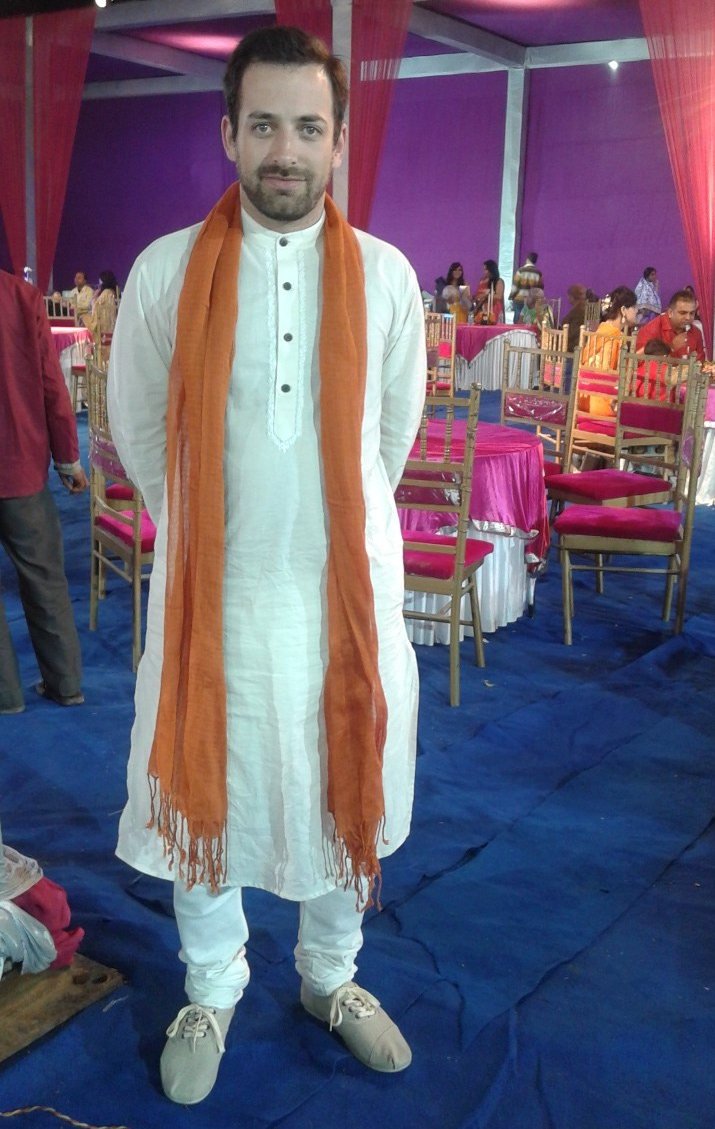
The author at a wedding in Delhi, February 2016.

Oddly I’ve just been reading Khushwant Singh’s old essays on the roots of communal violence in Punjab. The Atwal episode is indeed strange and unjustifiable– a mistake was made. There are questions not just about how Atwal got invited, but about how he was suddenly allowed to enter India, when Jagmeet Singh was denied a visa. More will be learned about this. Right wing Indians suspect Trudeau’s government covertly supports Khalistan independence. I doubt Justin knows what that is. Likewise, it’s amusing how the attack dogs in conservative media here are suddenly experts on Khalistan.
 
While Trudeau’s India trip went stunningly bad, it’s not like the stakes were very high. What would real ties with Modi–the Hindu nationalist killer of gujarat–look like? What was to be gained here was relatively low in dollar value, high in cultural exchange between nations with a strong, historical fondness for each other…ie a great trip for Trudeau would have brought about results mostly symbolic anyway. India’s economy has lost its sheen post-demonetization/gst and Nirav Modi has the spotlight back on ol’ fashion crony corruption. Trudeau is in Delhi now with Hayley Wickenheiser and Ladakhi hockey players on an exchange–My loves, combined! Canadian Ice hockey and not just India but Ladakh coming together, it’s a warm thought.

IMG_20170812_142012_HDR

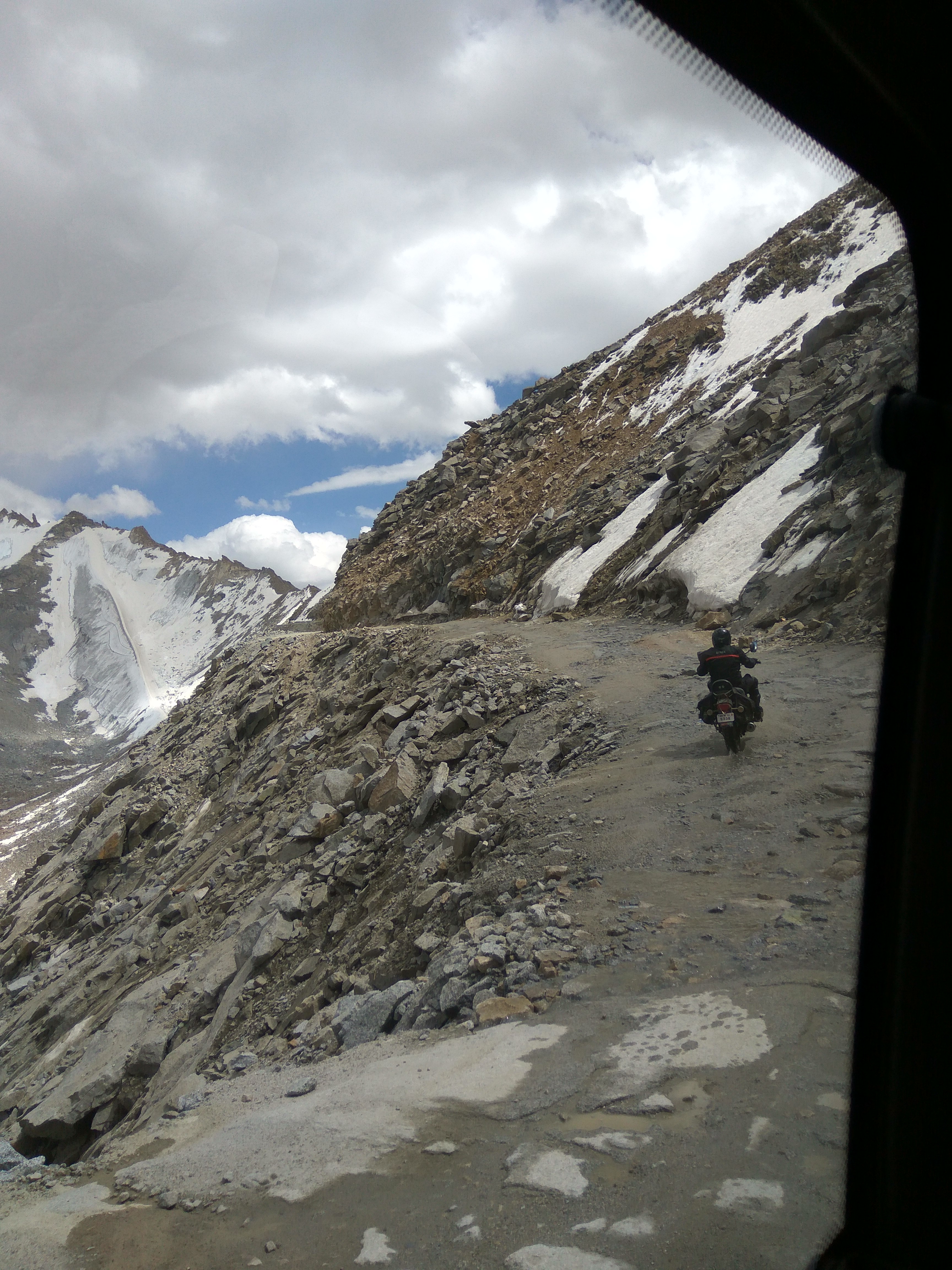
Ladakh!! August 2017.

Modi has less to gain than Canadians may think by posing with Trudeau. They each represent countries that get along well, apart from that they have nothing in common. Some from India’s right celebrate trump’s birthday by eating cake in Jantar Mantar. Trudeau may be more useful as a person to be distanced from. Not even his worst detractor here will call Trudeau a strong-man leader. Modi’s coolness wasn’t an accident, but the Canada-India cultural connection is too strong for him to sideline Trudeau altogether. They hugged in the end.
 
But Modi ran to the airport to hug trump the instant he landed because he feels a kinship with a leader who also leads via personality-cult and fascist tendencies. And trump has new condos to sell in India, so he pretends to care about India. Indeed, trump Jr is in India right now talking with billionaires, to try to get their money.  Trump backs India enough to hug Modi and do the photo op because it suits his personal economic interests, but will deny H1B visas to Indians seeking to come to America because ultimately they’re not white.
 
That’s my view of things, from the vantage of TO. By the way, I love and miss you India!! Reminder: a country is much, much more than its leader. Indeed, national leaders almost never reflect their country’s actual inhabitants.

IMG_20170701_221146

Canada at 150 in New Delhi at the Hyatt Regency Hotel.

Twitter

Follow @JDhalperin
Tweet

Enter your email address to follow this blog and receive notifications of new posts by email.

Join 1,020 other subscribers

Essential sites

  • Grateful Dead Chords/Tabs
  • Neil Young Chords/Tabs

My Writing

  • Huffington Post
  • Maclean's
  • Music Writing
  • The Star
  • the Walrus Laughs
  • Toronto Review of Books
  • Toronto Standard
  • World Is One News

Topics

  • Comedy (18)
  • Literature (13)
  • Politics (26)
  • Sports (16)
  • Statements (35)
  • Uncategorized (42)

Blog at WordPress.com.

Privacy & Cookies: This site uses cookies. By continuing to use this website, you agree to their use.
To find out more, including how to control cookies, see here: Cookie Policy
  • Subscribe Subscribed
    • Jeff Halperin
    • Join 50 other subscribers
    • Already have a WordPress.com account? Log in now.
    • Jeff Halperin
    • Subscribe Subscribed
    • Sign up
    • Log in
    • Report this content
    • View site in Reader
    • Manage subscriptions
    • Collapse this bar
 

Loading Comments...